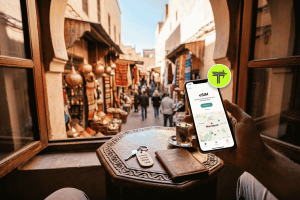
Navigating the world of international connectivity can feel complex, with options ranging from local SIM cards to pocket Wi-Fi devices and your home carrier’s expensive add-ons. The key to staying connected without breaking the bank is finding the right international mobile plan before you depart.
This guide simplifies the process. We will walk you through the essential factors to consider when choosing a plan that fits your travel style, data needs, and budget. From understanding data allowances to exploring the convenience of modern eSIM technology, these ten tips will empower you to make an informed decision. Say goodbye to connectivity anxiety and hello to seamless, affordable communication wherever your adventures take you. Let’s dive into how you can find the perfect international mobile plan for your next trip.
Decoding Your Connectivity Needs: The First Step to a Great International Mobile Plan
Before you can choose the right international mobile plan, you need to understand what you’re actually looking for. The best plan for a backpacker on a multi-country tour of Southeast Asia will be vastly different from what a business traveler needs for a week-long conference in London. Start by answering a few key questions about your travel habits and technology use.
First, consider the length and nature of your trip. Are you going away for a weekend, a few weeks, or several months? A short trip might be manageable with a simple, limited data plan. A longer journey, especially one for a digital nomad, will require a more robust and flexible solution. Similarly, think about your destination(s). Are you visiting a single country or hopping between several? A plan that covers multiple countries or an entire region will save you the hassle of swapping SIM cards every time you cross a border.
Next, honestly assess your data consumption. Are you a light user who mainly needs maps and messaging apps? Or are you a heavy user who streams videos, uploads high-resolution photos, and frequently uses video calls? Track your typical data usage at home for a few days to get a baseline. Remember that travel often increases data needs—think navigating unfamiliar streets with Google Maps, translating menus, and sharing your experiences on social media. Overestimating your needs is always safer than underestimating and running out of data mid-trip. Finally, consider your device. Is your phone unlocked? Does it support eSIM technology? Answering these fundamental questions will create a clear profile of your needs, making it much easier to filter through the options and find an international mobile plan that is perfectly tailored to you.

Our Top 10 Tips for Choosing Your International Mobile Plan
With a clear understanding of your needs, you’re ready to explore the market. The options can be overwhelming, but focusing on the right criteria will lead you to the best choice. Here are ten practical tips to guide you in selecting the ideal international mobile plan for your travels.
- Check Your Phone’s Compatibility: Before anything else, ensure your smartphone is “unlocked.” This means it isn’t tied to a single carrier and can accept SIM cards or eSIMs from other providers. Most phones purchased outright are unlocked, but if you’re on a contract, you may need to contact your carrier to unlock it. Also, check if your phone is eSIM-compatible. Most newer models from Apple, Google, and Samsung are, and this technology offers incredible flexibility for travelers.
- Analyze Coverage by Destination: A great plan is useless if it doesn’t work where you’re going. Verify that the plan offers strong, reliable coverage in your specific destination(s). Don’t just look for country-level coverage; check regional maps if possible, especially if you’re venturing into rural areas.
- Calculate Your True Data Needs: As mentioned earlier, estimate how much data you’ll use. A good rule of thumb for a moderate user is around 1GB per day. This covers navigation, social media, light browsing, and messaging. If you plan to stream HD video or work remotely, you’ll need significantly more.
- Compare Costs Beyond the Sticker Price: Don’t just look at the upfront cost. Scrutinize the details. What is the price per gigabyte? Are there hidden activation fees or taxes? What are the rates for making calls or sending texts if they aren’t included? Sometimes a slightly more expensive plan offers better overall value.
- Look for Regional and Global Plans: If you’re visiting multiple countries, a regional or global plan is your best friend. A single eSIM from a provider like Terminal eSIM can cover an entire continent, like Europe or Asia, saving you from buying a new plan at every border.
- Understand Topping-Up Procedures: What happens if you run out of data? Check how easy it is to add more. The best providers allow you to top-up instantly through an app, avoiding the need to find a physical store. This is a critical convenience factor.
- Read the Fine Print on Throttling: Many “unlimited” plans aren’t truly unlimited. They often come with a high-speed data cap, after which your connection speed is drastically reduced (throttled). Find out what this cap is and whether the slowed-down speed is still usable for your basic needs.
- Evaluate the Validity Period: Pay close attention to how long the plan is valid. A 30-day plan is great for a month-long trip, but if you only need it for a week, you might be overpaying. Choose a validity period that aligns closely with your trip duration.
- Prioritize Ease of Setup and Use: Technology should make life easier, not harder. eSIMs are a game-changer here. They can be installed in minutes by scanning a QR code, eliminating the need to find a physical store and fumble with tiny SIM trays.
- Check Customer Support Options: When you’re in a foreign country and your data isn’t working, you need help fast. See what kind of customer support the provider offers. Is it 24/7? Is it available through chat, email, or phone? Good support can be a lifesaver.
Comparing Your Options: Local SIM vs. Roaming vs. eSIM
Travelers have three main options for staying connected abroad. Each has its pros and cons, and the best choice depends on your priorities—convenience, cost, or coverage. This table breaks down the key differences to help you decide.
| Feature | Local Physical SIM | Home Carrier Roaming | eSIM (e.g., Terminal eSIM) |
| Cost | Generally low to moderate. Often the cheapest per GB. | Typically very expensive. Daily passes or monthly add-ons can be costly. | Very competitive. Often cheaper than roaming with greater flexibility. |
| Convenience | Low. Requires finding a store, dealing with language barriers, and physical installation. | High. Works automatically upon arrival. No setup needed. | Very High. Instant digital delivery and installation via QR code. |
| Flexibility | Low. Tied to one country and one carrier. Requires a new SIM for each new country. | Moderate. Often covers many countries, but plans can be rigid. | High. Easy to switch between plans and providers. Regional and global plans available. |
| Setup Process | Can be time-consuming. Involves finding a vendor, registration, and swapping cards. | None. Activates automatically. | Fast and simple. Scan a QR code from an email to install in minutes. |
| Phone Number | You get a new, local phone number. You lose access to your primary number. | You keep your existing phone number for calls and texts. | Data-only plans are common. You can use apps like WhatsApp with your original number. |
Summary of Insights:
For the budget-conscious traveler staying in one country for an extended period, a local SIM offers great value but comes with significant hassle. For the traveler who prioritizes absolute convenience and is willing to pay a premium, home carrier roaming is the simplest, albeit most expensive, option.
However, for the modern traveler who values a balance of cost, convenience, and flexibility, eSIMs represent the clear winner. An international mobile plan from an eSIM provider like Terminal eSIM combines the affordability of local rates with the convenience of instant activation, all without needing to swap physical cards. It’s the ideal solution for multi-country trips, short stays, and anyone who wants to hit the ground running as soon as they land.
Common Traveler Questions and Key Trends
The world of international connectivity is always evolving. New technologies emerge, and traveler expectations shift. Understanding current trends and having answers to common questions can help you navigate your choices with confidence. A major trend is the rapid adoption of eSIMs, which are becoming the standard for frequent travelers and tech-savvy tourists due to their unmatched convenience. Another trend is the demand for regional plans that cover multiple destinations under a single package, catering to the rise of multi-stop itineraries.
Here are some frequently asked questions we hear from travelers:
- What is an eSIM and how does it work?
An eSIM (embedded Subscriber Identity Module) is a digital SIM card that is built into your smartphone. Instead of inserting a physical chip, you download a data plan profile by scanning a QR code or through an app. This allows you to activate a new cellular plan without needing a physical SIM card. You can even store multiple eSIM profiles on your phone and switch between them, making it perfect for international travel. - Can I keep my home phone number while using an international eSIM?
Yes, absolutely. One of the biggest advantages of dual-SIM phones (which most eSIM-compatible phones are) is the ability to use an eSIM for affordable international data while keeping your primary physical SIM active for calls and texts on your regular number. You can configure your phone’s settings to use the eSIM for all mobile data, avoiding roaming charges from your home carrier, while still being able to receive calls and messages on your primary line. - What happens if I use up all the data on my international mobile plan?
This depends on your provider. With a reputable eSIM provider, the process is simple. You’ll typically receive a notification that your data is running low. From there, you can easily purchase a top-up or a new plan directly from the provider’s website or app. The new data package is activated almost instantly, ensuring you’re never left disconnected. This is far more convenient than having to find a physical store to recharge a local SIM card. - Is it safe to use public Wi-Fi instead of buying a plan?
While free public Wi-Fi at cafes, hotels, and airports can be useful for light browsing, it is not a reliable or secure solution. These networks are often slow, unstable, and unencrypted, making them prime targets for hackers looking to steal personal information like passwords and credit card details. Using your own secure international mobile plan gives you a reliable connection whenever you need it and protects your private data from potential threats.
Your Journey to Seamless Connectivity
Choosing the right international mobile plan doesn’t have to be a complicated ordeal. By taking a moment to assess your travel style and data needs, you can easily filter through the noise and find a solution that works for you. Remember to verify your phone’s compatibility, especially its support for eSIM technology, as this opens up a world of convenient and affordable options. Always compare plans based on their true value—considering coverage, data-per-dollar, and ease of use, not just the initial price tag.
The modern traveler has more power than ever before. Gone are the days of being locked into your home carrier’s expensive roaming packages or wasting precious vacation time hunting for a local SIM card shop. With regional plans, instant top-ups, and the revolutionary simplicity of eSIMs, staying connected is easier and more affordable than it has ever been. By applying these ten tips, you can confidently select an international mobile plan that keeps you online, on budget, and focused on what truly matters: enjoying your trip.
Ready to Travel Smarter?
Why let the fear of roaming charges dictate how you use your phone abroad? Imagine landing in a new country and being online in minutes, ready to call a ride, check your hotel reservation, or let family know you’ve arrived safely. That’s the freedom and peace of mind that a modern international mobile plan provides. For digital nomads, frequent flyers, and once-a-year vacationers alike, the benefits of a prepared connectivity strategy are immense.
Terminal eSIM is designed for the modern traveler. We offer affordable, reliable data plans for hundreds of destinations around the globe. With our easy-to-use eSIMs, you can get connected instantly without the hassle of physical SIM cards. Forget bill shock and unreliable Wi-Fi. Choose a plan that fits your trip, scan the QR code, and enjoy seamless connectivity from the moment you land.
Explore our flexible data plans and start your next adventure with confidence. Visit Terminal eSIM today to find the perfect plan for your destination.