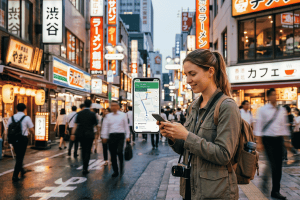
Korea’s advanced digital infrastructure makes it perfect for eSIM technology. With 5G networks covering major cities and reliable 4G throughout the country, you can enjoy lightning-fast internet speeds whether you’re exploring Seoul’s bustling streets or conducting virtual meetings from Busan.
This comprehensive guide will walk you through everything you need to know about choosing the right eSIM for your Korean adventure. We’ll compare pricing, explain activation processes, and show you why making the smart choice upfront saves both time and money.
Benefits of Using an eSIM in Korea
Korea stands as one of the world’s most connected countries, boasting some of the fastest mobile internet speeds globally. Using an eSIM here amplifies these advantages while eliminating common travel connectivity headaches.
Instant Activation and Setup
Traditional SIM cards require physical swapping and potential language barriers when purchasing from local stores. eSIM technology changes this completely. You can purchase and activate your Korean data plan before even boarding your flight.
The process takes minutes, not hours. Download your eSIM profile, scan a QR code, and you’re connected the moment you land at Incheon or Gimpo airports. No more searching for SIM card vendors or worrying about store hours.
Superior Network Coverage
Korea’s mobile infrastructure ranks among the world’s best. Major carriers like SK Telecom, KT, and LG U+ provide extensive coverage across urban and rural areas. eSIM providers partner with these premium networks, ensuring you get the same quality connection as local users.
5G coverage extends throughout Seoul, Busan, Daegu, and other major cities. Even in mountainous regions or smaller towns, 4G connectivity remains robust and reliable.
Cost-Effective Communication
International roaming charges can quickly spiral out of control. A single day of data usage might cost more than an entire month’s domestic plan. eSIMs offer transparent, upfront pricing that’s typically 60-80% cheaper than traditional roaming.
You’ll also avoid unexpected charges from automatic app updates or background data usage. Most eSIM plans provide clear data allowances with no hidden fees or surprise bills upon returning home.
Device Compatibility and Convenience
Modern smartphones support eSIM technology, including recent iPhone models, Google Pixels, and Samsung Galaxy devices. You can store multiple eSIM profiles simultaneously, switching between your home carrier and Korean data plan as needed.
This dual-SIM functionality means keeping your original number active for important calls while using local data rates. Business travelers particularly appreciate maintaining accessibility on their primary line while enjoying affordable data access.

Pricing Comparisons
Understanding eSIM pricing helps you make informed decisions based on your specific needs and duration of stay. Korean eSIM plans vary significantly in cost, data allowances, and validity periods.
Short-Term Travel Plans
For trips lasting 1-7 days, compact data plans offer the best value. These typically range from $8-15 and provide 1-3GB of high-speed data. Perfect for casual browsing, social media updates, and navigation apps.
Tourist-focused plans often include unlimited data with fair usage policies. After consuming the high-speed allocation, speeds reduce to 128kbps—sufficient for messaging but slower for video streaming.
Extended Stay Options
Longer visits require more comprehensive coverage. Plans spanning 15-30 days typically cost $20-40 and include 5-20GB of data. These suit digital nomads, extended business trips, or comprehensive sightseeing tours.
Some providers offer unlimited plans with daily speed resets. These cost slightly more but eliminate data anxiety during extended stays.
Business and Professional Plans
Corporate users need reliable, high-capacity connections. Premium plans offering 50GB+ monthly allowances cost $50-80 but include priority network access and enhanced customer support.
These plans often feature additional benefits like international calling credits or access to business lounges at major airports.
| Plan Duration | Data Allowance | Typical Price Range | Best For |
| 1-7 days | 1-3GB | $8-15 | Short trips, casual use |
| 7-15 days | 3-10GB | $15-25 | Week-long vacations |
| 15-30 days | 10-20GB | $25-40 | Extended travel, business |
| 30+ days | 20GB-Unlimited | $40-80 | Long stays, heavy users |
Comparing Against Traditional Options
Physical SIM cards from Korean carriers typically require in-person registration and passport verification. While potentially cheaper for very long stays, the convenience factor heavily favors eSIM solutions.
Airport SIM card kiosks charge premium prices—often 2-3x more than advance eSIM purchases. Factor in potential language barriers and limited operating hours, and eSIMs become even more attractive.
Setup and Activation Process
eSIM activation seems complex but follows straightforward steps once you understand the process. Most users complete setup within 10 minutes, even without technical expertise.
Pre-Departure Preparation
Start by verifying your device supports eSIM functionality. Check your phone’s settings menu for “Mobile Data” or “Cellular” options that mention eSIM or dual SIM capabilities.
Purchase your Korean eSIM plan online, ideally 24-48 hours before departure. This allows time to resolve any potential issues without travel day stress. You’ll receive activation instructions and a QR code via email.
Ensure your device has the latest software updates installed. Older iOS or Android versions sometimes experience compatibility issues with newer eSIM profiles.
Installation Steps
The installation process varies slightly between iPhone and Android devices but follows similar principles. Start with a stable Wi-Fi connection—avoid using mobile data during initial setup.
For iPhones, navigate to Settings > Cellular > Add Cellular Plan. Scan the QR code provided by your eSIM vendor, or manually enter the activation details if QR scanning isn’t available.
Android users typically find eSIM options under Settings > Network & Internet > Mobile Network. Samsung devices may list this under Settings > Connections > SIM Card Manager.
Activation and Testing
Once installed, the eSIM profile appears in your device’s cellular settings but remains inactive until you reach Korea. Some providers allow immediate activation, while others detect your location automatically.
Upon arrival, enable your eSIM profile and disable international roaming on your primary SIM to avoid unexpected charges. Test connectivity by loading a webpage or sending a message.
Most eSIMs activate within minutes of reaching Korean soil. If connection issues persist beyond 15 minutes, contact your provider’s customer support for assistance.
Troubleshooting Common Issues
Weak or intermittent signals often resolve by toggling airplane mode on and off. This forces your device to reconnect and may resolve initial connectivity glitches.
Ensure your device hasn’t automatically selected the wrong network. Manually choose your eSIM provider’s preferred carrier (usually SK Telecom, KT, or LG U+) in your cellular settings.
If data isn’t working despite showing signal bars, verify your APN settings match your provider’s specifications. Most modern devices configure this automatically, but manual adjustment sometimes helps.
Why Terminal eSIM is the Best Provider
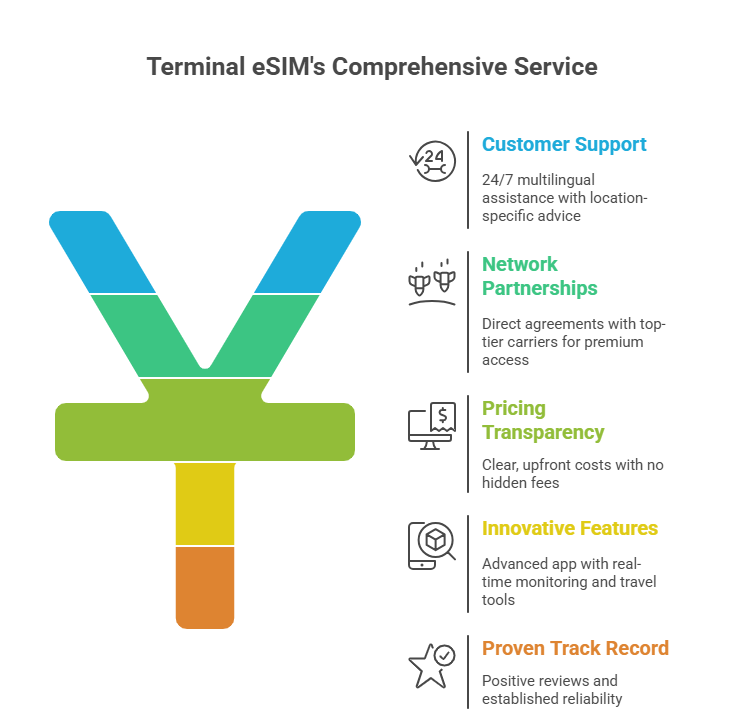
Terminal eSIM distinguishes itself through superior customer experience, competitive pricing, and reliable network partnerships. While many companies offer Korean eSIM plans, few match Terminal eSIM’s comprehensive approach to traveler needs.
Unmatched Customer Support
Travel connectivity issues demand immediate resolution. Terminal eSIM provides 24/7 multilingual customer support through live chat, email, and phone channels. Real humans answer questions, not automated chatbots that provide generic responses.
Their support team understands Korea’s unique network landscape and can provide specific guidance for different regions or cities. Whether you’re attending a conference in Seoul or exploring Jeju Island, they offer location-specific advice.
Terminal eSIM’s support extends beyond basic troubleshooting. They help with device compatibility questions, plan upgrades during your trip, and even provide backup solutions if primary connections fail.
Premium Network Partnerships
Not all eSIM providers access the same network quality. Terminal eSIM maintains direct partnerships with Korea’s top-tier carriers, ensuring premium network access rather than secondary MVNO connections.
This translates to faster speeds, broader coverage, and priority access during high-traffic periods. While budget providers may experience slowdowns in crowded areas like Hongdae or Myeongdong, Terminal eSIM users maintain consistent performance.
Their network agreements also provide access to 5G networks where available, future-proofing your connectivity as Korea continues expanding its next-generation infrastructure.
Transparent Pricing Structure
Hidden fees plague the eSIM industry. Activation charges, daily connection fees, and overage penalties can double your expected costs. Terminal eSIM maintains completely transparent pricing with no surprise charges.
Their plans include all taxes and fees upfront. What you pay during purchase is your total cost—no additional charges appear on credit card statements later.
Terminal eSIM also offers flexible plan modifications. If you need additional data mid-trip, you can upgrade instantly through their app without purchasing an entirely new plan.
Innovative Features and Technology
Terminal eSIM goes beyond basic connectivity. Their proprietary app provides real-time data usage monitoring, network speed tests, and local recommendations based on your location.
The app includes offline maps, currency converters, and translation tools—essentially a digital travel companion that works even when cellular data is unavailable.
Advanced users appreciate Terminal eSIM’s technical features like manual network selection, detailed roaming logs, and compatibility with VPN services for secure business communications.
Proven Track Record
Customer reviews consistently rate Terminal eSIM among the top providers for Korean connectivity. Independent testing by travel blogs and tech reviewers confirms their network performance claims.
Terminal eSIM’s Korean operations have supported thousands of travelers, business users, and digital nomads. Their experience shows in streamlined processes and proactive problem resolution.
Unlike newer providers that may struggle with scale or reliability, Terminal eSIM has proven infrastructure and established relationships with Korean network operators.
Use Cases: Travelers, Digital Nomads, and Business
Different users have varying connectivity needs in Korea. Understanding these distinctions helps choose the optimal eSIM plan and provider for your specific situation.
Leisure Travelers
Vacation connectivity focuses on sharing experiences, navigation, and staying in touch with family. Casual users typically consume 2-5GB weekly through social media, photos, maps, and messaging apps.
Korean tourist areas offer abundant Wi-Fi, but relying solely on public networks creates security risks and access limitations. eSIMs provide reliable backup connectivity and eliminate the need to hunt for Wi-Fi passwords.
Photography enthusiasts particularly benefit from unlimited upload capabilities. Korea’s stunning landscapes and vibrant cities generate countless photo opportunities that demand immediate sharing on Instagram or Facebook.
Food tourists use connectivity for restaurant discovery, menu translations, and review uploads. Korean cuisine exploration often leads travelers to small establishments where English signage is limited—making translation apps essential.
Digital Nomads
Remote workers require consistent, high-speed connectivity for video calls, file transfers, and cloud-based applications. Korean eSIMs support these demanding use cases through premium network access and generous data allowances.
Coworking spaces in Seoul and Busan provide excellent facilities, but nomads often work from cafes, hotels, or unique locations. Personal eSIM connectivity ensures productivity regardless of location or Wi-Fi quality.
Korea’s time zone benefits nomads serving European or American clients. Early morning or late evening calls require reliable connections that won’t drop during important presentations or client discussions.
Many nomads appreciate Korea’s advanced digital infrastructure for testing applications or services that require high-speed connections. Korean networks provide realistic testing environments for data-intensive applications.
Business Travelers
Corporate connectivity demands exceed casual use requirements. Business travelers need reliable connections for video conferences, large file transfers, secure communications, and constant email access.
International business often involves last-minute schedule changes or urgent communications. Having dedicated data connectivity prevents dependence on potentially unreliable hotel or conference Wi-Fi networks.
Korean business culture increasingly embraces digital tools and mobile applications. Having local connectivity enables participation in location-based business activities and networking opportunities.
Security considerations also favor personal eSIM connections over public Wi-Fi networks. Business travelers handling sensitive information need encrypted connections that public networks cannot guarantee.
Students and Researchers
Academic visitors often require extended connectivity for research, collaboration, and maintaining contact with home institutions. Korean universities provide Wi-Fi access, but coverage may be limited in dormitories or off-campus locations.
Language students particularly benefit from constant internet access for translation tools, educational apps, and communication with language exchange partners. Immersive learning experiences require reliable connectivity support.
International research collaborations often involve large data transfers, video conferences across time zones, and access to cloud-based research platforms that demand consistent, high-speed connections.
Frequently Asked Questions
Which devices support eSIM in Korea?
Most modern smartphones support eSIM technology, including iPhone XS and newer models, Google Pixel 3 and later, Samsung Galaxy S20 and newer, and recent OnePlus devices. Check your device’s cellular settings for eSIM options before purchasing. Tablets and smartwatches with cellular capabilities also support eSIM, though plan compatibility may vary.
How fast are Korean mobile networks?
Korea boasts some of the world’s fastest mobile networks, with average 5G speeds exceeding 400 Mbps in major cities. 4G networks typically deliver 50-100 Mbps throughout the country. Rural areas maintain reliable connectivity, though speeds may drop to 20-50 Mbps. These speeds easily support streaming, video calls, and heavy data usage.
Can I use my eSIM for mobile hotspot sharing?
Most Korean eSIM plans allow hotspot sharing, enabling you to connect laptops, tablets, or other devices. However, some budget plans may restrict hotspot usage or limit connected devices. Check your specific plan details before relying on hotspot functionality for multiple devices or heavy usage scenarios.
What happens if I exceed my data allowance?
Plan behavior after data exhaustion varies by provider. Some reduce speeds to 128kbps while others block data entirely. Premium providers like Terminal eSIM often offer mid-trip upgrades to avoid service interruption. Always monitor usage through your provider’s app to avoid unexpected limitations during important activities.
Do eSIMs work in North Korea or the DMZ?
eSIMs function only within South Korean network coverage areas. The DMZ and areas near the North Korean border may have limited or no cellular coverage due to security restrictions. If visiting border regions, inform your eSIM provider beforehand and consider backup connectivity options for remote areas.
Can I keep my eSIM for future Korea visits?
eSIM reusability depends on your provider and plan type. Some offer renewable plans that reactivate automatically upon returning to Korea. Others require purchasing new plans for each visit. Terminal eSIM provides flexible options including renewable plans for frequent visitors, making subsequent trips even more convenient.
Ready to experience seamless connectivity in Korea? Don’t let unreliable internet or expensive roaming charges limit your Korean adventure. Terminal eSIM provides the best eSIM for Korea with unmatched network quality, transparent pricing, and 24/7 support that ensures you stay connected when it matters most.
Get your Korean eSIM plan today and join thousands of satisfied travelers who’ve discovered the Terminal eSIM difference. Your Korean journey deserves reliable connectivity from a provider you can trust.