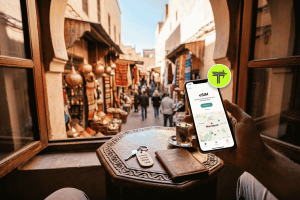
This embedded technology promises instant connectivity, no physical swapping, and a world of flexibility.
But can a virtual SIM truly replace the traditional SIM card you’ve relied on for so long? For travelers, digital nomads, and anyone who frequently crosses borders, this question is more than just a matter of convenience—it’s about reliability, cost, and simplicity. This guide will explore the rise of the virtual SIM, compare it directly to its physical predecessor, and give you the practical insights needed to decide if making the switch is right for your next adventure. We’ll look at the technology, the benefits, and how services like Terminal eSIM are making global connectivity easier than ever.
The Evolution of Connectivity: From Physical Chips to Embedded SIMs
To understand the impact of the virtual SIM, it helps to look at its journey. The story of mobile connectivity began with the physical SIM (Subscriber Identity Module) card. First introduced in 1991, the original SIM was the size of a credit card. Its purpose was simple but revolutionary: to securely store your unique subscriber information, allowing your device to connect to a specific mobile network. Without it, your phone was just a pocket-sized computer with no access to calls, texts, or data.
Over the years, the physical SIM card shrank dramatically. We moved from the mini-SIM to the micro-SIM, and finally to the nano-SIM that most modern smartphones use today. Each reduction in size freed up valuable space inside our devices for other components like bigger batteries and better cameras. However, the core function and limitations remained the same. Travelers still had to physically purchase a new SIM card in each country, deal with language barriers at local stores, and manage multiple tiny chips that were easy to lose. Furthermore, switching between your home number and a travel SIM meant constantly swapping cards, a tedious and risky process.
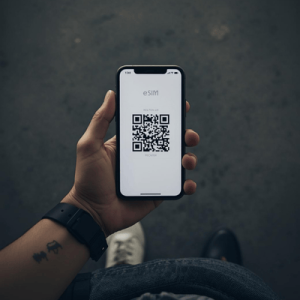
The virtual SIM, or eSIM, represents the next logical step in this evolution. It’s not a physical card at all but a small chip that is permanently embedded inside your phone’s motherboard during manufacturing. The “e” in eSIM stands for “embedded.” This chip can be digitally programmed and reprogrammed with carrier information. Instead of inserting a physical card, you simply scan a QR code or download a carrier profile through an app. This process installs a digital SIM profile onto your device, giving you instant access to a new mobile network. This innovation fundamentally changes how we connect, especially when traveling.
A Practical Guide to Using a Virtual SIM for Travel
Switching to a virtual SIM is far simpler than it sounds. It eliminates the need to find a local store or fumble with tiny plastic chips. Here’s a step-by-step guide to getting connected with a virtual SIM before your next trip.
Step 1: Check Your Device for eSIM Compatibility
Before you purchase a virtual SIM plan, the first and most important step is to ensure your phone supports eSIM technology. Most flagship smartphones manufactured since 2018 have this feature.
- For iPhone users: Go to Settings > Cellular (or Mobile Data). If you see an option like “Add eSIM” or “Add Cellular Plan,” your device is compatible. Models from the iPhone XS, XR, and newer typically have eSIM support.
- For Android users (Samsung, Google Pixel, etc.): The path can vary. Usually, you can find it under Settings > Network & Internet > SIMs. Look for a “+” icon or an “Add eSIM” option. A quick online search for your specific model and “eSIM compatibility” will also give you a definitive answer.
Step 2: Choose and Purchase Your Travel eSIM Plan
Once you’ve confirmed compatibility, it’s time to select a plan that fits your travel needs. This is where services like Terminal eSIM shine. Instead of being tied to a single carrier, you can browse plans for over 100 countries and regions.
Consider the following when choosing a plan:
- Destination: Are you visiting a single country or multiple? Regional plans (e.g., Europe, Asia) can be more cost-effective for multi-country trips.
- Data Amount: How much data will you need? A 3GB plan might be enough for a week of light browsing and maps, while a 10GB or 20GB plan is better for longer trips or heavier usage like video streaming.
- Validity Period: Ensure the plan’s duration (e.g., 7 days, 30 days) covers your entire stay.
You can purchase your plan directly from the Terminal eSIM website, often just minutes before you need it.
Step 3: Install Your Virtual SIM Profile
After purchase, you will receive a QR code via email. Installation is straightforward:
- Connect to a stable Wi-Fi network.
- Go to your phone’s cellular settings where you previously checked for compatibility.
- Select “Add eSIM” or “Add Cellular Plan.”
- Your phone’s camera will open. Scan the QR code provided.
- Follow the on-screen prompts to label your new eSIM (e.g., “Europe Travel”) and choose how you want to use it (e.g., for data only).
It’s best practice to install your virtual SIM right before you depart, but only activate it upon arrival at your destination to ensure the validity period starts when you need it. This way, you’ll be connected the moment you land.
Virtual SIM vs. Traditional SIM Card: A Head-to-Head Comparison
Choosing between a virtual SIM and a traditional physical SIM depends on your priorities as a traveler. While both connect you to a network, their approach, convenience, and flexibility differ significantly. Here is a direct comparison to help you decide.
| Feature | Virtual SIM (eSIM) | Traditional Physical SIM Card |
| Activation | Instant digital activation via QR code. Can be done anywhere with Wi-Fi. | Requires physical purchase and insertion. Often involves visiting a store. |
| Flexibility | Store multiple eSIM profiles on one device and switch between them easily. | One SIM card per slot. Switching requires physically swapping the cards. |
| Convenience | Purchase and install from home before you travel. No need to find a local vendor. | Must be acquired upon arrival, dealing with potential language barriers or store hours. |
| Security | Cannot be physically lost or stolen. Embedded securely within the device. | Can be easily lost, damaged, or stolen, leading to loss of service. |
| Dual SIM Use | Enables dual SIM functionality even on single-slot phones. Use home and travel plans simultaneously. | Requires a dual-SIM phone to use two plans at once. |
| Cost | Often more competitive for short-term travel data. Transparent pricing upfront. | Can be cheap, but sometimes involves hidden fees or complex registration processes. |
| Availability | Supported by most modern flagship smartphones. Not yet available on all older or budget models. | Universally compatible with almost every mobile phone ever made. |
In summary, the virtual SIM offers unparalleled convenience and flexibility. The ability to prepare your connectivity before leaving home and switch between plans digitally is a massive advantage for frequent travelers. You can maintain access to your primary number for calls and texts while using the eSIM for affordable local data.
On the other hand, the traditional SIM card’s main strength lies in its universal compatibility. If you have an older or non-flagship phone, a physical SIM is still a reliable, go-to option. However, for those with compatible devices, the virtual SIM is quickly becoming the superior choice for modern international travel.
The Future of Travel Connectivity: Trends and FAQs
The shift towards virtual SIM technology is accelerating, and it’s poised to become the new standard for global connectivity. Several trends are driving this adoption, but travelers still have valid questions.
One of the biggest trends is the “eSIM-only” smartphone. Apple has already released iPhone models in the U.S. without a physical SIM tray, forcing a move to eSIM. This decision signals a clear industry direction: the physical SIM card’s days are numbered. As more manufacturers follow suit, travelers will increasingly rely on services like Terminal eSIM for their connectivity needs. Another trend is the integration of eSIMs into devices beyond phones, including smartwatches, tablets, and even laptops, creating a seamless connected ecosystem for the modern digital nomad.
This technology also solves a major problem for business travelers and frequent flyers: expense management. With a virtual SIM, purchasing a data plan is a clear, digital transaction that is easy to track and expense. There are no surprise roaming charges or confusing receipts from foreign vendors.
Even with these benefits, some travelers have concerns. Let’s address a few common questions.
Traveler FAQs About Virtual SIMs
- Can I keep my home phone number while using a virtual SIM?
Yes, absolutely. This is one of the greatest advantages of eSIM technology. Most modern phones allow you to use one physical SIM and one eSIM (or two eSIMs) simultaneously. You can set your virtual SIM as the primary source for mobile data while keeping your home SIM active for calls and texts from your primary number. - What happens if I lose my phone? Is my virtual SIM secure?
A virtual SIM is more secure than a physical one. Because it’s embedded in your device, it cannot be removed and placed in another phone. If your device is lost or stolen, the eSIM profile is protected by your phone’s lock screen password, PIN, or biometric security. You can also contact your provider to deactivate the profile remotely. - Do I need an internet connection to activate my virtual SIM?
You need a Wi-Fi or other internet connection to download and install the eSIM profile onto your device. This is why it’s recommended to set up your eSIM before you leave home or at the airport using their free Wi-Fi. Once installed, you don’t need an internet connection to activate it upon arrival at your destination. - Can I reuse a virtual SIM?
Most travel eSIMs are sold as prepaid, data-only plans for a specific duration and are not designed to be “topped up” or reused after they expire. However, you can simply purchase a new plan and install a new virtual SIM profile for your next trip. Your device can store multiple eSIM profiles, making it easy to switch between them as you travel.
Summarizing the Shift to a Virtual SIM
For decades, the traditional SIM card has been an essential but often inconvenient part of international travel. From hunting down local carriers in crowded airports to the risk of losing that tiny piece of plastic, staying connected abroad has always come with friction. The rise of the virtual SIM marks a fundamental change in this experience, offering a solution that is more aligned with the needs of the modern traveler.
We’ve seen that a virtual SIM is an embedded, digital-first technology that delivers instant connectivity without physical hardware. By allowing you to download and activate a mobile plan with just a QR code, it removes the biggest pain points associated with traditional SIMs. The flexibility to store multiple profiles, the security of an embedded chip, and the convenience of pre-purchasing data plans from anywhere in the world make it a powerful tool for anyone on the move.
While physical SIMs still hold their ground due to universal compatibility with older devices, the advantages of eSIMs are undeniable for those with modern smartphones. The comparison is clear: a virtual SIM provides superior convenience, better security, and greater control over your mobile connectivity abroad. It empowers you to land at your destination and get online instantly, letting you focus on your trip, not on finding a SIM card.
Step into the Future of Travel with Terminal eSIM
The debate between virtual and traditional SIMs is quickly settling, and for the modern traveler, the future is digital. A virtual SIM isn’t just a replacement for a physical card; it’s an upgrade to your entire travel experience. Imagine landing in a new country and being online before the plane even reaches the gate. No more searching for airport Wi-Fi, no more queues at mobile kiosks, and no more surprise roaming bills when you get home. This is the freedom that Terminal eSIM provides.
Whether you’re a digital nomad hopping between continents, a business professional on a tight schedule, or a family on a well-deserved vacation, seamless connectivity is essential. With a virtual SIM, you can easily switch between your home number and an affordable local data plan, ensuring you never miss an important call or a chance to share your journey. Terminal eSIM offers flexible data plans for over 100 destinations, giving you the power to choose exactly what you need, when you need it.
Don’t let outdated technology dictate your travel plans. Embrace the convenience, security, and flexibility of a virtual SIM.
Explore Terminal eSIM’s global data plans today and travel smarter on your next adventure.