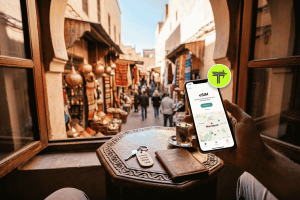
An eSIM is a digital SIM that lets you activate a cellular plan from a carrier without having to use a physical nano-SIM. This means you can get online almost as soon as you land, often with just a few taps on your phone.
But with this new convenience comes a new question: where is the best place to buy an eSIM? The market is growing rapidly, with options ranging from global providers and regional specialists to your home mobile operator. This guide will walk you through everything you need to know. We’ll explore what an eSIM is, how to choose the right provider for your needs, and compare some of the top players in the market. By the end, you’ll be equipped with the knowledge to make a smart choice and travel with confidence.
Understanding the eSIM Revolution
Before we dive into where to buy an eSIM, let’s get a clear picture of what this technology is and why it’s become a game-changer for travelers. An eSIM, or embedded Subscriber Identity Module, is a small chip built directly into your device—whether it’s a smartphone, tablet, or smartwatch. Unlike a traditional physical SIM card that you must insert and remove, an eSIM is programmable. You can download a carrier’s cellular plan, known as an eSIM profile, directly to your device.
The concept isn’t entirely new; the first devices with eSIMs appeared around 2016. However, it was Apple’s adoption of the technology in its iPhones, starting with the XS and XR models in 2018, that truly pushed it into the mainstream. Since then, nearly all major smartphone manufacturers, including Google, Samsung, and Huawei, have integrated eSIM support into their flagship devices. This shift has unlocked a new level of flexibility for users, especially those who cross borders frequently.
The primary benefit is convenience. You can purchase and activate a data plan from anywhere with an internet connection. Imagine landing in Tokyo, scanning a QR code you received via email, and being connected to the local network before you even clear customs. There’s no need to find a store, deal with language barriers, or handle tiny, easily lost cards. Furthermore, most modern phones support holding multiple eSIM profiles, allowing you to switch between plans for different countries or even use one for data and your primary SIM for calls and texts. This dual-SIM capability is perfect for digital nomads, business travelers, and vacationers who want to stay connected without paying expensive roaming fees from their home carrier.
A Practical Guide on Where to Buy an eSIM
Now that you’re familiar with the benefits, let’s focus on the practical steps. Deciding where to buy an eSIM depends on your travel style, destination, and data needs. There are three main sources for purchasing an eSIM plan: global eSIM marketplaces, direct from mobile network operators, and regional specialists.
1. Global eSIM Marketplaces
These are online stores that aggregate eSIM plans from various networks around the world. They offer incredible flexibility, with plans covering single countries, specific regions (like Europe or Asia), or even the entire globe.
- Pros: Wide selection, competitive pricing, and the ability to compare multiple options in one place. They are ideal for multi-country trips.
- How to Buy: Visit a provider’s website like Terminal eSIM, select your destination and desired data package, complete the purchase, and you’ll typically receive a QR code via email for instant activation.
2. Direct from Mobile Network Operators (MNOs)
Many local mobile carriers in your destination country now offer prepaid eSIM plans directly to tourists. For example, if you’re traveling to France, you could buy an eSIM from Orange or SFR.
- Pros: You might get better speeds or priority on the local network. Some plans may include a local phone number.
- How to Buy: This usually involves visiting the MNO’s website. The process can sometimes be more complex, potentially requiring identity verification or navigating a site not optimized for international customers.
3. Your Home Carrier
Your current mobile provider might offer international roaming packages on an eSIM. This can be a convenient option if you prefer to stick with a familiar company.
- Pros: Simple billing integrated with your existing account.
- Cons: This is often the most expensive option, with high roaming charges that can quickly add up.
For most travelers, a global eSIM marketplace provides the best balance of price, convenience, and choice. You can plan ahead and have your connectivity sorted before your trip even begins.
Comparing Top eSIM Providers
Choosing the right eSIM provider can feel overwhelming with so many options available. The best choice depends on your specific travel needs, such as your destinations, the amount of data you require, and how long you’ll be traveling. Below is a comparison table highlighting key features of some popular eSIM providers to help you make an informed decision.
| Feature | Terminal eSIM | Airalo | Holafly | Nomad |
| Coverage | 150+ countries, regional & global plans | 200+ countries, regional & global plans | 160+ countries, regional plans | 112+ countries, regional plans |
| Plan Types | Data-only, with some plans including calls/texts | Data-only, with some local plans including a number | Primarily unlimited data plans (throttled after a cap) | Data-only |
| Pricing | Competitive, with plans starting from a few dollars | Generally affordable for small data packages | Higher price point, focused on unlimited data | Competitive, often with mid-range data options |
| Activation | Instant via QR code or in-app installation | Instant via QR code or in-app installation | Instant via QR code | Instant via QR code |
| Key Feature | Focus on reliable networks and customer support for a smooth travel experience. | Wide variety of small, short-term plans. | Offers unlimited data for specific durations. | User-friendly app and loyalty program. |
| Best For | All travelers, from vacationers to digital nomads, who prioritize reliability and choice. | Short trips or users with minimal data needs. | Heavy data users who want peace of mind about running out of data. | Tech-savvy travelers looking for a simple app interface. |
This table shows that while many providers offer similar core services, their specialties differ. Terminal eSIM stands out by offering a balanced approach with extensive coverage, flexible plan types, and a strong emphasis on network reliability, making it a versatile choice for any traveler. Airalo is great for a quick weekend trip, while Holafly’s unlimited plans suit streamers or remote workers who need a lot of data. Nomad offers another solid, user-friendly alternative. By evaluating these options against your travel itinerary, you can easily find the perfect eSIM to keep you connected.
Common Questions and Trends in the eSIM Space
As eSIM technology becomes more common, travelers often have questions and concerns. Understanding current trends and getting answers to frequently asked questions can help you navigate the process with ease. The biggest trend is the move toward “eSIM-only” phones. Apple’s iPhone 14 and subsequent models sold in the United States no longer have a physical SIM tray, forcing users to adopt eSIMs. This signals a clear industry shift, and other manufacturers are expected to follow suit. Another trend is the increasing availability of global and regional plans, making it easier than ever for travelers on multi-country tours to stay connected with a single eSIM purchase.
Let’s address some common questions:
FAQs About Buying and Using an eSIM
- Is my phone compatible with an eSIM?
Most smartphones released since 2018 support eSIM technology, including iPhones (XS and newer), Google Pixels (3 and newer), and Samsung Galaxy S-series (S20 and newer). The best way to be sure is to check your phone’s settings (often under “Cellular” or “Network”) for an option like “Add eSIM” or “Add Cellular Plan.” You can also consult your device manufacturer’s website. - Can I use my physical SIM and an eSIM at the same time?
Yes, absolutely! This is one of the biggest advantages of eSIMs. Most phones with eSIM support offer Dual SIM, Dual Standby (DSDS) functionality. This means you can keep your primary physical SIM active for calls and texts from your home number while using the eSIM for affordable mobile data abroad. - What happens if I use up all my eSIM data?
Most eSIM providers make it easy to manage your plan. You’ll typically receive a notification when you’re running low on data. From there, you can usually top up your existing plan or purchase a new one directly from the provider’s app or website without needing to install a new eSIM profile. - How do I activate an eSIM?
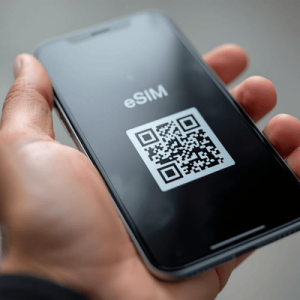
Activation is simple. After you buy an eSIM plan, the provider will send you a QR code. On your phone, go to your cellular settings, select “Add eSIM,” and scan the QR code with your camera. Your phone will then guide you through a few quick steps to finalize the installation. Some providers also offer direct in-app installation, which is even easier. - Is an eSIM more secure than a physical SIM?
Yes, in many ways, an eSIM is more secure. Since it’s embedded in your device, it can’t be physically stolen and used in another phone. This reduces the risk of SIM-swapping attacks.
Your Final Checklist for Buying an eSIM
Choosing how to stay connected abroad is a key part of modern travel planning. We’ve explored the shift from physical SIM cards to the convenient, digital world of eSIMs. This technology offers unparalleled flexibility, allowing you to get online moments after landing in a new country without the hassle of finding a local store or paying exorbitant roaming fees.
We learned that an eSIM is a programmable chip inside your device, ready to be activated with a data plan from a provider of your choice. When deciding where to buy an eSIM, you have three main paths: global marketplaces like Terminal eSIM, local mobile operators in your destination country, or your home carrier’s international plans. For most travelers, global marketplaces offer the best combination of convenience, variety, and competitive pricing.
Our comparison of top providers showed that while many services exist, they cater to different needs. Whether you need a small data package for a short trip or a large regional plan for a month-long adventure, there’s an option for you. By checking your phone’s compatibility and understanding the simple activation process, you’re ready to embrace seamless global connectivity.
Travel Smarter with Terminal eSIM
The freedom to travel should come with the freedom to connect. As a frequent flyer, digital nomad, or adventurous vacationer, you need a reliable data solution that moves with you. Juggling physical SIM cards or worrying about unexpected roaming bills is a thing of the past. With an eSIM, you can step off the plane and be instantly connected, ready to navigate, share, and work from anywhere.
Terminal eSIM is designed for the modern traveler. We offer a curated selection of eSIM plans covering over 150 countries, ensuring you have fast, reliable data wherever your journey takes you. Our platform is built for simplicity—from choosing your plan to activating it in seconds with a QR code. Forget the stress and embrace the journey with a connection you can count on.
Ready to experience seamless global connectivity? Explore our affordable, flexible data plans and find the perfect eSIM for your next adventure.