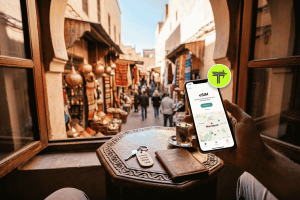
This used to be a common travel headache, forcing globetrotters to hunt for pricey airport Wi-Fi or queue for a local physical SIM card. Those days are over.
Welcome to the world of eSIM technology, the modern solution for seamless global connectivity. An eSIM, or embedded SIM, is a digital version of the traditional plastic SIM card, built directly into your phone. This technology eliminates the need for tiny, easy-to-lose cards and empowers you to switch carriers with just a few taps. For anyone planning an international trip, understanding how to use an eSIM is the ultimate travel hack. This guide will walk you through everything you need to know about using an eSIM for international travel, from the basics to pro-level tips, ensuring you stay connected effortlessly, wherever your journey takes you.
What Is an eSIM and How Does It Change Travel?
To appreciate the power of an eSIM, it helps to understand its origins. For decades, the Subscriber Identity Module (SIM) card has been the key to connecting our phones to a cellular network. This small plastic chip holds your user information, allowing you to make calls, send texts, and use data. While revolutionary at the time, physical SIM cards have limitations, especially for travelers. They require you to physically swap them out, they can be easily lost or damaged, and you are tied to a single provider unless you purchase a new one.
The concept of a software-based, remotely programmable SIM has been around since the mid-2010s, initially for M2M (machine-to-machine) devices like smart meters. Its introduction into consumer electronics, however, was the game-changer. The “e” in eSIM stands for “embedded,” meaning the chip is integrated directly into your device’s motherboard during manufacturing. It can be rewritten and reprogrammed remotely, which is where its true power lies.
For an international traveler, this means you no longer have to worry about finding a local SIM card vendor upon arrival. Instead, you can purchase and install a data plan for your destination country before you even leave home. Imagine activating your data plan for Japan while waiting to board your flight in New York. The moment you land, your phone connects to the local network automatically. This eliminates roaming fees from your home carrier, which are often excessively high and offer limited data. An eSIM provides the cost-effective convenience of a local plan with the simplicity of a digital download.
Your Practical Guide to Using an eSIM International Plan
Ready to make the switch? Using an eSIM for international travel is simpler than you might think. It streamlines connectivity, saving you time and money. Here are the practical steps and tips to get you started on your journey to becoming a connected pro.
1. Check Your Device for eSIM Compatibility
First, ensure your smartphone supports eSIM technology. Most modern phones do, including iPhones from the XS model onwards, Google Pixel 3 and later, and recent Samsung Galaxy S and Z series devices. You can quickly verify this in your phone’s settings. On an iPhone, go to Settings > Cellular. If you see an option like “Add eSIM” or “Add Cellular Plan,” your device is compatible. On Android, the path is usually Settings > Network & internet > SIMs, where you’ll find a similar option to add an eSIM.
2. Choose and Purchase Your eSIM Plan
Once you confirm compatibility, it’s time to shop for a plan. Providers like Terminal eSIM offer a wide range of options tailored to different travel needs. You can choose from:
- Country-specific plans: Perfect if you’re visiting a single destination.
- Regional plans: Ideal for multi-country trips, such as a European tour or a Southeast Asian adventure.
- Global plans: The best choice for digital nomads or those on a round-the-world trip, offering coverage in dozens of countries.
When selecting a plan, consider the amount of data you’ll need and the duration of your trip. Light users might only need 1-3 GB, while heavy users who stream video or use their phone as a hotspot may need 10 GB or more.
3. Install and Activate Your eSIM
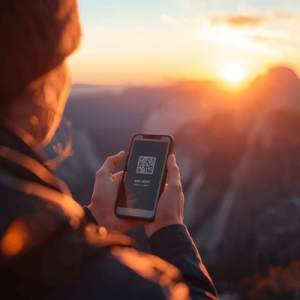
After purchasing your plan, you will receive a QR code via email. Installing your eSIM is as simple as scanning this code with your phone’s camera.
- Go back to the eSIM settings on your phone (“Add eSIM” or similar).
- Choose the option to use a QR code.
- Scan the code provided by your eSIM provider.
- Follow the on-screen prompts to label your new plan (e.g., “Europe Data”).
Pro Tip: It’s best to install your eSIM before you travel, while you have a stable internet connection. However, wait to activate it until you arrive at your destination to ensure you get the full duration of your plan. Activation is as simple as switching on the eSIM line in your cellular settings.
4. Manage Your SIMs Like a Pro
Most eSIM-compatible phones are dual-SIM capable. This allows you to keep your primary SIM active for calls and texts from home (just make sure data roaming is turned off to avoid charges) while using your international eSIM for all data needs. You can easily switch which line is used for data in your phone’s settings, giving you complete control over your connectivity and costs.
Choosing the Right eSIM Plan: A Comparison
Not all eSIM plans are created equal. The right choice depends on your destination, trip duration, and data habits. To simplify your decision, we’ve compared typical plan structures you might find. This helps illustrate how providers like Terminal eSIM design offerings to fit various traveler profiles.
| Plan Type | Best For | Typical Coverage | Data & Validity Example | Key Advantage |
| Local eSIM | Single-country visitors, short trips | One specific country (e.g., Japan) | 5 GB for 15 days | Most cost-effective for focused travel. |
| Regional eSIM | Backpackers, multi-country tours | A whole region (e.g., Europe, covering 30+ countries) | 10 GB for 30 days | Seamless connectivity across borders without changing plans. |
| Global eSIM | Digital nomads, frequent flyers, long-term travelers | 80+ countries worldwide | 20 GB for 90 days | Ultimate flexibility and convenience for globetrotters. |
| Pay-As-You-Go | Unpredictable travel, light data users | Varies by provider | Top-up as needed | Only pay for what you use, ideal for backup connectivity. |
When comparing these options, the key is to match the plan to your itinerary. A regional eSIM for Europe, like one from Terminal eSIM, is a fantastic value proposition. It allows you to travel from France to Italy to Germany without ever thinking about your data connection. You buy one plan, and it works everywhere within the specified region.
In contrast, if your travels take you from Asia to South America over several months, a global eSIM is unmatched. It prevents the hassle of buying new plans for each continent. The upfront cost might be higher, but the convenience and long-term savings are significant. Always check the list of included countries to ensure your destinations are covered. For most travelers, a regional or global plan strikes the perfect balance between cost, convenience, and comprehensive coverage.
Common Traveler Concerns and eSIM Solutions
Adopting new technology often comes with questions and concerns. Let’s address some of the most common issues travelers face and how an eSIM provides the perfect solution.
One major worry is losing your primary phone number while abroad. With a physical SIM, you’d have to swap it out, making you unreachable on your regular number. An eSIM solves this elegantly. Since your primary SIM remains in your phone, you can continue to receive calls and texts on your home number. You simply designate your eSIM for mobile data, giving you the best of both worlds.
Another common problem is the “bill shock” from unexpected roaming charges. Many travelers have returned home to find hundreds of dollars in fees from their home carrier. An eSIM international plan is prepaid, so you know exactly what you are paying for upfront. There are no hidden fees or surprise charges. If you run out of data, you can easily top up your plan or purchase a new one. This puts you in complete control of your spending.
What if you run into trouble? Reliable customer support is crucial. Unlike hunting for a physical store for a local SIM provider, reputable eSIM companies offer 24/7 support. If you have an issue with installation or connectivity, help is just an email or a chat message away.
Frequently Asked Questions (FAQs)
- Can I use my eSIM for phone calls?
Most travel eSIMs are data-only, which is perfect for using apps like WhatsApp, FaceTime Audio, or Skype to make calls over the internet. Some providers offer plans that include a phone number and calling minutes, so be sure to check the plan details before purchasing. - What happens if I use up all my data?
If your data runs out, you simply lose your internet connection. You won’t incur any overage charges. You can easily purchase a new plan or top up your existing one through your provider’s app or website. - Can I have multiple eSIMs installed at once?
Yes, most modern smartphones allow you to store multiple eSIM profiles on your device (often eight or more). However, you can typically only have one or two active at a time, alongside your physical SIM. This is great for travelers who visit different regions frequently, as you can keep plans for various destinations ready to activate.
A Recap: The Power of eSIM for Modern Travel
Staying connected abroad has transformed from a complicated hassle into a simple, streamlined experience. We’ve moved past the days of searching for Wi-Fi hotspots, fumbling with tiny SIM card trays, and dreading post-trip phone bills. The rise of eSIM technology has truly revolutionized how we approach international travel.
As we’ve explored, an eSIM offers unparalleled flexibility. It allows you to purchase and activate affordable data plans for over 190 countries and regions directly from your phone. Whether you’re on a week-long vacation in Italy, a month-long backpacking trip through Southeast Asia, or a year-long journey as a digital nomad, there is an eSIM plan designed for you.
The key advantages are clear: you avoid expensive roaming fees, maintain access to your primary phone number, and enjoy the convenience of activating your data plan the moment you land. By checking your device’s compatibility and choosing a plan that matches your itinerary from a trusted provider, you can unlock seamless connectivity. This simple piece of technology empowers you to travel with confidence, knowing that maps, translations, and connections are always at your fingertips.
Your Journey to Seamless Connectivity Starts Here
You’re now equipped with the knowledge to travel like a pro. No more stress about finding a connection or paying outrageous fees. With an eSIM, you hold the power to connect instantly and affordably, no matter where your adventures lead. This technology is designed for the modern traveler—the vacationer who wants to share moments in real-time, the business traveler who needs to stay productive, and the digital nomad who calls the world their office.
At Terminal eSIM, we believe that staying connected should be simple and accessible for everyone. We offer a wide range of prepaid eSIM plans for hundreds of destinations, ensuring you get reliable, high-speed data without the hassle. Our plans are easy to purchase, install, and manage, giving you more time to focus on what truly matters: enjoying your trip.
Stop letting connectivity issues define your travel experience. Embrace the freedom and flexibility of an eSIM.