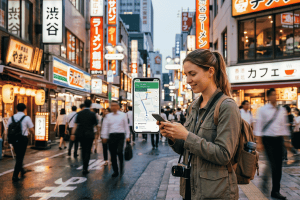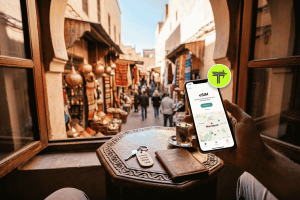
For years, travelers juggled expensive roaming charges, hunted for local SIM card vendors, and dealt with the hassle of swapping tiny plastic chips. But that era is ending. Welcome to the world of eSIMs—a digital solution that revolutionizes how we connect abroad.
An eSIM, or embedded SIM, is a digital version of the physical SIM card you’re used to. It’s built directly into your device’s hardware, allowing you to activate a cellular plan from a provider without a physical card. This technology offers incredible flexibility, letting you switch carriers and data plans with just a few taps on your screen. If you’ve ever landed in a new country and wished you could get online instantly, learning how to buy an eSIM is the key to unlocking that freedom. This guide will walk you through everything you need to know, from understanding the technology to choosing the perfect plan for your next adventure.
What Exactly is an eSIM and Why Should You Care?
Before you decide to buy an eSIM, it’s helpful to understand what it is and why it’s becoming the go-to choice for modern travelers. Think of an eSIM as a rewritable, digital SIM card that lives inside your smartphone, tablet, or smartwatch. Unlike a traditional SIM card, which is a physical piece of plastic you insert into your device, an eSIM is part of the phone’s internal components. This fundamental difference is what makes it so powerful.
The concept isn’t brand new; eSIMs have been integrated into devices since around 2016. However, their adoption has skyrocketed recently as more device manufacturers, like Apple and Google, have made eSIM technology a standard feature. Major phone models, including recent iPhones, Google Pixels, and Samsung Galaxy devices, are now eSIM-compatible. This widespread support has paved the way for a new ecosystem of global connectivity providers.
So, why should a traveler care about this technology? The benefits are significant:
- Convenience: You can purchase and activate an eSIM from anywhere with an internet connection—before you even leave home or while waiting for your luggage at the airport. There’s no need to find a physical store or fumble with tiny SIM ejector tools.
- Flexibility: eSIMs allow you to store multiple cellular plans on a single device. You can have your home plan and a travel plan active simultaneously. This means you can keep your primary number for calls and texts while using a more affordable local data plan for internet access.
- Cost Savings: Roaming charges from your home carrier can be incredibly expensive. An eSIM from a provider like Terminal eSIM offers local or regional data plans at a fraction of the cost, giving you predictable and affordable pricing.
- Security: A physical SIM card can be lost or stolen. Since an eSIM is embedded in your device, it can’t be physically removed, adding a layer of security. If your phone is lost, it’s much harder for someone to swap out your SIM and take over your number.
Essentially, the eSIM transforms your phone into a truly global device. It eliminates the logistical headaches of staying connected abroad and empowers you with choice and control over your mobile data.
How to Buy and Activate Your Terminal eSIM: A Step-by-Step Guide
The process to buy an eSIM is surprisingly simple and can be completed in just a few minutes. Gone are the days of language barriers at airport kiosks or searching for a mobile shop in an unfamiliar city. With a provider like Terminal eSIM, you can get connected before your plane even touches down. Here’s a straightforward guide to get you started.
Step 1: Check Your Device’s Compatibility
First and foremost, you need to ensure your device supports eSIM technology. Most smartphones manufactured in the last few years are compatible. This includes:
- iPhone XS, XR, and newer models
- Google Pixel 3 and newer models
- Samsung Galaxy S20, Fold, and newer models
Many tablets and even some laptops also support eSIMs. A quick way to check is to go into your phone’s settings. On an iPhone, look under “Cellular” for an option like “Add eSIM” or “Add Cellular Plan.” On Android, this is often found under “Network & Internet” > “SIMs.”
Step 2: Choose Your Destination and Data Plan
Once you’ve confirmed your device is ready, head over to the Terminal eSIM website. Here, you can browse plans based on your destination. You can choose from:
- Local eSIMs: Perfect for a trip to a single country.
- Regional eSIMs: Ideal if you’re backpacking through a region like Europe, Asia, or South America.
- Global eSIMs: The best option for globetrotters and frequent flyers visiting multiple continents.
When selecting a plan, consider the amount of data you’ll need and the duration of your trip. Plans typically range from 1GB for a few days to 20GB or more for a month-long stay. Think about your usage habits—will you just be using maps and messaging, or do you plan on streaming video and making video calls?
Step 3: Purchase and Install Your eSIM
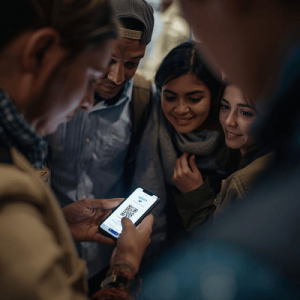
After selecting the perfect plan, proceed to checkout. Once your purchase is complete, you’ll receive an email containing a QR code. This code is your key to activating the eSIM.
To install it, follow these simple steps:
- Connect to a stable Wi-Fi network.
- Go to your phone’s cellular settings.
- Select the option to “Add eSIM” or “Add Cellular Plan.”
- Your phone’s camera will open. Scan the QR code from your email.
- Follow the on-screen prompts to label your new eSIM (e.g., “Travel Data”) and set it as your primary source for cellular data.
It’s best to wait until you arrive at your destination to activate the plan fully to ensure you get the entire validity period. Once you land, simply switch your cellular data line to your new eSIM, and you’ll be connected instantly.
Comparing Your Options: eSIM vs. Local SIM vs. Roaming
When planning for international travel, you have three main choices for staying connected. Each has its pros and cons, and the best option depends on your travel style, budget, and technical comfort. Let’s break down how a travel eSIM stacks up against the traditional alternatives.
| Feature | eSIM (e.g., Terminal eSIM) | Local Physical SIM | International Roaming |
| Activation | Instant, digital activation via QR code. Can be done before travel. | Must find a physical store upon arrival. May require passport/ID. | Usually automatic, but must be enabled with home carrier. |
| Cost | Highly affordable, with clear, upfront pricing for data packages. | Generally cheap for local data, but requires an upfront purchase. | Typically very expensive, with high per-MB or daily rates. |
| Convenience | Top-tier. Purchase from anywhere, no physical swap needed. | Low. Involves airport kiosks or city stores, potential language barriers. | High convenience, as it works automatically. |
| Flexibility | Excellent. Store multiple eSIMs and switch between them easily. | Limited. One physical SIM slot means you have to swap cards. | Good. Works in many countries, but you’re tied to one carrier. |
| Keeping Home Number | Yes. Can use home SIM for calls/texts and eSIM for data simultaneously. | No. Swapping the SIM means your home number is inactive. | Yes. Your number remains the same for all services. |
In summary, while international roaming offers convenience, its exorbitant cost makes it impractical for most travelers. Local SIM cards are cost-effective but come with the significant hassle of acquiring them upon arrival. This is where an eSIM truly shines. It combines the affordability of a local plan with even greater convenience than roaming. The ability to buy an eSIM online, install it in minutes, and activate it the moment you land provides a seamless experience that the other options simply can’t match.
Common Questions and Concerns for First-Time eSIM Users
Making the switch to a new technology can bring up some questions. To help ease your mind, here are answers to some frequently asked questions about using an eSIM for travel.
FAQs About Buying and Using an eSIM
- Can I still use my regular phone number with an eSIM?
Absolutely. This is one of the biggest advantages of dual-SIM phones. You can keep your primary physical SIM or eSIM active for receiving calls and text messages on your regular number, while using your travel eSIM exclusively for mobile data. This setup gives you the best of both worlds: you stay reachable on your main number without incurring high data roaming charges. - What happens if I use up all my data?
It’s just as easy to top up as it is to buy an eSIM in the first place. Most providers, including Terminal eSIM, allow you to purchase additional data directly through their website or app. You simply select a top-up package, and it will be added to your existing eSIM profile without needing to install a new one. There’s no need to worry about being cut off from the internet unexpectedly. - Do I need an internet connection to activate my eSIM?
Yes, you need a stable Wi-Fi or cellular connection to download and install the eSIM profile onto your device. This is why it’s highly recommended to purchase and set up your eSIM before you leave for your trip. You can do it from the comfort of your home or at the airport before you board your flight. Once installed, you won’t need Wi-Fi to activate it upon arrival at your destination. - Can I reuse my eSIM on a future trip?
This depends on the type of eSIM. Most travel eSIMs are data-only and designed for one-time use or have a specific validity period. Once the plan expires or the data is used, the eSIM is deactivated. However, for your next trip, the process to buy and install a new eSIM is just as simple. Some providers are beginning to offer reloadable eSIMs, so this is a trend to watch in the future. - Is my phone unlocked? Do I need it to be?
Yes, your device must be unlocked to use an eSIM from a different provider. A locked phone is restricted to the carrier from which you bought it. Most phones purchased directly from manufacturers like Apple or Google are unlocked. If you bought your phone through a carrier on a payment plan, it might be locked. You can contact your home carrier to request that they unlock your device, which they are often required to do once your contract is paid off.
Make Your Next Trip a Connected One
The days of stressful airport searches for Wi-Fi or SIM cards are over. The evolution of mobile technology has placed the power of global connectivity directly in your hands. An eSIM is more than just a convenience; it’s a fundamental upgrade to your travel toolkit. It provides the freedom to explore new places without ever worrying about being disconnected or returning home to a shocking phone bill. By taking a few moments to buy an eSIM before your trip, you are setting yourself up for a smoother, more enjoyable, and connected journey.
Whether you’re a digital nomad who needs reliable internet for work, a family on vacation sharing photos and videos, or a solo adventurer navigating with Google Maps, an eSIM is the smartest way to stay online. The simplicity, affordability, and flexibility it offers are unmatched by any other solution. You get to keep your home number active, avoid expensive roaming fees, and enjoy local data rates, all managed with a few taps on your screen.
Ready to Experience True Travel Freedom?
Your next adventure deserves a connection that’s as seamless as your travel plans. Stop overpaying for international roaming and skip the hassle of physical SIM cards. Embrace the future of travel connectivity with a simple, affordable, and powerful solution.
At Terminal eSIM, we offer reliable data plans for over 100 countries and regions worldwide. Find the perfect plan for your destination, install it in minutes, and get connected the moment you arrive.