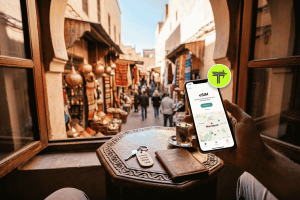
For years, travelers juggled expensive roaming charges, hunted for local SIM cards, or relied on spotty public Wi-Fi. Now, a more flexible and convenient solution has emerged: the eSIM.
An eSIM, or embedded SIM, is a digital SIM card built directly into your phone. It allows you to activate a cellular plan without needing a physical nano-SIM. A prepaid eSIM takes this a step further, offering short-term data plans you can purchase and activate instantly, wherever you are. This technology provides freedom from contracts and the hassle of physical SIMs. But is it the right choice for your travel style? This guide will walk you through the five most important questions to ask yourself before purchasing a prepaid eSIM, ensuring you make an informed decision for seamless global connectivity.
What Exactly is a Prepaid eSIM and How Does it Work?
To understand if a prepaid eSIM is right for you, it’s helpful to know what it is and how it differs from traditional options. Think of an eSIM as a rewritable, digital version of the physical SIM card you’ve used for years. Instead of a tiny plastic chip you insert into your phone, the eSIM is a small chip already embedded within your device’s hardware by the manufacturer. This means you can’t physically remove it, but you can digitally change the carrier profile loaded onto it.
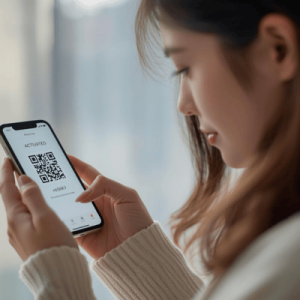
So, how does the “prepaid” part work? A prepaid eSIM plan lets you buy a set amount of data for a specific duration (e.g., 10 GB for 30 days) before you travel. You pay upfront, so there are no surprise bills or roaming fees. The entire process is digital. You can browse plans online from providers like Terminal eSIM, choose one that fits your destination and data needs, and purchase it. After payment, you receive a QR code or an in-app installation prompt. Simply scanning this code or following the instructions installs the data plan onto your phone’s eSIM.
The key benefit is immediate connectivity upon arrival at your destination. The moment your plane lands, you can switch to your prepaid eSIM profile and get online. This eliminates the stressful airport scramble for a SIM card vendor, language barrier negotiations, and the risk of overpaying for a local plan. It’s a seamless, modern solution designed for travelers who value convenience and cost control. Because the eSIM is digital, you can also keep your primary SIM active for calls and texts from home, giving you the best of both worlds.
5 Questions to Ask Before You Buy a Prepaid eSIM
Making the switch to a prepaid eSIM is simple, but a few key considerations will ensure you have the best possible experience. By answering these five questions, you can confidently choose a plan that aligns with your travel needs, device, and budget.
1. Is My Phone eSIM-Compatible?
This is the most critical first step. Not all smartphones support eSIM technology, although most newer models do. Before you even start browsing for plans, you need to confirm your device is compatible.
- For iPhone users: Most models from the iPhone XS, XS Max, and XR onward support eSIM. You can check by going to Settings > Cellular (or Mobile Data). If you see an option like “Add eSIM” or “Add Cellular Plan,” your phone is compatible.
- For Android users: Compatibility varies widely by manufacturer and model. High-end devices from Samsung (Galaxy S20 and newer), Google (Pixel 3 and newer), and others typically include eSIM support. The easiest way to check is to go to Settings > Network & Internet and look for an “Add eSIM” or similar option. You can also dial *#06#—if an “EID” number appears on the screen, your device has an eSIM.
2. Where Am I Traveling and For How Long?
Your destination and trip duration directly influence the type of prepaid eSIM plan you need. Are you visiting a single country, or are you on a multi-country tour of Europe or Southeast Asia?
- Single-Country Plans: If you’re only visiting one country, like Japan or Italy, a country-specific plan is often the most cost-effective.
- Regional Plans: For trips spanning multiple countries in a region (e.g., Europe, Asia, North America), a regional eSIM is far more convenient. It saves you from buying and activating a new plan for each country you enter.
- Global Plans: Digital nomads or long-term globetrotters might benefit from a global plan that covers a vast number of countries under a single package.
Consider the length of your stay. Prepaid eSIM plans come with a specific validity period (e.g., 7, 15, or 30 days). Choose a plan that covers your entire trip to avoid losing data or having to top up.
3. How Much Data Do I Actually Need?
Estimating your data usage is key to avoiding overpaying or running out of data mid-trip. Think about your typical online habits:
- Light User (1-3 GB per week): You primarily use data for maps, messaging apps (like WhatsApp), checking emails, and occasional web browsing.
- Medium User (5-7 GB per week): You do all of the above, plus stream music, browse social media regularly, and maybe watch a few short videos.
- Heavy User (10+ GB per week): You are constantly online, streaming HD videos, attending video calls, uploading large files, and using your phone as a hotspot for other devices.
It’s always a good idea to buy a little more data than you think you’ll need. Running out of data in a foreign country can be inconvenient, and many providers like Terminal eSIM make it easy to see your remaining data in real-time.
4. What is the Provider’s Network Coverage and Reputation?
Not all prepaid eSIM providers are created equal. The quality of your connection depends on the local carrier networks the eSIM provider partners with. Look for providers that partner with top-tier networks in your destination country to ensure you get reliable 4G/LTE or even 5G speeds. Reading reviews from other travelers can provide valuable insight into a provider’s customer service and network reliability. A provider with a transparent website, clear instructions, and accessible support is a great sign.
5. Does the Plan Offer Flexibility?
Travel plans can change. Does the prepaid eSIM plan offer features like easy top-ups if you run out of data? Can you purchase and activate it instantly? The best prepaid eSIMs are designed for flexibility. Look for features like instant activation via QR code and a straightforward process for adding more data if needed. This ensures that if your trip gets extended or your data needs increase, you can stay connected without any hassle.
Prepaid eSIM vs. Traditional Options: A Comparison
To help you decide, let’s compare a prepaid eSIM with other common connectivity options for travelers. Each has its pros and cons, but the best choice depends on your priorities.
| Feature | Prepaid eSIM (e.g., Terminal eSIM) | Local Physical SIM Card | International Roaming |
| Activation | Instant, digital (QR code) before or upon arrival. | Requires finding a store, ID verification, and physical installation. | Activated through your home carrier, often automatic. |
| Cost | Highly competitive and transparent. Pay upfront for a data bundle. | Generally affordable, but can have hidden costs or complex plans. | Typically very expensive, with high per-MB or daily rates. |
| Convenience | Excellent. Keep your home number active and switch lines digitally. | Inconvenient. You have to swap SIMs, potentially losing access to your primary number. | Very convenient, but at a significant cost premium. |
| Flexibility | High. Choose from global, regional, or local plans. Easy to top up. | Moderate. Often locked to one country and may be difficult to top up. | Low. Plans are rigid and determined by your home carrier. |
| Best For | Tech-savvy travelers, short-term tourists, digital nomads, and frequent flyers. | Budget travelers staying in one country for an extended period. | Business travelers on very short trips where cost is not a concern. |
As the table shows, a prepaid eSIM excels in convenience, flexibility, and transparent pricing. You can land at your destination with connectivity already set up, avoiding the stress of finding a local SIM or the shock of a high roaming bill. While a local SIM might be slightly cheaper for long-term stays in one country, the immediate access and multi-country flexibility of a prepaid eSIM from a provider like Terminal eSIM often provide superior value for modern travelers.
Common Traveler Concerns and eSIM Solutions
Transitioning to new technology can bring up questions. Let’s address some common concerns travelers have about using a prepaid eSIM and how this modern solution solves them.
Frequently Asked Questions (FAQs)
- Can I still receive calls and texts on my regular phone number?
Yes, absolutely! This is one of the biggest advantages of using a prepaid eSIM. Most modern smartphones with Dual SIM capabilities allow you to keep your primary physical SIM active for calls and texts while using the prepaid eSIM for mobile data. When setting up your eSIM, your phone will prompt you to choose which line to use for data and which for voice/texts. This means you won’t miss important calls or verification codes sent to your home number. - What happens if I use up all my prepaid data?
Running out of data doesn’t mean you’re disconnected forever. Reputable prepaid eSIM providers make it easy to manage your plan. With services like Terminal eSIM, you can typically top up your data directly from their website or app. You simply purchase another data package, and it’s added to your existing eSIM profile without needing to scan a new QR code. It’s a quick and painless process that ensures you can get back online in minutes. - Is it complicated to set up a prepaid eSIM?
Not at all. While it may seem technical, the process is surprisingly simple and user-friendly. It generally involves three steps:
- Purchase: Choose and buy your plan online.
- Scan: You’ll receive a QR code via email. Go to your phone’s cellular settings, select “Add eSIM,” and scan the code with your phone’s camera.
- Activate: Follow the on-screen prompts to label your new plan (e.g., “Europe Data”) and set it as your primary line for mobile data. The whole setup can be done in under two minutes.
- Is a prepaid eSIM secure?
Yes, eSIMs are just as secure, if not more so, than physical SIM cards. Since the eSIM is embedded in your device, it cannot be physically stolen or cloned in the same way a physical SIM card could be. This adds a layer of security, especially when traveling. All data connections are encrypted, just as they would be with a traditional SIM, ensuring your online activity remains private.
Making the Smart Choice for Your Travels
Choosing how to stay connected abroad is a significant part of travel planning. For years, the options were limited and often came with compromises—high costs, inconvenience, or unreliable service. The rise of the prepaid eSIM has changed the game, offering a solution that balances cost, convenience, and control.
By asking yourself the five key questions—about your phone’s compatibility, your travel itinerary, your data needs, the provider’s reputation, and the plan’s flexibility— you can determine if this technology is the right fit. For the vast majority of modern travelers, the answer is a resounding yes. The ability to purchase a plan from home, activate it digitally, and land with instant internet access is transformative.
No more waiting in long lines at airport kiosks, no more fumbling with tiny SIM card trays, and no more surprise roaming bills when you return home. A prepaid eSIM empowers you with predictable pricing and seamless connectivity, whether you’re on a week-long vacation, a multi-country backpacking adventure, or a remote work assignment. It puts you in complete control of your mobile data, allowing you to focus on what truly matters: enjoying your journey.
Your Journey to Seamless Connectivity Starts Here
For the modern traveler, digital nomad, or frequent flyer, connectivity isn’t just a convenience—it’s the key to a smooth, safe, and memorable trip. A prepaid eSIM is more than just a piece of technology; it’s your ticket to freedom from roaming fees and the hassle of physical SIM cards. It’s the confidence of knowing you’ll be connected the moment you step off the plane, ready to navigate, share, and explore.
Imagine arriving in a new country and instantly being able to book a ride, message loved ones, or find the best local cafe, all without a second thought about your data plan. That is the simplicity and power that Terminal eSIM provides. Our reliable, affordable prepaid eSIM plans are designed for travelers like you, offering coverage in hundreds of destinations worldwide. Say goodbye to connectivity worries and hello to a world of adventure.
Ready to experience the future of travel connectivity? Explore our prepaid eSIM plans today and find the perfect fit for your next destination.