So, you’re planning a trip to the Land Down Under.You’ve booked your flights, mapped out your journey from Sydney’s iconic Opera House to Melbourne’s vibrant laneways, and maybe even planned a dive on the Great Barrier Reef. But have you thought about how you’ll stay connected?
Planning a trip to China brings a mix of excitement and preparation. You’re likely picturing the Great Wall, savoring Peking duck, and navigating the bustling streets of Shanghai. But one question often pops up for modern travelers: how will I stay connected?
Staying connected while traveling is no longer a luxury—it’s a necessity. From navigating unfamiliar streets with GPS to sharing your adventures on social media, a reliable internet connection is crucial. For years, travelers have juggled expensive roaming charges, the hassle of finding local SIM cards, and the uncertainty of public Wi-Fi.
Traveling should be about exploring new cultures, tasting new foods, and making lasting memories—not about hunting for Wi-Fi or fumbling with tiny plastic SIM cards. The hassle of staying connected abroad is a familiar story for many.

The days of fumbling with tiny plastic SIM cards at airport kiosks are quickly becoming a memory. As we move through 2026, a growing wave of travelers is embracing a smarter, more flexible way to stay connected abroad: the eSIM.
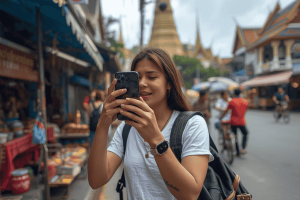
Bangkok is a city that pulses with energy. From the serene temples of Wat Arun to the bustling street food stalls of Yaowarat Road, every corner offers a new adventure. To capture and share these moments, you need reliable, fast, and affordable internet access.

Traveling to Vietnam means stepping into a world where ancient traditions blend with bustling modern life. Instead of scrambling to find a local SIM card kiosk, fighting language barriers, and fumbling with tiny plastic cards, you simply turn on your phone. You’re already connected.