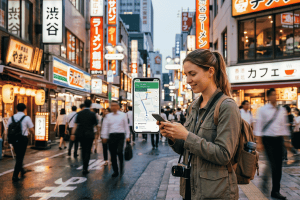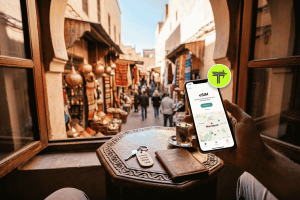
You’re now faced with the familiar traveler’s dilemma: hunt down a local SIM card vendor, navigate language barriers, and deal with tiny, easy-to-lose plastic chips. What if you could bypass this entire process? What if your phone could connect to a local network the moment you switched off airplane mode? This is the promise of eSIM technology. But can you really travel SIM-free with an eSIM? The answer is a resounding yes, and it’s changing the way we explore the world.
Unpacking the Magic: What Is an eSIM and How Does It Work?
Before we dive into the travel benefits, let’s clarify what an eSIM actually is. The “e” in eSIM stands for “embedded.” Unlike a traditional physical SIM (Subscriber Identity Module) card that you insert into your phone, an eSIM is a small, programmable chip that is built directly into your device’s motherboard.
Think of it as a digital SIM card. It holds all the information your device needs to connect to a cellular network, but it can be reprogrammed remotely. This means you no longer need to physically swap cards to change carriers or plans. You can download a new cellular plan, activate it, and get connected in minutes, all from your phone’s settings.
The Technology Behind the Convenience
The process is surprisingly simple for the user. Here’s a breakdown of how it works:
- Purchase a Plan: You buy an eSIM plan online from a provider for the country or region you’re visiting.
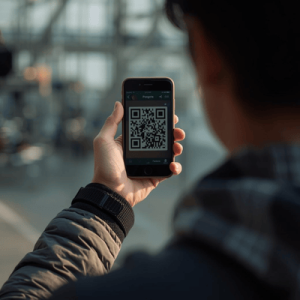
- Receive a QR Code: The provider emails you a QR code or provides instructions for manual activation.
- Scan and Activate: You go to your phone’s cellular settings, choose “Add Cellular Plan,” and scan the QR code.
- Get Connected: Your phone downloads the carrier profile and connects you to the local network as soon as you’re in the coverage area.
This seamless activation eliminates the need for physical stores, waiting in lines, or fumbling with SIM ejector tools. It’s a digital solution for a digital age of travel.
The Old Way vs. The New Way: eSIM vs. Physical SIM Card
To truly appreciate the shift, let’s compare the traditional travel connectivity experience with the modern eSIM approach. For decades, the physical SIM card was the only real option for avoiding outrageous roaming fees. While effective, it has its fair share of drawbacks.
| Feature | Physical SIM Card | eSIM |
| Activation | Requires finding a local store, purchasing a card, and physically inserting it. | Instant digital activation via QR code from anywhere with an internet connection. |
| Flexibility | Locked to one carrier. Changing plans means buying and swapping a new card. | Store multiple plans on one device. Switch between them with a few taps. |
| Security | Can be lost, stolen, or damaged, potentially losing your number and service. | Embedded in the device, so it cannot be physically lost or stolen. |
| Convenience | Involves carrying tiny cards and an ejector tool. Risk of losing your home SIM. | No physical components. Your home plan remains safely on your device. |
| Cost | Prices vary. Can involve tourist markups at airports. | Often more competitive, with transparent pricing for specific data packages. |
| Availability | Requires finding a store that’s open upon arrival. | Purchase anytime, even before you leave home. |
The convenience of an eSIM is a game-changer. Imagine arriving on a late-night flight in Tokyo. Instead of navigating a closed airport kiosk, you simply turn on your pre-installed Japan eSIM and order a taxi to your hotel without a second thought. That’s the freedom eSIM provides.
Why an eSIM is Your New Best Travel Companion
The benefits of using an eSIM for international travel extend far beyond just avoiding airport SIM card queues. It fundamentally improves the entire travel experience, from planning to returning home.
1. Instant Connectivity Upon Arrival
This is perhaps the most significant advantage. You can purchase and set up your eSIM before you even leave home. The moment your plane touches down and you turn off airplane mode, your phone automatically connects to the local network. No more frantic searches for airport Wi-Fi to let your family know you’ve landed or to book a ride. Your connection is immediate.
2. Unmatched Flexibility and Control
With an eSIM, your phone can hold multiple cellular profiles at once. This means you can keep your home number active for calls and texts while using the eSIM for affordable local data.
- A Real-World Example: Let’s say you’re on a multi-country trip through Europe, visiting France, Italy, and Germany. Instead of buying a new SIM card in each country, you can purchase a regional Europe eSIM that covers all your destinations. If you decide on a spontaneous weekend trip to the UK, you can simply add a UK-specific plan to your phone without disrupting your existing one. This level of flexibility was unimaginable with physical SIMs.
3. Enhanced Security
Physical SIM cards are small and easy to misplace. Losing your home SIM card while traveling can be a major headache, involving calls to your carrier to deactivate it and getting a replacement when you return. Worse, if your phone is stolen, a thief can simply remove the SIM card and use it.
An eSIM is embedded within your phone, so it can’t be physically removed or lost. This adds a layer of security, especially if your device is lost or stolen. You can remotely manage your plans, and thieves can’t simply pop out your SIM to prevent the phone from being tracked.
4. Cost-Effective and Transparent
International roaming charges from your home carrier can be astronomically high. While local SIM cards are cheaper, eSIM plans are often even more competitive and transparent. You know exactly what you’re paying for upfront—for instance, 10GB of data valid for 30 days. There are no hidden fees or surprise charges. You can choose a plan that perfectly matches the length of your trip and your expected data usage, preventing you from overpaying for data you don’t need.
Looking for a plan for your next adventure? Check out our affordable and reliable data plans for over 200 countries and regions. [plans_shortcode]
5. Environmentally Friendlier
While a small factor, it’s worth noting. Every physical SIM card is a piece of plastic, complete with larger plastic packaging. Over time, this adds up to significant plastic waste. eSIMs are entirely digital, eliminating the need for this plastic production and waste. It’s a small but positive step toward more sustainable travel.
Is Your Device eSIM-Compatible?
The biggest hurdle for travelers looking to make the switch is device compatibility. Because the technology involves a physical chip embedded in the phone, it cannot be retroactively added to older devices.
However, the good news is that most flagship smartphones manufactured since 2018 include eSIM support. This includes:
- Apple: iPhone XS, XR, and all subsequent models (including iPhone 11, 12, 13, 14, 15, 16, and SE series). Note that iPhone 14 and 15 models sold in the US are eSIM-only.
- Google: Pixel 3 and all later models.
- Samsung: Galaxy S20, Note 20, Fold, Flip series, and newer flagship models.
Compatibility is expanding rapidly to mid-range phones and even other devices like tablets (e.g., iPad Pro) and smartwatches.
How to Check for Sure:
The easiest way to confirm is to check your phone’s settings.
- On iPhone: Go to Settings > Cellular. If you see an option like “Add eSIM” or “Add Cellular Plan,” your phone is compatible.
- On Android: Go to Settings > Network & Internet. Look for an “Add eSIM” option or tap the “+” icon next to “Mobile Network.”
You can also dial *#06# on your phone. If an “EID” (eSIM ID) number appears in the device information, your phone supports eSIM.
A Step-by-Step Guide to Using an eSIM for Your Next Trip
Ready to ditch the plastic and go digital? Here’s a simple guide to getting started with an eSIM for your next international journey.
Step 1: Choose and Purchase Your eSIM Plan
Before your trip, browse eSIM providers online. Look for providers that offer coverage in your destination country or region. Consider these factors:
- Data Amount: How much data do you need? 1GB might be enough for a weekend of light browsing, but a two-week trip with lots of map usage and photo uploads might require 10GB or more.
- Validity Period: Ensure the plan’s duration covers your entire trip.
- Coverage: Is it a single-country or regional plan? Regional plans are great for multi-country itineraries.
- Price: Compare prices between different providers to get the best value.
Step 2: Install the eSIM on Your Device
After purchase, you will receive an email with your activation details, usually a QR code.
- Make sure you have a stable internet connection (Wi-Fi is best).
- Go to your phone’s cellular settings and select the option to add an eSIM.
- Scan the QR code with your phone’s camera.
- Follow the on-screen prompts to label your new plan (e.g., “Spain Data”) and configure its settings. Pro-tip: Do not activate the data roaming on your new eSIM until you have arrived at your destination to ensure the validity period doesn’t start early.
Step 3: Activate Upon Arrival
Once you land at your destination, it’s time to switch over.
- Go back to your cellular settings.
- Turn off data roaming for your primary (home) SIM to avoid expensive charges.
- Select your new eSIM for cellular data.
- Turn on data roaming for your eSIM plan.
- Within a few moments, your phone will connect to the local network, and you’ll see a new carrier name on your screen. You’re online!
Step 4: Manage Your Plans
Throughout your trip, you can easily manage your plans. You can keep your primary line active to receive calls and SMS texts (be mindful of roaming charges for answering calls) while using the eSIM for all your data needs. When you return home, simply switch your cellular data back to your primary plan and deactivate the eSIM. It will remain on your phone, ready to be topped up or used for a future trip.
The Verdict: Can You Really Travel SIM-Free with an eSIM?
So, back to our original question. Is a truly SIM-free travel experience possible with an eSIM? The answer is an emphatic yes. For the modern traveler with a compatible device, the eSIM is not just a novelty; it’s a superior alternative to every other option.
It eliminates the stress of finding connectivity upon arrival, offers greater flexibility than local SIMs, provides enhanced security for your device and primary number, and often comes at a more competitive price point than traditional roaming. The ability to prepare your connectivity in advance, from the comfort of your home, and be online the second you land is a transformative experience. It streamlines your journey, giving you more time to focus on what travel is truly about: discovery, connection, and making memories.
The era of hunting for tiny plastic SIM cards is over. The future of travel connectivity is digital, and it’s already here.
Ready to experience seamless, affordable, and instant connectivity on your next trip? Say goodbye to roaming fees and SIM card hassles. Explore our wide range of eSIM plans and get connected the moment you arrive.
Find your perfect travel eSIM plan now!