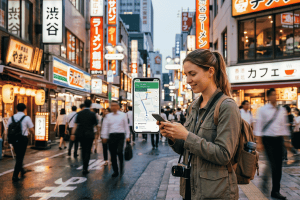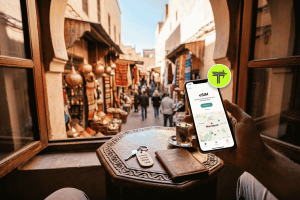
For years, the options were limited: pay exorbitant fees, hunt for local physical SIM cards in a new country, or rely solely on spotty public Wi-Fi. Fortunately, technology has evolved. The rise of the embedded SIM, or eSIM, has revolutionized global connectivity. This guide will walk you through everything you need to know about using an eSIM for international travel, helping you stay connected affordably and effortlessly, wherever your adventures take you. Say goodbye to bill shock and hello to seamless, stress-free travel communication.
What is an eSIM and How Does it Work for Travelers?
Before we dive into the cost-saving benefits, let’s clarify what an eSIM actually is. An eSIM (embedded Subscriber Identity Module) is a digital version of the traditional physical SIM card you’re used to. Instead of a small plastic chip that you insert into your phone, the eSIM is a tiny chip that’s built directly into your device’s motherboard during manufacturing. This fundamental difference is what makes it so powerful for travelers. You can’t lose it, and it can be reprogrammed remotely.
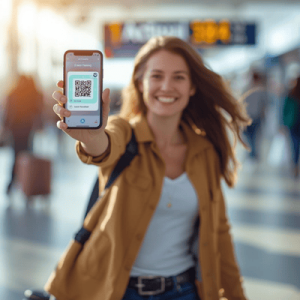
So, how does this technology work when you’re traveling? An eSIM stores multiple mobile network profiles simultaneously. Think of it like having several SIM cards stored digitally inside your phone. When you plan a trip to another country, you don’t need to buy a physical SIM card upon arrival. Instead, you can purchase a data plan from a global provider like Terminal eSIM before you even leave home. You’ll receive a QR code or an in-app prompt to activate your plan. Once you scan the code or follow the steps, your phone downloads the new network profile and connects you to a local carrier in your destination country as soon as you land.
This process eliminates the need to find a store, struggle with language barriers, or handle tiny, easy-to-lose plastic chips. You can keep your primary number for calls and texts while using the eSIM purely for affordable local data. This dual-SIM functionality is a key advantage, offering a perfect blend of convenience, control, and cost-effectiveness for anyone using an eSIM for international travel.
Your Practical Guide to Using an eSIM for International Travel
Making the switch to an eSIM is simple and can save you a significant amount of money and hassle. By following a few straightforward steps, you can ensure seamless connectivity from the moment you arrive at your destination. Here is a practical guide to help you get started with an eSIM for international travel.
First, you need to check if your device is eSIM-compatible. Most smartphones released in the last few years, including recent models from Apple, Google, and Samsung, support eSIM technology. A quick search of your phone’s model number or a check in your device’s settings under “Cellular” or “Mobile Data” will confirm this.
Once you’ve confirmed compatibility, the next step is to choose and purchase a plan.
- Browse Plans: Visit a provider like Terminal eSIM and explore the available data plans. You can choose a plan based on a specific country, a region (like Europe or Asia), or a global package covering multiple destinations.
- Select Your Data Package: Consider the length of your trip and your expected data usage. Plans typically vary by data amount (e.g., 1GB, 5GB, 10GB) and validity period (e.g., 7 days, 30 days). It’s often better to slightly overestimate your data needs to avoid running out.
- Complete Your Purchase: Once you’ve selected a plan, complete the purchase online. You will immediately receive an email with activation instructions, usually including a QR code.
Finally, activate your eSIM. It’s best to do this just before you depart or upon arrival when you have a stable internet connection.
- On iPhone: Go to Settings > Cellular > Add eSIM. Then, select “Use QR Code” and scan the code from your email.
- On Android: Go to Settings > Network & Internet > SIMs > Add a SIM. Scan the QR code provided.
Once activated, you can manage your SIMs in your phone’s settings. A great tip is to label your eSIM (e.g., “Spain Data”) to easily distinguish it from your primary line. Set your eSIM as the primary source for mobile data, and be sure to turn off data roaming on your home SIM to prevent any accidental charges.
Comparing Connectivity Options: eSIM vs. Physical SIM vs. Roaming
When traveling abroad, you have several options for staying connected. Each comes with its own set of advantages and disadvantages. Understanding these differences is key to making the best choice for your needs. The main contenders are using an eSIM for international travel, buying a local physical SIM card, or simply enabling international roaming with your home carrier.
Here is a table comparing these three popular options:
| Feature | eSIM for International Travel | Local Physical SIM | International Roaming |
| Convenience | Very High: Purchase and activate online anytime, anywhere. No physical swapping needed. | Medium: Requires finding a local store, potential language barriers, and registration. | High: Activated with a simple call or setting change with your home provider. |
| Cost | Low to Medium: Highly competitive pricing for data plans in specific regions or globally. | Low: Often the cheapest option for data in a single country, but requires upfront effort. | Very High: Notoriously expensive, with high per-MB data rates and potential for surprise bills. |
| Flexibility | High: Store multiple plans at once and switch between them easily. Great for multi-country trips. | Low: Tied to one carrier in one country. A new SIM is needed for each new country. | Medium: Works in many countries but is tied to the agreements of your single home carrier. |
| Setup Time | Fast: Activation takes only a few minutes via a QR code. | Slow: Can take an hour or more, including travel time, waiting in line, and setup. | Fast: Can be activated almost instantly, but sometimes requires a 24-hour notice. |
| Keeping Home Number | Yes: Easily keep your primary number active for calls and texts while using the eSIM for data. | Difficult: Requires a dual-SIM phone. Otherwise, you must remove your home SIM. | Yes: Your number remains the same, which is one of its few benefits. |
The comparison clearly shows that using an eSIM for international travel offers a superior balance of convenience, cost, and flexibility. While a local physical SIM might be slightly cheaper for a long stay in a single country, the ease of purchasing and activating an eSIM before you even leave home is a massive advantage. International roaming, though simple to turn on, remains the most expensive and unpredictable option by a wide margin, making it a poor choice for all but the most infrequent data users.
Traveler Questions and Trends Answered
As eSIM technology becomes more mainstream, travelers have questions about its practicality and future. From security concerns to the phase-out of physical SIM cards, understanding these trends can help you travel smarter. Let’s address some common queries and look at what’s next for mobile connectivity.
One of the biggest trends is the move by smartphone manufacturers to go “eSIM-only.” For example, iPhone models sold in the United States no longer have a physical SIM tray. This shift forces users to adopt eSIMs and signals a broader industry trend toward fully digital connectivity. While this simplifies device design and improves water resistance, it also means travelers must familiarize themselves with eSIM providers and activation processes.
Another trend is the expansion of regional and global eSIM plans. Providers are increasingly offering bundled packages that cover entire continents, like Europe or North America, with a single plan. This is incredibly useful for travelers visiting multiple countries on one trip, as they no longer need to buy a new plan for every border they cross. These flexible plans offer a “set it and forget it” experience, providing seamless data access across a wide geographic area.
Here are answers to some frequently asked questions:
- Is my data secure when using an international eSIM?
Yes, it is. An eSIM provides the same level of security as a physical SIM card. The data is encrypted, and you are connecting to legitimate, established local mobile networks. Reputable eSIM providers like Terminal eSIM partner with trusted carriers worldwide to ensure your connection is safe and reliable. - What happens if I use up all the data on my eSIM plan?
Most eSIM providers make it easy to top up your data. You can typically purchase additional data directly through the provider’s app or website. Some plans will stop working once the data is depleted, preventing any overage charges, while others may offer a slower, throttled speed. It’s always best to check the top-up policy before you buy. - Can I still receive calls and texts on my regular number with an eSIM active?
Absolutely. This is one of the key benefits of dual-SIM functionality. You can set your eSIM to be used for mobile data while keeping your primary line active for voice calls and SMS. This allows you to receive important calls or two-factor authentication codes on your home number without incurring data roaming charges. Just be sure to check your home carrier’s rates for receiving calls while abroad, as those may still apply.
Your Smartest Move for Global Connectivity
In summary, the landscape of international travel connectivity has been transformed for the better. We’ve moved past the days when staying in touch meant facing a choice between expensive roaming, inconvenient SIM card swaps, or total disconnection. The introduction and rapid adoption of eSIM technology have provided a modern solution that is efficient, affordable, and incredibly user-friendly.
We’ve covered what an eSIM is—a digital SIM embedded in your device—and how it allows you to download and activate data plans from anywhere in the world. By following a simple process of checking device compatibility, choosing a plan that fits your trip, and activating it with a QR code, you can land in a new country with instant, low-cost data. A comparison with traditional options reveals the clear superiority of the eSIM, which masterfully blends the convenience of roaming with the affordability of a local SIM. With the ability to keep your home number active for calls while using the eSIM for data, you truly get the best of both worlds.
Stay Connected Effortlessly with Terminal eSIM
Your travels should be about creating memories, not worrying about mobile data. Whether you’re a digital nomad hopping between countries, a frequent business traveler, or someone taking a well-deserved vacation, seamless connectivity is essential. An eSIM for international travel simplifies your journey, removing the stress of finding Wi-Fi or the fear of a massive phone bill. It puts you in complete control of your data usage and costs.
Imagine stepping off the plane and instantly being able to navigate to your hotel, let your family know you’ve arrived safely, or check your email without a second thought. That is the freedom and peace of mind that Terminal eSIM provides. Our plans are designed for modern travelers, offering extensive coverage in over 190 countries, flexible data packages, and transparent pricing. There are no hidden fees and no contracts—just simple, reliable data when and where you need it most.
Don’t let roaming charges dictate how you use your phone abroad. Prepare for your next adventure by embracing the smarter way to stay connected.
Explore the world of hassle-free travel data. Browse plans on TerminaleSIM.com today and travel connected.