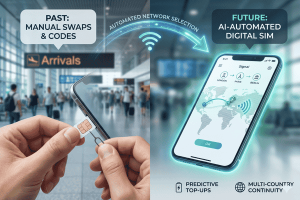
This digital SIM card is built directly into your device, allowing you to activate a mobile data plan from a provider like Terminal eSIM without needing a physical card. For the modern traveler, this isn’t just a convenience; it’s a game-changer.
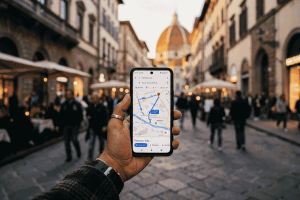
Imagine landing in a new country and being online within minutes, ordering a ride-share, or pulling up a map without a second thought. This is the freedom an embedded SIM provides. In certain destinations, this technology shifts from a “nice-to-have” to an absolute “must-have.” Whether it’s due to complex local regulations, the sheer size and diversity of a country, or the high cost of traditional roaming, an eSIM simplifies connectivity. This guide will walk you through the ten countries where leveraging an embedded SIM will transform your travel experience, making it smoother, more affordable, and completely stress-free.
What Is an Embedded SIM and Why Does It Matter for Travel?
Before we explore the destinations, let’s understand the technology that makes it all possible. An embedded SIM is a small, programmable chip built directly into your smartphone, tablet, or smartwatch. Unlike a traditional plastic SIM card that you must physically insert and swap, an eSIM is activated digitally. You can download and install a data plan from a global provider directly onto your device.
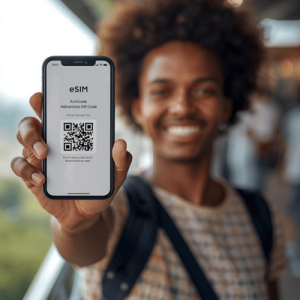
Think of it like an app for your mobile connection. You simply scan a QR code or follow a few simple steps in your phone’s settings, and you’re connected to a local network. This offers incredible flexibility. You can store multiple eSIM profiles on a single device and switch between them as you cross borders. For example, you could have a plan for Europe, another for Asia, and a third for North America, all ready to go on one phone.
The advantages for travelers are significant:
- Instant Connectivity: Activate your plan the moment you land. There’s no need to find a store, struggle with language barriers to buy a local SIM, or deal with complicated registration processes.
- Cost-Effectiveness: Roaming charges from your home carrier can be exorbitant. Local physical SIMs can also be pricey for short-term visitors. eSIM plans, like those from Terminal eSIM, are often far more affordable and transparent, offering a set amount of data for a fixed price.
- Enhanced Security: A physical SIM card can be lost or stolen, potentially compromising your number and personal information. An embedded SIM is tied to your device, making it a more secure option.
- Dual SIM Capability: Most eSIM-compatible phones still have a physical SIM slot. This means you can use your eSIM for affordable travel data while keeping your primary number active for calls and texts from home. It’s the best of both worlds.
For anyone who has ever felt the frustration of being disconnected abroad, the embedded SIM is a powerful solution. It puts you in control of your connectivity, allowing you to focus on what truly matters: enjoying your journey.

How to Get Connected: Your Guide to Using an Embedded SIM
Making the switch to an embedded SIM is surprisingly straightforward. The process is designed to be user-friendly, getting you online in just a few minutes. Here’s a step-by-step guide to get you started with a provider like Terminal eSIM.
Step 1: Check Your Device Compatibility
First and foremost, you need to ensure your device supports eSIM technology. Most flagship smartphones released since 2018 are compatible. This includes:
- iPhone XS, XR, and all newer models.
- Google Pixel 3 and all newer models.
- Samsung Galaxy S20, Note 20, Fold, Flip, and all newer models.
- Many other devices from manufacturers like Huawei, Motorola, and Oppo.
A quick search for your device model plus “eSIM compatible” will give you a definitive answer. You can also check the specifications list on the manufacturer’s website.
Step 2: Choose and Purchase Your Plan
Once you’ve confirmed your device is ready, it’s time to select a data plan. Visit a global eSIM provider like Terminal eSIM and browse the available options. You can purchase plans for individual countries, specific regions (like Europe or Asia), or even a global plan that covers over 100 destinations.
Consider these factors when choosing a plan:
- Destination: Where are you traveling?
- Duration: How long will you need the data? Plans typically range from 7 to 30 days or more.
- Data Amount: How much data do you need? A 5GB plan is usually sufficient for a week of moderate use (maps, messaging, social media), while frequent streamers or remote workers might need 20GB or more.
Complete the purchase online. You will immediately receive an email with your eSIM activation details, usually in the form of a QR code.
Step 3: Install and Activate Your eSIM
This is the magic moment. With your QR code handy, follow these simple instructions on your phone:
For iPhone:
- Go to Settings > Cellular (or Mobile Data).
- Tap Add Cellular Plan (or Add eSIM).
- Use your phone’s camera to scan the QR code from your email.
- Follow the on-screen prompts to label your new plan (e.g., “Travel eSIM”) and set it as your data line.
For Android (Samsung/Pixel):
- Go to Settings > Network & Internet.
- Tap the plus sign (+) next to Mobile Network.
- Select Download a SIM instead? (or Add eSIM).
- Scan the QR code and follow the activation instructions.
You can install the eSIM before you leave home. Just remember to turn it on and switch your mobile data to the eSIM profile once you arrive at your destination to avoid any roaming charges from your primary carrier.
Top 10 Countries Where an eSIM Is Essential
While an eSIM is useful anywhere, it becomes a true necessity in certain countries. Local regulations, high tourist traffic, and connectivity challenges can make traditional SIMs a hassle. Here are the top 10 destinations where an embedded SIM will save you time, money, and stress.
| Country | Why an eSIM is a Must-Have | Top Activities Requiring Data |
| Japan | Physical SIMs often require a Japanese residency card or involve complex registration. Vending machine SIMs can be unreliable. | Navigating extensive train systems with apps, translating menus, using Google Maps in dense cities like Tokyo and Kyoto. |
| USA | The country is vast, and carrier coverage varies. Tourist SIMs can be expensive with limited options at airports. | Road trips requiring constant GPS, booking domestic flights and hotels on the go, using ride-sharing apps like Uber/Lyft. |
| India | Getting a local SIM requires extensive paperwork (passport copy, photo, local address proof) and can take hours or days to activate. | Booking train tickets online, using Ola/Uber, navigating chaotic city streets, staying connected during long-distance travel. |
| China | Strict internet regulations (the “Great Firewall”) mean many Western apps are blocked. eSIMs can provide a smoother connection. | Using VPN-enabled services, translation apps like Baidu Translate, messaging on WeChat, mobile payments with Alipay. |
| Brazil | Obtaining a local SIM requires a CPF (Brazilian tax ID number), which is impossible for most tourists to get. | Ordering rides in Rio or São Paulo, translating Portuguese, finding your way to landmarks like Christ the Redeemer or Iguazu Falls. |
| Germany | German law requires registration with a valid ID for all SIM cards, a process that can be slow and bureaucratic for visitors. | Using public transport apps (DB Navigator), looking up museum hours in Berlin, finding hiking trails in the Bavarian Alps. |
| Switzerland | Known for being one of the most expensive countries in Europe, its local SIM cards and roaming costs reflect this. | Checking ski conditions in the Alps, navigating lake ferries, using the SBB Mobile app for train travel. |
| Canada | Canada’s mobile data plans are among the most expensive in the world. An eSIM from a global provider is far more budget-friendly. | Navigating national parks like Banff and Jasper, finding your way around large cities like Toronto and Vancouver. |
| Turkey | If you use a foreign phone with a local Turkish SIM for more than 120 days, you must register and pay a high tax on the device. | Using navigation in Istanbul’s Grand Bazaar, booking hot air balloon rides in Cappadocia, using translation apps. |
| South Korea | Famous for its hyper-connectivity, but many free Wi-Fi spots require a local phone number for verification. | Using Kakao Maps (preferred over Google Maps), navigating Seoul’s subway, booking KTX train tickets on the go. |
In each of these countries, an eSIM bypasses the local hurdles. In Japan and Brazil, you avoid impossible registration requirements. In India, you skip the bureaucratic nightmare. In expensive countries like Switzerland and Canada, you save a significant amount of money. For vast nations like the USA, you get reliable, multi-carrier coverage without being locked into one network. An embedded SIM offers a universal solution to these diverse local challenges.
 United StatesUnited States 1GB 7DaysBuy now
USD 5.00
- United StatesUnited States 3GB 30DaysBuy now
USD 9.00
- United StatesUnited States 5GB 30DaysBuy now
USD 15.00
- United StatesUnited States 10GB 30DaysBuy now
USD 24.24
- United StatesUnited States 20GB 30DaysBuy now
USD 37.00
- United StatesUnited States 50GB 180DaysBuy now
USD 49.00
Common Questions and Concerns About eSIMs
As with any new technology, travelers often have questions. Let’s address some of the most common concerns to help you feel confident about making the switch to an embedded SIM.
FAQs About Using an Embedded SIM Abroad
- Can I still use my regular phone number with an eSIM?
Yes, absolutely. This is one of the biggest benefits of eSIM technology. Most compatible phones have dual-SIM functionality. You can keep your physical SIM card from your home carrier active for receiving calls and text messages (including verification codes) while using your travel eSIM for all mobile data. This setup prevents your home carrier from charging you for data roaming while keeping you reachable on your primary number. - What happens if I use up all my data?
It’s easy to manage your data with an eSIM. Most providers, including Terminal eSIM, allow you to top up your plan or purchase a new one directly from their app or website. You’ll often receive a notification when you’re running low on data. Since the eSIM is already installed on your device, adding more data is a quick, digital process that takes only a few minutes. You won’t have to find a physical store or buy another card. - Is an eSIM secure?
An eSIM is generally more secure than a physical SIM card. Because it’s embedded in your device, it cannot be physically removed and stolen. This prevents someone from hijacking your phone number by putting your SIM card into another phone. The activation process is also secure, typically tied to a unique QR code sent directly to your email, adding another layer of protection. - What if I have trouble activating my eSIM?
eSIM providers offer customer support to help with any activation issues. Before you travel, it’s a good idea to install your eSIM while you still have a reliable internet connection at home. This way, if you run into any trouble, you can contact support easily. Most issues are minor and can be resolved by checking your phone’s settings to ensure the eSIM is turned on and selected as the primary source for mobile data. - Can I switch my eSIM to a new phone?
Unlike a physical SIM, you cannot simply move an eSIM from one device to another. An eSIM profile is tied to the specific device it was installed on. If you get a new phone, you will need to purchase and install a new eSIM plan for that device. However, you can store multiple eSIM profiles on a single phone, making it easy to switch between different plans for different destinations.
Summary: A Smarter Way to Stay Connected
Traveling in the 21st century demands modern solutions. The days of expensive roaming bills and the frustrating hunt for local SIM cards are numbered. The embedded SIM has emerged as the definitive tool for the savvy global traveler, offering a blend of convenience, affordability, and control that was previously out of reach. It simplifies connectivity, allowing you to touch down in a new country and get online instantly, without bureaucratic red tape or hidden fees.
We’ve explored how this technology works, from its simple digital activation to its powerful dual-SIM capabilities. We’ve also highlighted the top 10 countries—including Japan, India, Brazil, and the USA—where the local challenges make an embedded SIM not just a helpful gadget but an essential part of your travel kit. In these places, an eSIM bypasses complex registration laws, saves you from exorbitant costs, and provides reliable coverage where you need it most. By addressing common concerns, it’s clear that the eSIM is a secure, flexible, and user-friendly technology built for the road.
Unlock Your Next Adventure with Terminal eSIM
Your travel experience should be about creating memories, not worrying about your mobile bill. An embedded SIM from Terminal eSIM empowers you to explore the world with confidence, knowing you have seamless, affordable data at your fingertips. Whether you’re a digital nomad working from a café in Seoul, a backpacker navigating the streets of New Delhi, or a family on a road trip across the United States, we have a plan that fits your journey.
Forget about SIM card swaps and surprise roaming charges forever. With Terminal eSIM, you get:
- Instant connectivity in over 100 countries.
- Affordable, transparent pricing with no hidden fees.
- The flexibility to choose the perfect data plan for your trip.
- The convenience of keeping your home number active.
Your next adventure is calling. Stay connected every step of the way.
Explore data plans and get your embedded SIM today at Terminal eSIM.