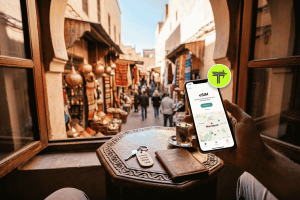
The search for Wi-Fi begins, or worse, you face the dread of expensive roaming charges. This scenario is all too common for international travelers. For years, staying connected in Europe meant juggling pricey roaming plans, hunting for local SIM cards, or being tethered to unreliable public Wi-Fi.
Fortunately, there’s a much smarter way to travel. The solution is an eSIM—a digital SIM card that allows you to activate a cellular plan without needing a physical nano-SIM. For anyone planning a European adventure, switching to an eSIM is a game-changer. It offers convenience, affordability, and seamless connectivity from the moment you land. This guide will walk you through everything you need to know about using an eSIM in Europe, from how it works to why it’s the best choice for modern travelers. Get ready to say goodbye to connectivity stress and hello to a smoother, more connected journey.
What Is an eSIM and Why Is It Perfect for Europe?
To understand why an eSIM is so beneficial for European travel, it helps to know what it is and how it differs from the traditional SIM cards we’ve used for decades. A SIM (Subscriber Identity Module) card is a tiny chip that connects your phone to a mobile network. For a long time, these were purely physical objects you had to insert into your device. An eSIM, or embedded SIM, is a modern evolution of this technology. It’s a small chip that is built directly into your phone’s hardware.
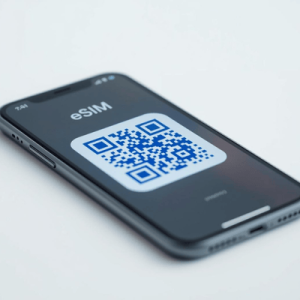
Instead of swapping physical cards, you download a digital “eSIM profile” from a provider like Terminal eSIM. This profile contains all the information needed to connect to a local network. Think of it like a virtual SIM card that you can activate with a simple QR code scan or through an app. Most modern smartphones, including recent iPhone and Android models, are eSIM-compatible.
So, why is this technology particularly suited for a trip to Europe? European travel often involves visiting multiple countries. With a physical SIM card, you might need to buy a new one in each country to avoid roaming fees, which is a significant hassle. An eSIM for Europe, however, can provide coverage across the entire continent with a single plan. You can land in Portugal, take a train to Spain, and fly to Italy without ever losing your connection or needing to change your settings. This seamless, multi-country coverage is the primary reason why travelers are embracing eSIM technology. It eliminates the logistical nightmare of finding SIM vendors in every new city and lets you focus on what truly matters: enjoying your trip.

Your Practical Guide to Using an eSIM in Europe
Making the switch to an eSIM for your European travels is surprisingly simple. It’s a straightforward process that you can complete from home before you even start packing. This ensures you have data available the second your plane touches down. Follow these steps to get connected and stay online effortlessly throughout your journey.
Step 1: Check Your Phone’s Compatibility
First, confirm that your smartphone supports eSIM technology. Most flagship phones released since 2018 have this feature. This includes:
- iPhones: iPhone XR, XS, and all newer models.
- Google Pixel: Pixel 3 and all newer models.
- Samsung Galaxy: Galaxy S20, Note 20, Fold, Flip, and most newer high-end models.
You can usually find this information in your phone’s settings under “Cellular” or “Mobile Data.” A quick search online for your specific model and “eSIM compatibility” will also give you a clear answer.
Step 2: Choose and Purchase Your European eSIM Plan
Once you’ve confirmed your phone is ready, it’s time to select a plan. Providers like Terminal eSIM offer a variety of options tailored for Europe. Consider these factors when choosing:
- Data Amount: How much data will you need? If you primarily use maps and messaging, a smaller plan might suffice. If you plan on streaming videos or working remotely, opt for a larger data package.
- Duration: Plans are available for different trip lengths, from a few days to a month or more. Match the plan’s validity to your travel itinerary.
- Coverage: Ensure the plan covers all the countries you intend to visit. Most European eSIM plans cover the entire EU and often other nearby countries like the UK and Switzerland.
You can purchase your plan directly from the provider’s website. After payment, you will receive an email containing a QR code and activation instructions.
Step 3: Install and Activate Your eSIM
It’s best to install your eSIM before you leave for your trip, while you have a stable internet connection. The process is quick:
- Go to your phone’s settings and find the option to “Add Cellular Plan” or “Add eSIM.”
- Your phone will prompt you to scan the QR code from the email you received.
- Follow the on-screen instructions to label your new eSIM (e.g., “Europe Travel”). This helps you distinguish it from your primary SIM.
- Keep your primary line turned on for calls and texts but set your new eSIM as the default for mobile data. This prevents your home carrier from charging you for roaming.
When you land in Europe, your phone will automatically connect to a local network using your new eSIM plan. You’ll have instant internet access without any further steps. It’s that easy.
Comparing Your Connectivity Options for Europe
When planning a trip to Europe, staying connected is a top priority. While an eSIM is a fantastic solution, it’s helpful to see how it stacks up against other common options. Understanding the pros and cons of each method can help you make the best choice for your travel style and budget.
Here is a comparison of the most popular ways to get mobile data while traveling in Europe:
| Feature | eSIM (e.g., Terminal eSIM) | International Roaming | Local Physical SIM | Pocket Wi-Fi |
| Convenience | Excellent. Instant activation via QR code before you travel. | Good. Works automatically, but can be hard to track usage. | Poor. Requires finding a store, registration, and swapping cards. | Fair. Need to carry and charge an extra device. |
| Cost | Excellent. Highly affordable, prepaid data plans with no hidden fees. | Poor. Notoriously expensive, with high per-MB rates and daily fees. | Good. Generally affordable, but you may need a new one for each country. | Fair. Involves rental fees, data limits, and potential deposit. |
| Flexibility | Excellent. Plans cover multiple countries. Easy to top up or switch plans. | Fair. Plans are often rigid and tied to your home carrier’s terms. | Poor. Often locked to a specific country, requiring a new SIM for new destinations. | Fair. Can connect multiple devices, but tied to one network. |
| Coverage | Excellent. Partners with top-tier networks across the continent. | Good. Relies on your home carrier’s partner networks. | Good. Strong coverage within the specific country. | Fair. Coverage can be spotty depending on the device’s network. |
| Setup | Easy. Scan a QR code at home. Ready to use upon arrival. | None. Enabled by default, but can lead to bill shock. | Difficult. Language barriers, ID requirements, and store hours. | Moderate. Requires pickup/delivery and setup of the device. |
As the table shows, an eSIM provides a superior balance of convenience, cost, and flexibility. International roaming, while simple, often leads to unexpectedly high bills. Buying a local physical SIM card can be cost-effective but is inconvenient, especially when hopping between countries. Pocket Wi-Fi devices add another piece of hardware to carry, charge, and potentially lose. For the modern traveler looking for a seamless and stress-free solution, an eSIM is the clear winner. It combines the ease of roaming with the affordability of a local SIM, giving you the best of both worlds.
Common Questions and Concerns About European Travel
Switching to a new technology can bring up questions. Whether you’re a seasoned traveler or a first-timer, you want your connectivity to be reliable. Here, we address some common concerns and frequently asked questions about using an eSIM in Europe, along with the latest trends shaping travel connectivity.
One major trend is the rise of the “workcation” or digital nomad lifestyle. More people are blending travel with work, making a stable internet connection non-negotiable. An eSIM is perfect for this, providing the reliable data needed for video calls, file sharing, and staying connected with colleagues, all without being dependent on hotel Wi-Fi. This flexibility is transforming how people experience Europe, allowing for longer, more immersive stays.
Another concern for travelers is security. Public Wi-Fi networks in cafes, airports, and hotels are notoriously insecure and can expose your personal data to risks. Using your own secure cellular data via an eSIM bypasses this issue entirely. You can check your bank account, book tickets, and send sensitive information with peace of mind, knowing your connection is private and protected.
Frequently Asked Questions (FAQs)
- Can I still receive calls and texts on my regular phone number?
Yes! Most modern smartphones have Dual SIM capabilities. This means you can keep your primary physical SIM active for calls and texts from your home number while using your European eSIM for all mobile data. This setup gives you the best of both worlds: you remain reachable on your main number while avoiding expensive data roaming charges from your home carrier. - What happens if I use up all my data?
Running out of data mid-trip is a common worry, but with an eSIM, it’s easy to solve. Most providers, including Terminal eSIM, allow you to top up your data directly through their website or app. You can purchase another data package, and it will be added to your plan almost instantly. There’s no need to find a store or buy a new card; a few clicks are all it takes to get back online. - Will an eSIM work in all European countries?
The vast majority of European eSIM plans are designed for continent-wide travel. A single plan from Terminal eSIM typically covers all European Union (EU) member states, plus other popular destinations like the United Kingdom, Switzerland, Norway, and Iceland. Before you buy, always check the country list on the plan details page to ensure it matches your itinerary perfectly. - Is my phone unlocked? Do I need it to be for an eSIM?
For an eSIM to work, your phone must be “carrier-unlocked.” This means it isn’t tied to a contract with a specific mobile provider. If you bought your phone outright from a manufacturer like Apple or Samsung, it is likely unlocked. If you purchased it through a carrier, you might need to contact them to have it unlocked. This is a crucial step to check before purchasing an eSIM.
Your Smarter European Journey Starts with an eSIM
A trip to Europe is an experience filled with history, culture, and unforgettable moments. The last thing you want to worry about is how you’ll stay connected. From navigating the ancient streets of Rome with GPS to instantly sharing a photo of the Eiffel Tower, a reliable data connection is essential for the modern traveler. For too long, the options were a frustrating trade-off between exorbitant costs and major inconveniences.
The arrival of eSIM technology has completely changed the game. It provides a seamless, affordable, and powerful solution that fits perfectly with the dynamics of European travel. By choosing an eSIM, you eliminate the need to hunt for local SIM cards in every new country. You bypass the shocking bills that come with international roaming. You secure your personal data by avoiding risky public Wi-Fi networks.
Instead, you get instant connectivity from the moment you arrive. You can activate your plan from the comfort of your home and enjoy a single, consistent data plan across dozens of countries. An eSIM empowers you to travel with more freedom and confidence, knowing that maps, translators, and connections with loved ones are always just a tap away. It’s the smart, simple, and stress-free choice for any trip to Europe.
Connect Across Europe with Terminal eSIM
Are you ready to transform your travel experience? An eSIM from Terminal eSIM is your key to effortless and affordable connectivity throughout your European adventure. Whether you’re a backpacker on a multi-country tour, a digital nomad working from a café in Lisbon, or a family on a two-week vacation, our plans are designed to meet your needs. Enjoy high-speed data across the continent without the hassle of physical SIM cards or the fear of roaming charges.
With Terminal eSIM, you get more than just data. You get the freedom to explore without limits. You get the peace of mind that comes with a secure, reliable connection. Installation is as simple as scanning a QR code, and our support team is here to help you every step of the way. Don’t let connectivity issues hold you back. Make the smart switch today.
Explore our affordable, high-speed European eSIM plans and get ready for your most connected trip yet!