Thanks to the innovation of the eSIM card, you can now connect to reliable data networks around the world with just a few taps—no extra hardware required. This modern solution is reshaping the way we stay connected, eliminating common travel headaches and bringing convenience, flexibility, and cost savings to anyone on the move.
The eSIM card represents more than a simple upgrade—it’s a complete reimagining of mobile connectivity tailored for the needs of today’s travelers. Whether you’re a frequent flyer, a digital nomad, or exploring new destinations for fun, embracing this technology offers you a smarter and more seamless journey. In this article, we’ll explore how eSIM cards work, why they’re becoming essential for global travel, and how you can make the most of this digital progression.
This shift represents more than just a minor tech upgrade. It’s a fundamental change in how we experience travel, offering unparalleled convenience, flexibility, and cost savings. Whether you’re a vacationer, a business traveler, or a digital nomad, understanding this technology is key to unlocking smarter, more efficient journeys. In this article, we’ll explore the rise of the eSIM, explain how it works, and show you why it has become an essential tool for modern travel.
From Physical to Digital: The Evolution of the SIM Card
To appreciate the innovation of the eSIM, it helps to look back at its physical predecessor. The Subscriber Identity Module (SIM) card was first developed in the early 1990s. This small, portable chip stores information that authenticates your identity with a mobile carrier, allowing you to make calls, send texts, and use data. Over the years, the physical SIM card has shrunk dramatically, evolving from the credit card-sized original to the Mini, Micro, and finally, the Nano-SIM we are familiar with today.
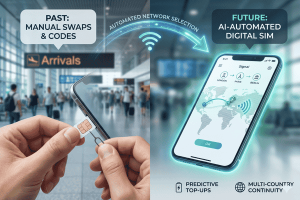
Despite these changes, the core limitation remained: it was a physical object. To switch carriers or use a local network abroad, you had to physically remove and replace this tiny piece of plastic. This process is often inconvenient. It involves finding a paperclip or special tool to open the SIM tray, risking damage to the delicate card, and keeping track of your home SIM so you don’t lose it. For international travelers, this meant either paying high roaming charges or spending precious time searching for a local SIM provider upon arrival, often navigating language barriers and confusing plan options.
The eSIM, or embedded SIM, solves these problems by digitizing the entire process. Instead of a physical chip you insert, the eSIM is a small, rewritable chip built directly into your device’s hardware during manufacturing. This “embedded” nature means you can activate a cellular plan from a new provider without needing a new physical card. You simply download a carrier’s profile over a Wi-Fi connection, and your phone is ready to go. This technology allows you to store multiple carrier profiles on a single device, switching between them with just a few taps in your phone’s settings. It’s the next logical step in mobile evolution, trading physical limitations for digital freedom.
Getting Started: Your Practical Guide to Using an eSIM Card
Making the switch to an eSIM card for your travels is simpler than you might think. It streamlines connectivity, giving you more time to enjoy your destination. Follow these steps to get set up for your next adventure.
1. Check Your Device Compatibility
First, ensure your smartphone is eSIM-compatible. Most newer models from major manufacturers like Apple, Google, and Samsung support eSIM technology. A quick way to check is to go into your phone’s settings:
- On iPhone: Go to Settings > Cellular. If you see an option like “Add eSIM” or “Add Cellular Plan,” your phone is compatible.
- On Android: Navigate to Settings > Network & Internet. Look for an option related to “SIMs” or “Mobile Network.” If you see a “+” icon or “Add eSIM,” you’re good to go.
A quick search online for your specific model and “eSIM compatibility” will also give you a definitive answer.
2. Choose and Purchase Your eSIM Plan
Once you’ve confirmed compatibility, it’s time to select a plan. Providers like Terminal eSIM offer a wide range of data packages tailored for different countries and regions. Consider these factors when choosing:
- Destination: Are you visiting a single country or multiple? Regional plans (e.g., for Europe or Asia) can be more cost-effective for multi-destination trips.
- Data Amount: How much data will you need? Think about your usage habits. Are you just using maps and messaging, or will you be streaming videos and making video calls? Plans typically range from 1GB to 20GB or more.
- Duration: Match the plan’s validity period to the length of your trip. Plans can last from a few days to a month or longer.
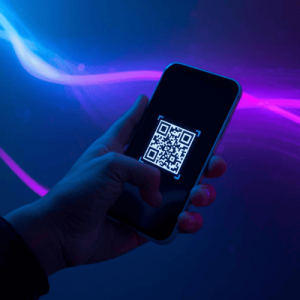
Purchasing is done online. After payment, you will receive a QR code via email.
3. Install and Activate Your eSIM
This is where the magic happens. Before you travel (or upon arrival, using Wi-Fi), you’ll activate the plan.
- Connect your phone to a stable Wi-Fi network.
- Go back to your phone’s cellular or network settings where you found the “Add eSIM” option.
- Select this option and choose to use a QR code.
- Scan the QR code you received in your email with your phone’s camera.
- Follow the on-screen prompts to label your new eSIM (e.g., “Europe Data”) and set it as your primary or secondary data line. It’s often best to set it for “cellular data” while keeping your home SIM active for calls and texts, avoiding roaming charges.
Once you land, your phone will automatically connect to the local network.
eSIM vs. Physical SIM vs. Roaming: A Traveler’s Comparison
Choosing how to stay connected abroad can be confusing. Each option—eSIM, a local physical SIM, or using your home provider’s roaming service—has its own set of advantages and disadvantages. Understanding these differences helps you make the best choice for your travel style and budget.
The table below breaks down the key features of each method.
| Feature | eSIM Card | Physical Local SIM | International Roaming |
| Activation Process | Instant digital activation via QR code before you travel. | Requires finding a store, purchasing a card, and physical installation upon arrival. | Automatic activation, but may require enabling it in your account settings. |
| Convenience | Extremely high. No need to swap cards; activate anytime, anywhere with Wi-Fi. | Low. Involves airport kiosks or city stores, potential language barriers, and registration. | High. Works automatically as soon as you land, using your existing number. |
| Cost-Effectiveness | Very high. Competitive, transparent pricing with no hidden fees. | High. Often offers great local rates, but requires research and effort to find. | Very low. Typically the most expensive option, with high per-MB data rates. |
| Flexibility | Excellent. Store multiple plans for different countries and switch between them easily. | Limited. Tied to one carrier in one country. Multi-country trips require multiple SIMs. | Good. Works in many countries, but plan coverage and costs can vary widely. |
| Phone Number | Data-only plans don’t include a number. You keep your home number for calls/texts. | You are assigned a new, local phone number, which can be inconvenient for contacts. | You keep your home phone number for all services, which is simple and familiar. |
| Best For | Savvy travelers, digital nomads, and anyone wanting immediate, hassle-free data. | Long-term stays in a single country or travelers on a very tight budget. | Short business trips where convenience is prioritized over cost. |
In summary, the eSIM card strikes the perfect balance between convenience and cost. It eliminates the logistical hurdles of physical SIMs while providing a much more affordable alternative to expensive international roaming plans. For the modern traveler who values efficiency and control, the eSIM is the clear winner.
The Future of Travel: Trends and Traveler FAQs
The adoption of eSIM technology is accelerating, driven by both consumer demand and industry trends. As more travelers discover the benefits, device manufacturers and mobile networks are pushing this technology forward, making it a standard feature rather than a novelty.
One of the most significant trends is the move toward eSIM-only devices. Apple led this charge in the United States with the iPhone 14, which removed the physical SIM tray entirely. This design choice simplifies manufacturing, improves water resistance, and pushes a broader adoption of digital SIMs. We can expect other manufacturers to follow suit, eventually making the physical SIM card obsolete. Another trend is the expansion of specialized eSIM providers like Terminal eSIM, which focus exclusively on creating flexible, affordable data plans for travelers. These companies are unbundling data from traditional carrier contracts, offering a marketplace where consumers can pick the exact plan they need for their trip without any long-term commitments.
For travelers, this means more choices, better prices, and greater control over global connectivity. As this ecosystem matures, we’ll likely see even more integrated services, such as purchasing an eSIM directly through a travel booking app or airline website.
Frequently Asked Questions (FAQs)
- Can I still use my regular phone number with an eSIM?
Yes. Most smartphones with eSIM capability are also dual-SIM. This means you can keep your primary physical SIM active for calls and texts from your home number while using the eSIM for affordable mobile data at your destination. This setup gives you the best of both worlds. - What happens if I change or lose my phone?
Unlike a physical SIM you can just move to a new device, an eSIM profile is tied to the specific device it was installed on. If you get a new phone, you will need to purchase and install a new eSIM plan. Because the plans are digital and often prepaid, you don’t lose an account or long-term number, just the active data plan. - Is my data secure when using an eSIM?
Yes, eSIM technology follows the same high-security standards set by the GSMA (the global association for mobile operators) as traditional SIM cards. Your connection is securely encrypted, ensuring your data is just as safe as it would be with a physical SIM from a major carrier.
A Smarter Way to See the World
The days of stressful airport searches for a local SIM card or returning home to a shocking phone bill are numbered. The rise of the eSIM card has permanently changed the landscape of travel connectivity, placing power, flexibility, and affordability directly into the hands of the traveler. We’ve seen how this technology evolved from its physical predecessors to offer a truly seamless digital experience. From its easy activation process to the ability to manage multiple plans on a single device, the eSIM addresses nearly every pain point associated with staying connected abroad.
By offering a practical alternative to both inconvenient local SIMs and costly roaming plans, the eSIM has established itself as the superior choice for almost every type of traveler. It provides immediate data access upon arrival, transparent pricing, and the freedom to choose a plan that perfectly fits your itinerary. This shift isn’t just about convenience; it’s about making travel more efficient and enjoyable. With an eSIM, you can spend less time worrying about logistics and more time immersing yourself in your destination, sharing moments, and navigating with ease.
Stay Connected on Your Next Journey with Terminal eSIM
For digital nomads who need reliable internet to work from anywhere, frequent flyers hopping between countries, or families wanting to stay in touch on vacation, consistent connectivity is non-negotiable. An eSIM card is no longer a luxury—it’s an essential part of the modern traveler’s toolkit. It empowers you to take control of your mobile data, saving you time, money, and unnecessary stress.
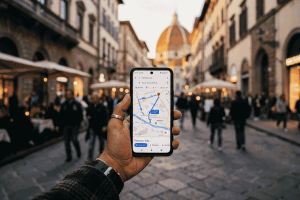
By choosing an eSIM, you are embracing a smarter, more streamlined way to explore the world. You’re ensuring that from the moment you land, you have the data you need to call a ride, check a map, or let loved ones know you’ve arrived safely. The future of travel is connected, and the eSIM card is your key to unlocking it.
Ready to experience the freedom of seamless global data? Explore the flexible and affordable plans at Terminal eSIM and find the perfect connection for your next adventure.