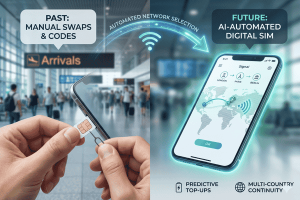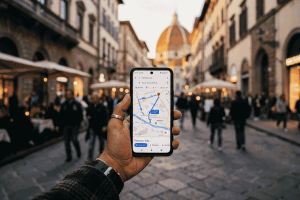
This is where eSIM technology changes the game for modern travelers. An eSIM, or embedded SIM, is a digital SIM that allows you to activate a cellular plan without needing a physical nano-SIM. With the right device, you can connect to a local network in minutes, often before you even step off the plane. Choosing from the growing list of eSIM compatible phones is the first step toward seamless, affordable global connectivity. This guide will walk you through everything you need to know to select the perfect phone for your travels, ensuring you stay connected effortlessly wherever your adventures take you.
What is an eSIM and Why is it a Traveler’s Best Friend?
At its core, an eSIM is a small chip embedded directly into your phone’s motherboard. Unlike a traditional physical SIM card that you must insert and swap, an eSIM can be programmed and reprogrammed remotely. This means you can download and activate a cellular data plan from a provider like Terminal eSIM directly from your device. The technology has been around for a few years but has recently gained massive traction, with major smartphone manufacturers making it a standard feature in their flagship models.
For travelers, the benefits are immense. Imagine landing in a new country and being able to connect to the internet instantly. There’s no need to find a local mobile shop, struggle with a language barrier to buy a SIM card, or use a paperclip to fumble with a tiny SIM tray. With an eSIM, you can purchase a data plan for your destination before you even leave home. Upon arrival, you simply activate the plan, and your phone connects to the local network. This immediate access is perfect for booking a ride from the airport, checking your hotel reservation, or letting family know you’ve arrived safely.
Furthermore, most eSIM compatible phones also support Dual SIM functionality. This allows you to use both your regular physical SIM (for calls and texts from your home number) and an eSIM (for affordable local data) at the same time. This dual capability gives you the best of both worlds: you remain reachable on your primary number while avoiding steep data roaming fees. This flexibility and convenience make eSIMs an indispensable tool for anyone who travels, whether for a week-long vacation, a business trip, or a long-term digital nomad lifestyle.
A Practical Guide to Finding eSIM Compatible Phones
Finding the right device is the most important step in unlocking the power of eSIM technology. The good news is that the list of eSIM compatible phones is expanding rapidly every year. Here’s a step-by-step guide to help you choose the best one for your travel needs.
1. Check for eSIM Support on Your Current Phone
Before you consider buying a new device, check if your current one already supports eSIM. Many smartphones manufactured from 2018 onwards have this capability.
- For iPhone users: Go to Settings > Cellular (or Mobile Data). If you see an option like “Add Cellular Plan” or “Add eSIM,” your iPhone is compatible. Generally, iPhone XS, XR, and all later models support eSIM.
- For Android users: The process can vary slightly by manufacturer. A common path is Settings > Network & Internet > SIMs (or a similar menu). Look for an option to “Add eSIM” or a “Download a SIM instead?” prompt. Major Android brands with eSIM support include Google’s Pixel series (from Pixel 3 onwards), Samsung’s Galaxy S series (from S20 onwards), and many others.
2. Research New and Unlocked Phones
If you’re in the market for a new phone, prioritizing eSIM compatibility is a smart move for any traveler. When researching, pay close attention to these factors:
- Unlocked vs. Carrier-Locked: Always opt for an “unlocked” phone. A carrier-locked phone is tied to a specific mobile provider and may restrict you from using eSIM plans from other companies. Unlocked phones offer the freedom to use any carrier, including global eSIM providers like Terminal eSIM.
- Model Specifications: Don’t assume every model from a compatible series has eSIM. Sometimes, versions made for specific regions (like mainland China) may lack eSIM functionality. Always double-check the detailed specifications on the manufacturer’s official website or on trusted tech review sites.
- 5G and Band Compatibility: For the fastest speeds, look for a phone that supports a wide range of 5G and 4G/LTE bands. This ensures your device can connect to the best available networks in different countries.
3. Consider Your Travel Style
The best phone for a casual vacationer might differ from that for a digital nomad.
- For the Frequent Flyer: If you travel often, a flagship phone like a recent iPhone, Google Pixel, or Samsung Galaxy is an excellent investment. These devices offer robust eSIM management, allowing you to store multiple eSIM profiles and easily switch between them.
- For the Budget Traveler: You don’t need the latest and greatest model to enjoy eSIM benefits. Many mid-range phones and older flagship models offer eSIM support at a more affordable price point. A refurbished or second-hand iPhone 12 or Google Pixel 5, for example, is a fantastic and budget-friendly option.
By following these practical steps, you can confidently identify and choose from a wide range of eSIM compatible phones that will serve as your reliable connection hub on all your future journeys.
Comparing Top eSIM Compatible Phones for Travelers
Navigating the market for a new smartphone can be overwhelming. To simplify your decision, we’ve created a comparison of some of the top eSIM compatible phones, focusing on features that matter most to travelers. This table highlights key differences in eSIM capabilities, battery life, and camera quality—three pillars of a great travel phone.
| Feature | Apple iPhone 15 Pro | Google Pixel 8 Pro | Samsung Galaxy S24 Ultra |
| eSIM Capability | Dual eSIM support; can store 8+ eSIM profiles. No physical SIM tray in US models. | Dual SIM with one physical SIM and one eSIM; can store multiple profiles. | Dual SIM with one physical SIM and one eSIM; can store multiple profiles. |
| Battery Life | Excellent all-day performance, optimized for efficiency. Supports fast charging. | Strong all-day battery life with Extreme Battery Saver mode for extended use. | Best-in-class battery, often lasting more than a full day with heavy use. |
| Camera System | Pro-level triple-lens system with exceptional low-light performance and video recording. | Advanced computational photography with features like Magic Eraser and Best Take. | Highly versatile quad-camera setup with a powerful 10x optical zoom lens. |
| Traveler’s Edge | Seamless integration with Apple ecosystem. Very intuitive eSIM setup process. | AI-powered features like Live Translate are perfect for overcoming language barriers. | The included S Pen is great for jotting notes, editing photos, and navigating maps. |
| Price Point | Premium | Premium | Premium |
Key Takeaways from the Comparison
As the table shows, today’s leading flagship phones all offer robust eSIM support, but they cater to slightly different user preferences.
- The iPhone 15 Pro is a fantastic choice for those already in the Apple ecosystem. Its user-friendly interface makes adding and managing eSIMs incredibly simple. For users in the US, the move to eSIM-only models solidifies its commitment to the technology.
- The Google Pixel 8 Pro stands out with its powerful AI features. The ability to translate conversations in real-time or magically remove unwanted people from your travel photos makes it an incredibly smart travel companion.
- The Samsung Galaxy S24 Ultra is the powerhouse for the user who wants it all. Its unmatched battery life and incredible zoom lens mean you can capture distant landmarks and stay powered up through long travel days without worry.
Ultimately, the best choice depends on your personal needs and budget. However, all three are top-tier eSIM compatible phones that will significantly enhance your travel experience.
Common Questions and Future Trends in eSIM Technology
As eSIMs become more common, travelers naturally have questions about how the technology works and what to expect next. Addressing these concerns can help you feel more confident in making the switch. Here, we tackle some frequently asked questions and look at the exciting future of eSIM compatible phones.
Frequently Asked Questions (FAQs)
- Can I use my eSIM and my regular SIM at the same time?
Yes, absolutely. This feature is called Dual SIM, Dual Standby (DSDS). Most eSIM compatible phones allow you to have both your physical SIM and an eSIM active simultaneously. This is ideal for travelers who want to receive calls and texts on their home number while using an affordable eSIM for data. You can easily select which line to use for data in your phone’s settings. - Is it difficult to set up an eSIM?
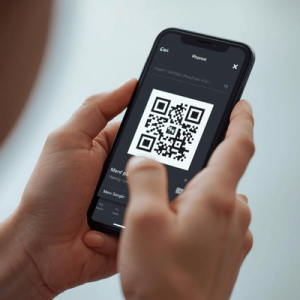
Not at all. The process is remarkably simple. After purchasing an eSIM plan from a provider like Terminal eSIM, you will typically receive a QR code via email. On your phone, you’ll navigate to the cellular settings, select “Add eSIM,” and scan the QR code with your camera. Your phone will then guide you through a few quick steps to activate the plan. The entire process takes just a few minutes. - What happens to my eSIM if I lose my phone?
Losing your phone is always stressful, but your eSIM is more secure than a physical SIM card. Since the eSIM is embedded in the device, a thief cannot remove it and place it in another phone to access your plan or number. Your eSIM profile is digitally tied to your device and can be deactivated remotely by your provider. When you get a new phone, you can simply download and install a new eSIM profile. - Are eSIMs available for every country?
eSIM coverage is expanding at an incredible pace. Providers like Terminal eSIM offer plans for over 200 countries and regions. While there might be a few remote locations without eSIM support, you can find affordable data plans for virtually every major travel destination. Always check the provider’s coverage list before your trip.
The Future of Connectivity: eSIMs and iSIMs
The trend is clear: physical SIM cards are on their way out. Apple’s decision to remove the physical SIM tray from its US iPhone models is a strong signal of where the industry is heading. In the coming years, we can expect more manufacturers to release eSIM-only devices. This shift will make phones more durable (with one less opening for water and dust to enter) and free up internal space for other components, like a larger battery.
Looking even further ahead, the next evolution is the iSIM, or integrated SIM. This technology integrates the SIM functionality directly into the phone’s main processor (SoC). This will make devices even smaller, more power-efficient, and more secure. While iSIMs are still in the early stages, they represent the ultimate goal: seamless, built-in global connectivity for everyone.
Your Passport to Seamless Global Connectivity
To recap, choosing the right phone is your first and most important step toward unlocking a world of hassle-free travel connectivity. The move away from traditional physical SIM cards to embedded SIMs is one of the most significant advancements for international travelers in recent memory. An eSIM frees you from the hunt for local SIMs and protects you from the shock of exorbitant roaming bills.
By understanding what an eSIM is, you can appreciate its core benefits: convenience, cost-effectiveness, and control. You can land in a new country and be online in seconds. You can keep your home number active for important calls while using a local data plan. This flexibility is a game-changer. Our practical guide showed you how to check your current device for compatibility and what to look for when shopping for new eSIM compatible phones, emphasizing the importance of unlocked devices and broad network band support.
The comparison of top models from Apple, Google, and Samsung illustrates that while flagship phones offer premium features, the core benefit of easy eSIM management is becoming a standard. Whether you’re a frequent business traveler or a budget-conscious backpacker, there is an eSIM-ready phone that fits your needs. As the technology continues to evolve, embracing it now puts you ahead of the curve, ensuring your future adventures are as connected and smooth as possible.
Get Ready for Your Next Trip with Terminal eSIM
Now that you know how to choose the perfect eSIM compatible phone, the final step is to pair it with a flexible and affordable data plan. Stop worrying about connectivity and start focusing on what truly matters: experiencing the world. With an eSIM, you hold the power to connect instantly in over 200 destinations, all without touching a physical SIM card.
For digital nomads, frequent flyers, and holiday-makers alike, Terminal eSIM offers a simple solution to stay online. Our platform makes it easy to browse, purchase, and activate a data plan for your next destination in just a few taps. Say goodbye to expensive roaming charges and hello to seamless connectivity from the moment you land. Enjoy the freedom to navigate a new city, share your experiences with loved ones, and work from anywhere without interruption.
Are you ready to transform the way you travel? Explore the affordable, convenient data plans available for your next adventure.