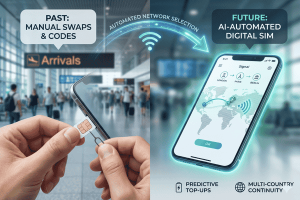
Now, a simpler, more powerful solution has emerged: the eSIM. This digital SIM card is revolutionizing global travel by offering instant, affordable data access right from your phone.
If you’ve ever wondered about the best way to get mobile data while traveling, this guide is for you. We will explore what an eSIM is, how it works, and why it’s a superior choice for modern globetrotters. We’ll walk you through the practical steps to buy and activate an eSIM, compare it to traditional options, and answer your most pressing questions. By the end, you’ll understand why savvy travelers are making the switch and how you can join them for seamless connectivity on your next adventure.
What Is an eSIM and How Is It Changing Travel?
At its core, an eSIM (or embedded SIM) is a digital version of the physical SIM card you’re used to. Instead of a tiny plastic chip that you need to insert into your phone, the eSIM is a small microchip that is already built into your device. This technology allows you to download and activate a cellular plan from a provider without needing to swap physical cards. Think of it like an app for your mobile data plan; you simply choose a plan, install it, and you’re connected.
The concept isn’t entirely new—eSIM technology has been around since 2016. However, its adoption has accelerated dramatically as more smartphone manufacturers, including Apple, Google, and Samsung, have integrated it into their latest models. This shift has opened up a world of possibilities for travelers. Before eSIMs, staying connected internationally meant either paying exorbitant roaming charges from your home carrier or going through the hassle of finding a local SIM card vendor upon arrival. This often involved language barriers, complicated registration processes, and the risk of losing your primary SIM card.
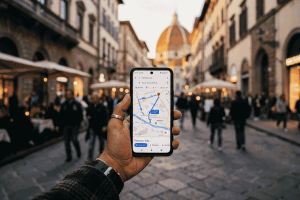
eSIMs eliminate these problems entirely. You can purchase a data plan for your destination before you even leave home. For example, if you’re flying from New York to Japan, you can buy an eSIM for Japan while still in your living room. The moment your plane lands in Tokyo, you can activate your eSIM plan and have immediate access to high-speed data for navigating with maps, booking a ride, or letting family know you’ve arrived safely. This level of convenience and control is why eSIMs are becoming the new standard for international travelers, offering a seamless bridge between your digital life and your global explorations.
A Practical Guide to How You Can Buy an eSIM
Switching to an eSIM for your travels is a straightforward process that gives you complete control over your connectivity. It removes the stress of post-trip bill shock and the inconvenience of hunting for a physical SIM card in a new country. Here’s a simple, step-by-step guide to help you buy an eSIM and get it working on your device.
First, you need to ensure your phone is eSIM-compatible. Most smartphones released in the last few years support eSIM technology. This includes iPhone models from the XS and XR onward, Google Pixel 3 and newer, and many recent Samsung Galaxy devices. A quick search for your phone model plus “eSIM compatibility” will give you a definitive answer. Your phone also needs to be unlocked from your carrier to use an eSIM from a different provider.
Once you’ve confirmed your device is ready, the next step is to choose an eSIM provider. Marketplaces like Terminal eSIM offer a wide range of plans for hundreds of countries and regions. This allows you to compare data amounts, validity periods, and prices to find the perfect fit for your trip.
Here’s the process in a few easy steps:
- Choose Your Destination and Plan: Visit an eSIM provider’s website, select the country or region you’re traveling to, and browse the available data plans. Consider the length of your trip and your expected data usage. Are you just checking emails and maps, or will you be streaming videos and making video calls?
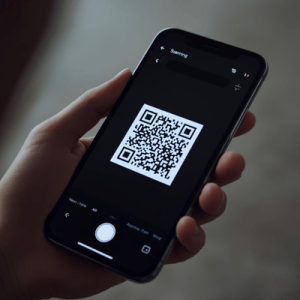
- Purchase the Plan: Once you’ve selected a plan, complete the purchase online. You will typically receive an email almost instantly containing a QR code and manual installation instructions.
- Install the eSIM: On your phone, go to your cellular or mobile data settings. You’ll find an option to “Add eSIM” or “Add Cellular Plan.” You can either scan the QR code from your email or enter the details manually. Your phone will guide you through the quick installation process. It’s best to do this while you have a stable Wi-Fi connection before you depart.
- Activate Upon Arrival: Keep your eSIM “turned off” until you reach your destination. Once you land, simply go back into your cellular settings, turn on your newly installed eSIM, and enable data roaming for it. Your phone will connect to the local network, and you’ll have data access immediately.
That’s it! You’ve successfully activated your travel data plan without swapping cards or visiting a store. This simplicity empowers you to land and go, fully connected from the moment your adventure begins.
eSIM vs. Physical SIM vs. Roaming: A Comparison
When it comes to staying connected abroad, travelers now have several options. Understanding the differences between them can help you make an informed decision that saves you money and hassle. Let’s compare eSIMs, traditional physical SIM cards, and international roaming plans from your home carrier.
Here is a breakdown of how these three options stack up against each other:
| Feature | eSIM (e.g., Terminal eSIM) | Local Physical SIM Card | International Roaming |
| Activation | Instant digital activation via QR code before you travel. | Requires finding a store, purchasing, and physically swapping cards upon arrival. | Activated through your home carrier, often with a daily fee or expensive add-on plan. |
| Convenience | Highest. Purchase and install from anywhere. Keep your home number active for calls/texts. | Low. Involves airport kiosks or city stores, potential language barriers, and registration. | High. Activates automatically, but at a significant cost. |
| Cost | Very affordable. Data-only plans are highly competitive and transparent. | Generally affordable for data, but can be confusing to compare plans. | Extremely expensive. Often charges high daily rates or per-MB data fees. |
| Flexibility | High. Store multiple eSIM profiles and switch between them easily. | Low. One physical SIM slot means you have to remove your primary SIM. | Low. Tied to your home carrier’s limited and costly international packages. |
| Best For | Savvy travelers, digital nomads, and anyone wanting immediate, hassle-free connectivity. | Budget-conscious, long-term travelers who don’t mind the initial setup inconvenience. | Short business trips where convenience is prioritized over cost, or for emergencies. |
In summary, eSIMs offer the best of both worlds: the convenience of roaming without the shocking price tag. They provide the cost-effectiveness of a local SIM without the logistical headaches. For example, with an eSIM from a provider like Terminal eSIM, you can purchase a 10 GB plan for Europe for a fraction of what a week of international roaming would cost. Meanwhile, you keep your primary physical SIM active, so you can still receive calls and texts on your regular number. This dual-SIM functionality is a game-changer, giving you unparalleled flexibility and peace of mind.
Common Questions and Concerns About Using an eSIM
As with any new technology, travelers often have questions about how eSIMs work and whether they are a reliable option. Let’s address some of the most common concerns to help you feel confident about making the switch.
One major trend driving eSIM adoption is the move by manufacturers like Apple to create eSIM-only phones in certain regions, such as the United States. This means new iPhones in these markets no longer have a physical SIM tray, making eSIM the default way to connect. As this trend expands globally, understanding and using eSIMs will become an essential skill for all mobile users, not just travelers. This shift future-proofs the technology and encourages more providers to offer competitive eSIM plans.
Another concern for travelers is reliability. Is an eSIM as stable as a physical SIM? The answer is yes. An eSIM connects to the exact same cellular networks that a physical SIM card would use. Providers like Terminal eSIM partner with top-tier local carriers in each country to ensure you receive strong, reliable coverage and fast data speeds. The technology itself is simply the method of delivering the plan to your phone; the quality of the connection depends on the local network partner, which reputable eSIM marketplaces choose carefully.
Here are a few frequently asked questions:
- Can I still receive calls and texts on my regular phone number?
Yes. One of the biggest advantages of an eSIM is that it allows for Dual SIM functionality. You can use an eSIM for data while keeping your primary physical SIM (or another eSIM) active for calls and texts from your home number. This lets you stay connected to family and friends without paying for data roaming. - What happens if I use up all my data?
Most eSIM providers make it easy to top up your data plan directly through their app or website. You can purchase more data on the go without needing to install a new eSIM. This is far more convenient than having to find another store to buy a new physical SIM card. - Is my phone compatible with eSIM?
The majority of smartphones released since 2018 are eSIM-compatible. This includes iPhone XS/XR and newer, Google Pixel 3 and newer, and high-end Samsung Galaxy models. Always check your specific device model’s specifications online or in its settings before you buy an eSIM. - Can I use the same eSIM in multiple countries?
Absolutely. Many providers offer regional or global eSIM plans that cover multiple countries under a single package. For example, you can buy a European eSIM that works across Italy, France, Spain, Germany, and more. This is perfect for multi-destination trips, as you won’t need to switch plans every time you cross a border.
By addressing these concerns, it’s clear that eSIMs are not just a trend but a practical, reliable, and superior solution for modern travel connectivity.
The Smart Choice for Your Next Trip
To sum it all up, the case for switching to an eSIM for international travel is incredibly strong. We’ve seen that eSIMs offer a powerful combination of convenience, affordability, and flexibility that older methods simply can’t match. By allowing you to purchase and install a data plan digitally before you even leave home, eSIMs eliminate the all-too-common stress of finding connectivity upon arrival in a new country.
You no longer have to choose between paying for expensive international roaming packages from your home carrier or navigating the hassle of buying a physical SIM card abroad. With an eSIM, you get immediate access to local networks at a fraction of the cost, all while keeping your primary phone number active for important calls and texts. The ability to store multiple plans and switch between them effortlessly makes eSIMs an ideal solution for multi-country itineraries and for frequent travelers who value efficiency. As smartphone technology continues to evolve, with many new devices becoming eSIM-only, embracing this innovation is the smartest way to stay connected on the go.
Stay Connected Seamlessly with Terminal eSIM
Your travels should be about creating memories, not worrying about mobile data. Imagine landing in a new country and being instantly connected—ready to navigate to your hotel, look up the best local restaurant, or share your first vacation photo without a second thought. This is the freedom that Terminal eSIM provides. We believe that staying connected abroad should be simple, transparent, and affordable.
For the modern traveler, digital nomad, or frequent flyer, our service is designed to remove connectivity barriers. With plans covering hundreds of destinations worldwide, you can find the perfect data package for your journey in just a few clicks. Stop overpaying for roaming and forget the hassle of physical SIM cards. It’s time to travel smarter.
Explore our affordable, high-speed data plans for your next destination and experience the future of travel connectivity today.