
This seamless experience is the reality of traveling with an embedded SIM, or eSIM. It’s a small, digital chip built directly into your smartphone, and it’s completely changing the way we stay connected abroad.
For decades, travelers had two main options: pay exorbitant roaming charges or go through the hassle of buying and swapping physical SIM cards in every new destination. Both came with significant drawbacks, from cost to convenience. The embedded SIM eliminates these challenges, offering a modern, flexible, and cost-effective solution for globetrotters, digital nomads, and casual vacationers alike. This technology allows you to download and activate a data plan from a local carrier right from your phone, giving you immediate access to affordable mobile data wherever your journey takes you. In this article, we’ll explore the seven key reasons why an embedded SIM is quickly becoming an indispensable tool for every modern traveler.
What Is an Embedded SIM and How Does It Work?
Before we dive into the benefits, let’s clarify what an embedded SIM actually is. Unlike the traditional plastic SIM (Subscriber Identity Module) cards you have to physically insert into your phone, an embedded SIM is a programmable chip that is permanently soldered onto your device’s motherboard. Think of it as a digital, rewritable SIM card that you never have to remove or replace. This technology has been around for a few years, initially appearing in devices like smartwatches and tablets, but it is now a standard feature in most new smartphones from major manufacturers like Apple, Google, and Samsung.
So, how does it work? An embedded SIM stores multiple cellular profiles simultaneously. A cellular profile contains all the information your phone needs to connect to a specific mobile network, just like a physical SIM card. The magic happens when you want to switch carriers or add a new plan for your travels. Instead of buying a physical card, you simply purchase a data plan from a provider like Terminal eSIM through an app or website. You will then receive a QR code or an in-app prompt to install the new cellular plan.
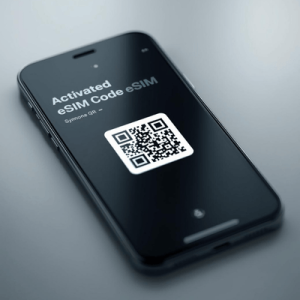
Once you scan the QR code with your phone’s camera, the new profile is downloaded and installed directly onto your embedded SIM. You can then activate this plan whenever you’re ready, such as upon arrival at your destination. Your phone can hold several of these profiles at once, allowing you to switch between them with a few taps in your device’s settings. For example, you can keep your home plan active for calls and texts while using an affordable eSIM data plan for internet access abroad. This dual-SIM capability gives you unprecedented control and flexibility over your mobile connectivity.
Your Guide to Getting Started with an Embedded SIM
Making the switch to an embedded SIM is surprisingly simple. If you have a compatible device, you’re just a few steps away from unlocking a world of convenient and affordable mobile data. This technology is designed for ease of use, removing the technical barriers and physical annoyances of traditional SIM cards. Here is a practical guide to help you get started on your first eSIM journey.
1. Check Your Device Compatibility
The first and most important step is to confirm that your smartphone supports eSIM technology. Most flagship phones released since 2018 have this feature.
- For iPhone users: iPhone XR, XS, and all subsequent models (including iPhone 11, 12, 13, 14, 15 series and SE models) are eSIM-compatible.
- For Android users: Google Pixel 3 and later, Samsung Galaxy S20 and later, and many other high-end devices from manufacturers like Huawei, Motorola, and Oppo include embedded SIM support.
- Quick Tip: A simple way to check is to go to your phone’s settings. On an iPhone, look under “Cellular.” If you see an option like “Add eSIM” or “Add Cellular Plan,” your device is compatible. On Android, this is often found under “Network & Internet” > “SIMs.”
2. Choose Your eSIM Provider and Plan
Once you’ve confirmed your phone is ready, it’s time to select an eSIM provider. Companies like Terminal eSIM specialize in offering data plans for hundreds of countries and regions. When choosing a plan, consider the following:
- Destination: Are you visiting a single country, or do you need a regional plan for places like Europe or Asia?
- Data Amount: How much data will you need? Providers offer various packages, from 1 GB for a short trip to 50 GB or more for a month-long stay.
- Plan Duration: eSIM plans come with a validity period, such as 7 days, 15 days, or 30 days. Choose one that matches the length of your trip.
3. Install and Activate Your eSIM
After purchasing a plan, you will receive instructions for installation, which typically involves scanning a QR code.
- Before You Travel: It’s best to install your eSIM profile while you still have a stable internet connection at home. Go to your phone’s cellular settings, select “Add eSIM,” and scan the QR code provided by your provider.
- Label Your Plans: Your phone will prompt you to label your new eSIM plan (e.g., “Travel Data” or “Spain eSIM”). This helps you easily distinguish it from your primary plan.
- Activate on Arrival: Keep your new eSIM plan turned off until you land at your destination. Once you arrive, simply go back into your cellular settings, turn on the eSIM, and enable data roaming for it. Within moments, your phone will connect to the local network, and you’ll have internet access.
Embedded SIM vs. Traditional Connectivity Options
For travelers, the choice of how to stay connected has expanded significantly. While an embedded SIM offers modern advantages, it’s helpful to see how it stacks up against traditional methods like physical SIM cards and international roaming. This comparison highlights the key differences in convenience, cost, and flexibility.
| Feature | Embedded SIM (e.g., Terminal eSIM) | Local Physical SIM Card | International Roaming Plan |
| Activation | Instant digital activation via QR code before or upon arrival. | Requires finding a store, purchasing a physical card, and manual installation. | Activated through your home carrier, often requiring a call or online setup. |
| Cost | Highly competitive and transparent. Pay-as-you-go data packs avoid surprise fees. | Generally affordable for local data, but requires an upfront purchase. | Typically the most expensive option, with high per-MB/GB rates and daily fees. |
| Convenience | No need to swap cards. Keep your primary number for calls and texts. | Must physically remove and store your home SIM card, risking loss or damage. | Convenient as it uses your home number, but at a significant cost premium. |
| Flexibility | Store multiple eSIM profiles and switch between them instantly. | One SIM card per plan. Need a new card for each new country. | Locked into one carrier’s network and their specific roaming partners and rates. |
| Best For | Frequent travelers, digital nomads, and anyone seeking convenience and cost control. | Long-term stays in a single country where a local number might be needed. | Short business trips where convenience is prioritized over cost and the employer covers expenses. |
In summary, an embedded SIM provides the best of both worlds: the convenience of roaming without the exorbitant cost, and the affordability of a local SIM without the physical hassle. The ability to prepare your connectivity before you even leave home makes it a superior choice for the modern traveler who values efficiency and control.
Traveler FAQs and Common Concerns About eSIMs
As with any new technology, travelers often have questions and concerns before fully embracing the switch to an embedded SIM. From worries about keeping their home number to questions about performance, it’s important to address these points directly. Here are answers to some of the most frequently asked questions about using an eSIM for travel.
1. Will I lose my primary phone number if I use an embedded SIM?
No, you will not lose your primary phone number. This is one of the biggest advantages of dual-SIM phones with eSIM capability. You can keep your physical SIM card (or primary eSIM) active for receiving calls and text messages on your regular number. At the same time, you can set your travel eSIM as the designated source for mobile data. This setup allows you to avoid your home carrier’s expensive data roaming charges while remaining reachable on your main number for important communications.
2. Is eSIM data speed as fast as a physical SIM?
Yes, an embedded SIM provides the exact same performance as a physical SIM card. The technology of the SIM itself—whether physical or embedded—does not determine the speed of your connection. Your data speed is determined by the mobile network you are connected to and the quality of its infrastructure (e.g., 4G/LTE, 5G). When you use a travel eSIM from a provider like Terminal eSIM, you are connecting to the same top-tier local networks that a physical SIM card user would. You can expect reliable, high-speed data for browsing, maps, and streaming, just as you would with a local physical SIM.
3. What happens if I lose my phone with an eSIM installed?
Losing your phone is always stressful, but an embedded SIM offers more security than a physical one. Because an eSIM cannot be physically removed from the device, a thief cannot take it out and use it in another phone to access your data plan or potentially intercept two-factor authentication codes sent via SMS. Your cellular profiles are protected by your phone’s lock screen and security features. You can remotely wipe your device to delete all data, including the eSIM profiles. When you get a new device, you can simply contact your eSIM provider to have your plan reissued for your new phone.
4. Can I reuse my travel eSIM for another trip?
Most travel eSIMs are sold as prepaid, data-only plans for a specific duration and are not rechargeable or reusable. Once the data is used up or the validity period expires, the plan is finished. However, this is not a major drawback. The process of buying and installing a new eSIM for your next trip is so quick and easy that it’s just like buying a new ticket. Furthermore, you can delete old or expired profiles from your phone to free up space for new ones, keeping your device organized.
Your Journey, Seamlessly Connected
To recap, the shift toward embedded SIM technology marks a significant leap forward for travelers. It addresses the most common pain points associated with staying connected abroad—high costs, inconvenience, and a lack of flexibility. With an embedded SIM, you gain immediate, affordable access to local networks in hundreds of destinations without ever needing to swap a physical card.
We’ve explored how this digital solution allows you to maintain your primary number for calls and texts while using a separate, cost-effective data plan. We’ve seen how easy it is to get started by simply scanning a QR code and activating your plan upon arrival. The comparison with traditional methods clearly shows that for most travel scenarios, an embedded SIM offers an unbeatable combination of price, convenience, and control. It’s a secure, reliable, and forward-thinking technology that puts the power of global connectivity right at your fingertips, letting you focus on what truly matters: enjoying your journey.
Unlock the World with Terminal eSIM
Are you ready to say goodbye to roaming fees and the hassle of physical SIM cards forever? The future of travel connectivity is here, and it’s simpler and more affordable than you think. Whether you’re a digital nomad hopping between continents, a family heading on an annual vacation, or a business traveler needing reliable internet on the go, an embedded SIM is your perfect travel companion.
At Terminal eSIM, we provide reliable, high-speed data plans for over 190 countries and regions. Our platform is designed to get you connected in minutes, so you can spend less time worrying about your phone and more time exploring. Browse our extensive list of destinations, choose the data package that fits your needs, and experience the freedom of seamless connectivity.
Visit Terminal eSIM today and make your next trip the most connected one yet.