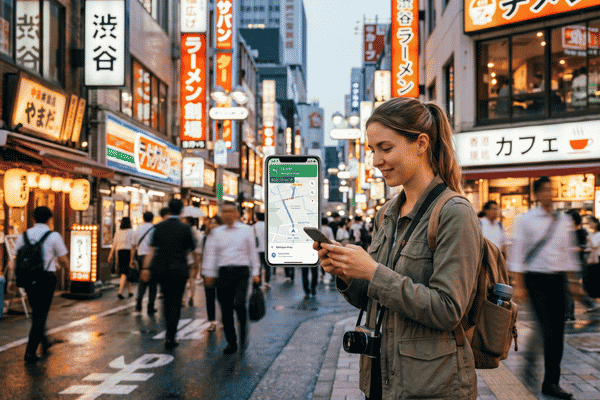
If you are planning a trip to Japan, you already know that reliable internet isn’t just a luxury—it’s a survival tool. Navigating the complex underground maze of Tokyo Station, translating a menu full of kanji in a hidden Osaka alleyway, or tracking the precise platform for your next Shinkansen bullet train all require steady data.
For years, the default choices for tourists were renting a pocket Wi-Fi device or hunting down a physical tourist SIM card at Narita or Haneda airport. However, travel connectivity has shifted heavily toward digital eSIMs.
But is an eSIM actually the best esim for japan, or is it just hype? Let’s break down the realities, the pros, the quirks, and how it holds up against traditional options out in the real world.
The Reality of Getting Connected in Japan
Japan is one of the most technologically advanced countries in the world, yet its public Wi-Fi infrastructure can be surprisingly fragmented. Free city Wi-Fi often requires complicated registration screens, regularly drops your connection, or simply doesn’t work when you are moving between subway lines. To get around smoothly, you need your own dedicated data.
Historically, travelers fell into two camps:
- The Pocket Wi-Fi Crew: Renting a small routing brick that you carry in your bag, keeping your phone connected via local Wi-Fi.
- The Physical SIM Crew: Swapping out your domestic plastic SIM card for a Japanese tourist SIM upon arrival.
eSIMs change the equation completely. An eSIM (embedded SIM) is a digital profile downloaded directly onto your phone’s internal chip. There is no physical card to swap and no extra hardware to charge.
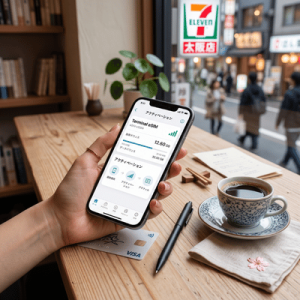

eSIM vs. Pocket Wi-Fi vs. Physical SIM Cards
To understand if a digital profile is right for you, it helps to see how it performs in actual travel scenarios compared to old-school alternatives.
| Feature | Travel eSIM | Pocket Wi-Fi Router | Physical Tourist SIM |
| Physical Burden | None. It lives on your phone. | Must carry, protect, and charge daily. | Must swap cards; risk losing your home SIM. |
| Airport Experience | Buy online, install before you fly, connect instantly on landing. | Line up at a kiosk to pick up and return the device. | Line up at an airport shop or vending machine. |
| Device Sharing | Most allow hotspotting (varies by provider). | Excellent for connecting multiple laptops/tablets. | Allowed, but drains phone battery quickly. |
| Hardware Risks | None. | Heavy fees if lost, broken, or returned late. | Small risk of scratching the tray or dropping the card. |
The Pocket Wi-Fi Reality Check
Pocket Wi-Fi used to be the gold standard for Japan. It is still brilliant if you are a digital nomad traveling with a laptop, a tablet, and a partner, needing massive shared data pools.
But for the solo traveler or couple, it comes with chores. You have to remember to charge it every night. If it dies by 4:00 PM while you are exploring the neon streets of Shinjuku, your maps go dark. Furthermore, you have to mail it back or drop it off at the airport before you leave. If you lose it, providers often hit you with a hefty replacement fee.
The Physical SIM Dilemma
Physical tourist SIM cards are reliable, but they require you to fiddle with a tiny metal paperclip on an airplane tray table or in a crowded airport terminal. If you drop your home SIM card under an airplane seat, good luck getting it back. Additionally, many modern smartphones are phasing out physical SIM trays entirely.
Pros and Things to Know About Japan eSIMs
Like any travel tool, digital SIMs have distinct advantages and clear limitations. An honest look reveals what to expect.
The Pros
- Instant Activation: You can buy a plan while sitting on your couch at home, scan a QR code, and have the profile ready to go. The moment your plane touches down in Tokyo, you turn off airplane mode and you are instantly online.
- Keep Your Home Number Active: Because your physical slot remains empty (or your primary eSIM stays active), you can keep your home number turned on for two-factor authentication texts from your bank while using the travel profile for all your data needs.
- Flexibility: If you run out of data while exploring rural Hokkaido, you don’t need to find a electronics store. You just open an app and add more gigabytes instantly.
Things to Know (The Limitations)
- Data-Only Profiles: Most travel options are data-only. They do not give you a local Japanese (+81) phone number. You won’t be able to make traditional voice calls to reserve a table at a popular sushi restaurant, though apps like WhatsApp, FaceTime, and Line work perfectly.
- Device Compatibility: Your phone must be carrier-unlocked and support eSIM technology. Older devices (generally pre-2018) won’t work.
- Carrier Throttling: Some “unlimited” plans on the market feature hidden Fair Usage Policies (FUP). If you download gigabytes of video in a single afternoon, your speed might crawl until midnight.
Finding the Best eSIM for Japan: Carrier Networks Matter
When searching for the best esim for japan, the brand on the app matters less than the underlying local network they partner with. Japan has three massive telecom giants: NTT Docomo, SoftBank, and KDDI (au).
- NTT Docomo: This is the gold standard for coverage. If your itinerary includes the Japanese Alps, rural villages in Tohoku, or riding remote stretches of the Shinkansen, Docomo provides the strongest signal deep into the countryside.
- SoftBank & KDDI: Exceptional and blazing fast in metropolitan areas like Tokyo, Yokohama, Osaka, and Kyoto. However, they can thin out slightly in deep mountain valleys or isolated coastal towns.
How the Big Brands Compare
When looking around the market, you will encounter a few prominent names:
- Ubigi: A favorite among frequent travelers to Japan because they route natively through NTT Docomo. This gives them excellent coverage across both cities and rural areas, and their speeds are highly consistent.
- Airalo: The global heavyweight. They offer incredibly user-friendly fixed-data packages (like 3GB, 5GB, or 10GB). In Japan, they typically utilize SoftBank or KDDI networks, making them a fantastic, reliable choice for standard city-hopping itineraries.
- Holafly: Known primarily for their unlimited data plans. If you plan to stream high-definition video away from hotel Wi-Fi, they are a strong choice, though their plans sit at a higher price point and restrict heavy hotspot sharing.
- Nomad: Another clean, app-based provider offering competitive mid-tier data buckets, mostly utilizing the SoftBank network for reliable city performance.
A Balanced Alternative: Terminal eSIM
If you prefer a straightforward, travel-focused alternative without navigating complex pricing matrices, Terminal eSIM offers clean, reliable fixed-data buckets. It focuses on transparent pricing and dependable local network access, ensuring you get full-speed data for navigation and messaging without hidden throttling rules or clunky configuration apps. It’s an ideal option for travelers who want to set up their connection once and forget about it for the rest of the trip.
Real Traveler Use Cases: How Much Data Do You Need?
To avoid overpaying, match your data selection to your actual travel style.
Scenario A: The Urban Explorer (5GB – 10GB Plan)
- Itinerary: 7 to 10 days in Tokyo and Kyoto.
- Usage: Google Maps navigation, looking up train schedules on Navitime, translating signs, occasional social media uploads, and using hotel Wi-Fi at night.
- Verdict: A fixed 5GB or 10GB plan is the sweet spot. You get full, unthrottled speeds, and you won’t waste money on unlimited data you never actually use.
Scenario B: The Content Creator / Remote Worker (20GB+ or Unlimited)
- Itinerary: 2 weeks to a month traveling from Hokkaido down to Kyushu.
- Usage: Uploading 4K video clips to social media, backing up travel photos to the cloud, hotspotting a laptop for work emails, and streaming music on long train rides.
- Verdict: Opt for a high-volume bucket (20GB to 50GB) from a multi-network provider or an unlimited data plan. Ensure your provider utilizes NTT Docomo if you plan to venture out into the countryside.
FAQ: Common Questions About Japan eSIMs
Will an eSIM work if my phone is locked to a carrier?
No. Your phone must be fully unlocked by your home carrier. If you are on a monthly payment plan for your device, check with your service provider to see if they can temporarily or permanently unlock it before you fly.
Can I make phone calls with a Japan travel eSIM?
Generally, no. Most options are data-only. For voice communication, travelers use data-based apps like WhatsApp, Skype, Signal, or FaceTime. If you absolutely require a real Japanese phone number for business or local reservations, you will need to look into specialized voice+data tourist SIMs, which require strict identity verification under Japanese law.
When should I install the eSIM profile?
The best practice is to install the profile the day before you travel while connected to your home Wi-Fi. You can leave the digital line turned off. Once your flight lands in Japan, simply toggle the travel line “On” and set it as your primary cellular data source.
Conclusion: Is it the Best Option?
For the vast majority of modern travelers visiting Japan, yes—an eSIM is the most efficient, cost-effective, and practical way to get data. It eliminates the logistical headache of picking up electronic rental bricks, charging extra devices, or dealing with physical plastic cards.
If you are sticking to major tourist routes or exploring deep into rural Prefectures, selecting a reliable option ensures you can focus entirely on the sights, the culture, and the food.
Before you head out to your terminal, check your phone’s compatibility, pick a plan that fits your length of stay, and enjoy immediate connectivity the moment you step off the plane.