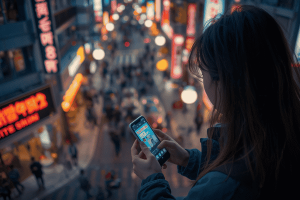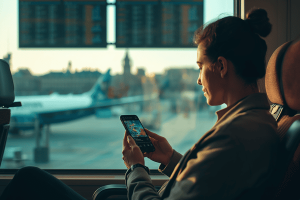
In our increasingly interconnected world, staying connected is no longer a luxury—it’s a necessity. For the modern traveler, the days of hunting for local SIM cards at airport kiosks or returning home to “bill shock” from roaming charges are over. Enter the eSIM.
Whether you are planning a trip to the United States, backpacking through Europe, or exploring the tech hubs of Asia, understanding how eSIM technology works is the key to seamless travel.
What Exactly is an eSIM?
An eSIM (embedded SIM) is a digital version of the physical SIM card you’ve used for years. Instead of a plastic chip, the technology is built directly into your smartphone’s hardware. It allows you to activate a cellular data plan from a provider like Terminal eSIM without needing to swap physical cards.
Why Travelers are Switching in 2026
The travel landscape has shifted. Here is why the modern traveler is choosing digital over physical:
- Instant Connectivity: You can buy and install your data plan before you even board your flight. The moment you land in France or Italy, your phone connects to the local network automatically.
- Cost Efficiency: International roaming with home carriers is notoriously expensive. By using prepaid eSIM plans, you pay local rates.
- Dual-SIM Flexibility: Keep your original phone number active for WhatsApp and 2FA (Two-Factor Authentication) texts, while using your eSIM for affordable high-speed data.
The Rise of 5G Travel eSIMs
In 2026, speed is everything. Most of our plans now support 5G connectivity in major regions. This means you can stream, video call, and upload high-definition content from Canada to Japan with the same speeds you enjoy at home. When browsing our Destinations, look for the 5G badge to ensure the fastest possible experience.
Enhanced Security for the Solo Traveler
Security is an often-overlooked benefit of eSIMs. Because an eSIM is embedded in your device, it cannot be physically removed or stolen if your phone is lost or stolen. This makes it much harder for someone to disconnect your device from “Find My Phone” services. Furthermore, using a Terminal eSIM plan is significantly safer than connecting to risky public Wi-Fi in airports or cafes, protecting your personal data from hackers.
Is Your Device Ready?
Most flagship devices released in the last few years are eSIM compatible. This includes the iPhone 11 and newer (including the latest iPhone 16), Samsung Galaxy S20 series onwards, and Google Pixel 3 and up.
- Check your compatibility: View our updated list of Supported eSIM Devices to ensure your phone is ready.
- How to get started: If you are new to this tech, follow our step-by-step guide on How to Activate eSIM for both iOS and Android.
Regional vs. Local Plans: Which is Better?
One of the most frequent questions we receive at our Help Center is whether to buy a local or regional plan.
- Local Plans: Best if you are staying in one country, like Spain. These usually offer the highest data limits for the lowest price.
- Regional Plans: Perfect for multi-country trips. Our Europe regional plan allows you to cross borders from Germany to Austria without ever losing signal.
Pro-Traveler Tips for 2026
- Turn off “Data Roaming” for your Primary SIM: To avoid accidental charges from your home carrier, ensure only your Terminal eSIM has “Data Roaming” toggled on.
- Download Offline Maps: Even with a reliable Thailand eSIM, it’s always smart to have offline maps for remote areas.
- Monitor Your Usage: Check your data consumption in your phone settings to ensure you have enough data for your entire trip. If you run low, you can always visit Terminal eSIM to top up.
Final Thoughts
The “Modern Traveler” isn’t just someone who visits new places; it’s someone who uses technology to make the journey smoother. By switching to an eSIM, you eliminate one of the biggest stresses of international travel: connectivity.
Still have questions? Check out our FAQs or compare the best eSIM plans here and stay connected wherever the road takes you.