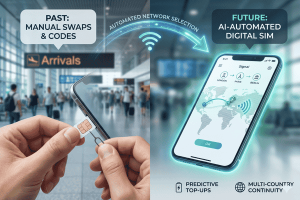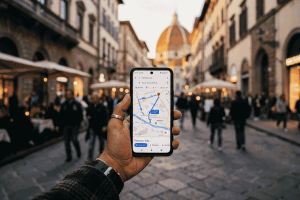
This is a common travel headache, but one that is easily avoidable. Modern technology offers a seamless solution: an embedded SIM, or eSIM.
For anyone planning a trip to Mexico, understanding this technology is key to staying connected without the stress. An eSIM provides instant, affordable data access right from your existing smartphone, eliminating the need for physical SIM cards and expensive roaming plans. It’s a game-changer for travelers, offering convenience and control over your connectivity. This guide will walk you through everything you need to know about using an eSIM in Mexico, from how it works to why it’s the superior choice for modern travelers exploring this beautiful country.
Unpacking the Technology: What Is an eSIM and How Does It Work?
Before we dive into the specifics for Mexico, let’s clarify what an eSIM actually is. An eSIM (embedded Subscriber Identity Module) is a digital version of the traditional physical SIM card that you’re used to swapping in and out of your phone. Instead of a plastic chip, the eSIM is a small, rewritable chip built directly into your device’s hardware during manufacturing. This technology has become standard in most newer smartphones, tablets, and smartwatches from major brands like Apple, Google, and Samsung.
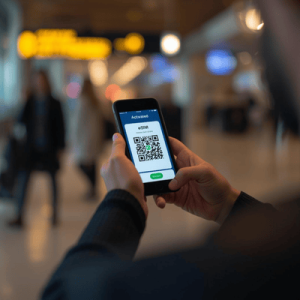
So, how does it work? An eSIM stores your mobile plan information digitally. When you purchase an eSIM plan, you receive a QR code or an activation link from your provider. You simply scan this code with your phone’s camera or follow the link, and your device downloads and installs the data plan. This process takes only a few minutes and can be done from anywhere with an internet connection, even before you leave home.
The key advantage is flexibility. Your phone can store multiple eSIM profiles simultaneously. For example, you can keep your home country’s plan active for receiving calls and texts while using a separate eSIM plan for affordable data in Mexico. You can easily switch between plans in your phone’s settings. This dual-SIM capability means you no longer have to choose between staying connected with your primary number and avoiding high roaming charges. The eSIM transforms your device into a global phone, ready to connect to local networks wherever you go, making it an indispensable tool for international travel.

Finding the Best eSIM for Mexico: A Practical Guide
Choosing the right connectivity option can make or break your travel experience. While roaming with your home provider is an option, it often comes with exorbitant fees and data caps. Buying a local physical SIM card upon arrival is another choice, but it can involve language barriers, long queues at the airport, and the hassle of swapping tiny chips. This is where finding the best eSIM for Mexico becomes a priority for a smooth journey.
An eSIM offers a far more convenient and cost-effective alternative. You can purchase and set up your plan before you even pack your bags. When your plane touches down in Cancún or Mexico City, you can switch on your eSIM and get connected instantly. No more searching for a store or fumbling with SIM ejector tools.
Here’s a step-by-step guide to get you started:
- Check Your Device Compatibility: First, ensure your smartphone is eSIM-compatible. Most phones released in the last few years, including iPhone XS or newer, Google Pixel 3 or newer, and recent Samsung Galaxy models, support eSIM technology. A quick search of your phone’s model and “eSIM compatibility” will give you a definite answer.
- Choose the Right Data Plan: Assess your data needs. Are you just using maps and checking emails, or do you plan on streaming videos and making video calls? Providers like Terminal eSIM offer a variety of plans tailored to different usage levels and trip durations. Look for plans with ample data, a validity period that covers your entire stay, and excellent network coverage across Mexico.
- Purchase and Install Your eSIM: Once you’ve selected a plan, the purchase process is simple and entirely online. You’ll receive a QR code via email. To install it, go to your phone’s cellular settings, select “Add eSIM” or “Add Cellular Plan,” and scan the QR code. Your phone will guide you through the final steps. It’s best to do this while you have a stable Wi-Fi connection at home.
- Activate Upon Arrival: Keep your eSIM “turned off” in your settings until you land in Mexico. Once you arrive, simply switch it on and turn off data roaming for your primary SIM. Your phone will automatically connect to a local network, giving you high-speed data right away.
By following these simple steps, you can ensure you have reliable internet access from the moment your adventure in Mexico begins.
Comparing Your Options: eSIM vs. Local SIM vs. Roaming
When planning for connectivity in Mexico, travelers essentially have three main choices. Each comes with its own set of pros and cons. Understanding these differences is key to making an informed decision that aligns with your budget and convenience needs. Below is a comparison to help you see why an eSIM often comes out on top.
| Feature | eSIM (e.g., Terminal eSIM) | Local Physical SIM | International Roaming |
| Convenience | Instant digital setup before travel. No physical swap needed. | Requires finding a store, purchasing, and installing upon arrival. | Activated through your home provider; can be seamless. |
| Cost | Highly affordable, with clear, upfront pricing on data packages. | Generally cheap for data, but purchase can be complex. | Typically very expensive, with high daily rates or per-MB charges. |
| Flexibility | Store multiple eSIMs. Keep your home number active for calls/texts. | Requires removing your primary SIM card, risking loss. | Limited to your home provider’s partner networks and terms. |
| Activation Time | A few minutes via QR code scan before you leave home. | Can take 30 minutes to an hour or more, depending on store queues. | Usually active upon arrival, but requires pre-trip setup. |
| Control | Prepaid plans mean no surprise bills. Easily top up if needed. | Usually prepaid, but understanding plan details can be difficult. | High risk of bill shock from unexpected data usage. |
As the table illustrates, while international roaming offers convenience, its high cost is a significant drawback. Local SIM cards are budget-friendly but introduce hassle and downtime right at the start of your trip.
The eSIM, particularly from a traveler-focused provider like Terminal eSIM, strikes the perfect balance. It combines the convenience of roaming with the affordability of a local SIM, all while giving you greater control and flexibility. You get the best of both worlds without the typical travel connectivity compromises.
Common Questions and Traveler Concerns Answered
Switching to a new technology like an eSIM can bring up some questions. Many travelers wonder about reliability, coverage, and how it impacts their existing phone number. Addressing these concerns is important for building confidence in this modern travel solution. Below, we tackle some frequently asked questions and discuss how eSIM technology is shaping the future of travel connectivity.
A major trend is the move toward digital-first travel experiences. Just as we use mobile boarding passes and digital hotel keys, travelers now expect instant, hassle-free connectivity. eSIMs fit perfectly into this trend by removing physical barriers and long waits. For digital nomads and remote workers, this technology is even more critical, as it guarantees a reliable internet connection for work from almost anywhere. Providers are continuously expanding coverage and offering more competitive data packages, making eSIMs the new standard for global travelers.
Frequently Asked Questions (FAQs)
- Can I still receive calls and texts on my regular phone number with an eSIM?
Yes, absolutely. This is one of the biggest benefits of using an eSIM for data. Most modern smartphones have Dual SIM functionality, allowing you to use your physical SIM (or primary eSIM) for calls and texts from your home number while using your travel eSIM for mobile data. You can manage this easily in your phone’s settings. - What happens if I use up all the data on my eSIM plan?
If you run out of data, you can simply purchase a top-up package or a new plan from your eSIM provider. With Terminal eSIM, this can be done directly through the website in a few clicks, and the new data is added to your plan almost instantly. You won’t be left disconnected. - Is the network coverage reliable with an eSIM in Mexico?
eSIM providers partner with major local network operators to provide service. In Mexico, this means your eSIM will connect to established networks like Telcel or AT&T, which offer extensive 4G and growing 5G coverage in cities, tourist areas, and along major highways. You can expect the same level of reliability as you would with a local physical SIM card from those carriers. - What if I have trouble setting up my eSIM?
Reputable eSIM providers offer customer support to help you with any issues. The installation process is designed to be straightforward, but if you encounter a problem, you can reach out to the support team for step-by-step assistance. It’s always a good idea to install your eSIM before you travel, so you can resolve any potential issues while you still have reliable internet access.
The Smart Choice for Your Mexican Adventure
To sum it up, navigating connectivity while traveling in Mexico doesn’t have to be complicated or expensive. While traditional options like international roaming and local physical SIM cards have been the go-to for years, they come with significant drawbacks, including high costs, inconvenience, and the risk of losing your primary SIM. The emergence of eSIM technology has provided a far superior alternative that aligns with the needs of the modern traveler.
An eSIM offers unparalleled convenience, allowing you to get connected the moment you arrive without ever needing to open your phone’s SIM tray. It’s a cost-effective solution, with transparent, prepaid data plans that eliminate the fear of surprise roaming bills. Furthermore, the flexibility to keep your home number active for important calls and texts while using affordable local data is a game-changing advantage. Whether you’re a casual tourist sharing photos, a digital nomad needing a reliable connection for work, or a seasoned explorer venturing off the beaten path, an eSIM provides the seamless connectivity you need.
Stay Connected in Mexico with Terminal eSIM
Your trip to Mexico should be about enjoying its rich culture, stunning landscapes, and incredible food—not worrying about your phone bill. With an eSIM, you can leave connectivity concerns behind. It’s the simple, smart, and stress-free way to stay online, share your experiences, and navigate your journey with ease. For travelers, digital nomads, and anyone who values seamless communication, an eSIM is no longer a luxury; it’s an essential travel tool.
Ready to experience the freedom of instant connectivity on your next trip? Explore the flexible and affordable data plans designed for Mexico. With a Terminal eSIM, you can land, connect, and start exploring without missing a beat.
Visit Terminal eSIM today to find the perfect plan for your Mexican adventure.