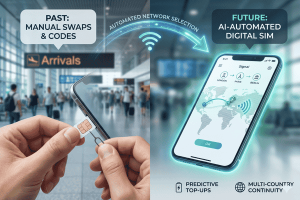
In the past, this meant dealing with physical SIM cards, long queues at the airport, and confusing registration processes. Today, there’s a much simpler solution: the eSIM.
This guide is designed to help you navigate the world of digital connectivity in the Philippines. We’ll explore what an eSIM is, why it’s a game-changer for travelers, and how to choose the perfect plan for your trip. Forget the hassle of SIM swaps and expensive roaming fees. We’ll show you how to find the best eSIM for the Philippines, ensuring you have reliable, affordable data from the moment you land. Let’s dive in and make your Philippine adventure seamlessly connected.
Understanding eSIMs: The Future of Travel Connectivity
For years, the physical SIM card—that tiny chip you insert into your phone—has been the standard for mobile connectivity. It stores your user information and connects you to a local network. While functional, physical SIMs come with drawbacks for travelers, including the risk of losing your home SIM, the need to find a local store upon arrival, and the hassle of switching between cards.
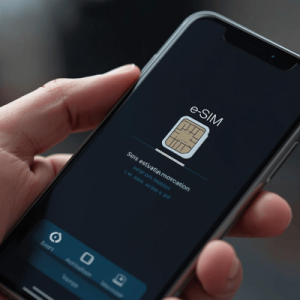
Enter the eSIM, or embedded SIM. An eSIM is a digital SIM card that is built directly into your smartphone’s hardware. Instead of a physical chip, your phone plan information is downloaded and activated through a simple QR code or an app. This technology has been integrated into most modern smartphones, including recent models of iPhones, Google Pixels, and Samsung Galaxy devices.
The primary advantage for travelers is convenience. With an eSIM, you can purchase and set up a data plan for the Philippines before you even leave home. Imagine stepping off the plane in Manila and instantly connecting to the internet without having to search for a SIM card vendor. This eliminates the stress of airport queues and language barriers. Furthermore, eSIMs allow you to keep your primary physical SIM active for calls and texts from home while using the eSIM for affordable local data. This dual-SIM capability is perfect for maintaining your home number for important notifications or two-factor authentication while avoiding costly roaming charges. For digital nomads and long-stay expats, eSIMs offer the flexibility to switch between plans and providers without being tied to a physical card, making it easier to manage connectivity needs on the go.

How to Find the Best eSIM for the Philippines
Choosing the right eSIM for your trip to the Philippines is straightforward when you know what to look for. Your goal is to balance data allowance, validity period, network coverage, and price. A short-term tourist has different needs than a digital nomad staying for a month, so a one-size-fits-all approach doesn’t work. By following these steps, you can confidently select the best eSIM for the Philippines that matches your travel style.
1. Assess Your Data Needs
First, consider how you use your phone while traveling.
- Light User: If you primarily need data for maps, messaging apps (like WhatsApp), and occasional browsing, a smaller data package (e.g., 3-5 GB) for a week-long trip should be sufficient.
- Moderate User: If you plan on sharing photos on social media, streaming some music, and making video calls, look for plans with 10-20 GB of data.
- Heavy User / Digital Nomad: For remote work, frequent video conferencing, and streaming content, you’ll want a larger data package (30 GB or more) or an unlimited plan if available.
2. Check Your Trip Duration
eSIM plans come with a specific validity period, such as 7 days, 15 days, or 30 days. Match the plan’s validity to the length of your stay. If you’re staying for 10 days, a 15-day plan is a better value than buying two separate 7-day plans. For longer stays, some providers offer 30-day or even 90-day options, which are often more cost-effective.
3. Verify Network Coverage
In the Philippines, the two main mobile network operators are Globe and Smart. Both have extensive coverage, but one might be stronger in certain remote islands or provinces. Most global eSIM providers, like Terminal eSIM, partner with these top-tier networks to ensure you get reliable service. Check which local network an eSIM provider uses to guarantee strong signal in the areas you plan to visit. Generally, coverage is excellent in major cities and tourist hotspots like Cebu, Boracay, and Manila.
4. Compare Prices and Features
Once you have an idea of your data and duration needs, compare different eSIM providers. Look beyond the sticker price and check the cost per gigabyte to find the true value. Also, consider features like the ability to top up your data if you run low and whether the plan includes a local phone number or is data-only. For most travelers, a data-only eSIM is perfect, as calls can be made over apps like FaceTime, WhatsApp, or Skype.
Comparing Top eSIM Plans for the Philippines
To simplify your decision, we’ve put together a comparison of typical eSIM plans you might find for the Philippines. This will help you see how different providers stack up in terms of data, validity, and cost. While specific offerings can change, this table represents common options available to travelers. Terminal eSIM focuses on providing a balanced combination of generous data allowances, flexible validity periods, and competitive pricing by connecting to premier local networks.
| Feature | Plan A (Budget Traveler) | Plan B (Average Tourist) | Plan C (Heavy User/Digital Nomad) |
| Data Allowance | 3 GB | 10 GB | 30 GB |
| Validity Period | 7 Days | 15 Days | 30 Days |
| Network | Globe | Smart/Globe | Smart/Globe |
| Price (Est.) | $9 | $20 | $45 |
| Price per GB | $3.00/GB | $2.00/GB | $1.50/GB |
| Top-Up Available | No | Yes | Yes |
| Best For | Short trips, light data use for maps & messaging. | Two-week vacations, social media, and streaming. | Long stays, remote work, and heavy data consumption. |
From this comparison, it’s clear that plans with larger data allowances and longer validity periods often provide better value per gigabyte. For example, Plan C, while having the highest upfront cost, offers the most affordable data rate, making it the smartest choice for anyone staying a month or working remotely.
On the other hand, a tourist on a week-long island-hopping trip may find Plan A perfectly adequate for their needs without overspending. The key is to align the plan with your specific itinerary and usage habits. Terminal eSIM offers a variety of plans tailored to these different traveler profiles, ensuring you only pay for what you need while getting reliable service across the islands.
Common Questions and Traveler Concerns Answered
Switching to an eSIM for the first time can bring up a few questions. From activation worries to concerns about device compatibility, it’s natural to want clarity before making the switch. Here, we address some of the most common issues and provide straightforward answers to help you travel with confidence.
Frequently Asked Questions (FAQs)
- Is my phone compatible with an eSIM?
Most smartphones released since 2018 support eSIM technology. This includes iPhone XS and newer models, Google Pixel 3 and newer, and Samsung Galaxy S20 and newer series. The easiest way to be certain is to check your phone’s settings. On an iPhone, go to Settings > Cellular (or Mobile Data) and see if you have an option to “Add eSIM” or “Add Cellular Plan.” On Android, search for “eSIM” in your settings or look under Network & Internet > SIMs. If the option is there, your device is ready. - How do I activate my Philippines eSIM?
Activation is incredibly simple. After purchasing a plan from a provider like Terminal eSIM, you will receive a QR code via email. Ensure you have a stable internet connection (Wi-Fi is best) before you activate.
- Go to your phone’s cellular settings.
- Select “Add eSIM” or the equivalent option.
- Scan the QR code with your phone’s camera.
- Follow the on-screen prompts to label your new eSIM (e.g., “Philippines Data”).
It’s best to install the eSIM just before you depart, but only activate it upon arrival in the Philippines to ensure your validity period starts when you land.
- Can I keep my home number for calls and texts?
Absolutely! This is one of the biggest benefits of dual-SIM functionality. Your phone can use your primary physical SIM for calls and texts from your home number while using the eSIM for affordable mobile data. When setting up your eSIM, your phone will ask you to designate which line to use for cellular data. Simply choose your new eSIM for data, and you’ll avoid international roaming charges from your home carrier. - What happens if I use up all my data?
This depends on the provider. With many eSIM providers, including Terminal eSIM, you can easily top up your data through their website or app. This gives you the flexibility to add more data if your usage is higher than expected without needing to purchase an entirely new plan. Always check if a top-up feature is available before you buy, as it provides a great safety net.
Summary: Your Key to Seamless Connectivity in the Philippines
Navigating a new country is an exciting adventure, and staying connected should be the easiest part of your journey. As we’ve explored, the eSIM is a powerful tool for modern travelers, offering a convenient, flexible, and affordable alternative to physical SIM cards and expensive roaming fees. By understanding what an eSIM is and how it works, you can leave behind the stress of airport SIM card queues and confusing setup processes.
The process of choosing the best eSIM for the Philippines boils down to a few simple steps: evaluate your data needs based on your usage habits, match the plan’s validity to your trip’s duration, verify network coverage with top local providers like Globe and Smart, and compare plans to find the best value. Whether you’re a light user needing maps and messaging or a digital nomad requiring significant data for work, there is an eSIM plan tailored for you. Providers like Terminal eSIM streamline this process by offering transparent, reliable plans designed for every type of traveler.
Get Your Philippines eSIM Today with Terminal eSIM
Your trip to the Philippines deserves to be filled with incredible memories, not connectivity headaches. Imagine landing in Cebu or Manila and being online in seconds, ready to book a ride, message family, or look up the best route to your hotel. That’s the freedom and peace of mind an eSIM provides.
At Terminal eSIM, we specialize in making travel connectivity simple and seamless. Our plans for the Philippines are designed to give you fast, reliable data through top-tier local networks at a fraction of the cost of roaming. Whether you’re a tourist on a two-week vacation, an expat setting up a new life, or a digital nomad exploring the islands, we have a plan that fits your needs.
Don’t wait until you land to figure out your internet. Plan ahead and travel smarter.
Explore Terminal eSIM plans for the Philippines today and stay connected from the moment you arrive!