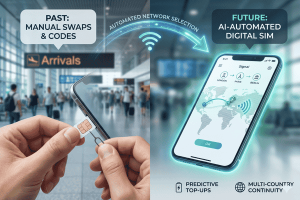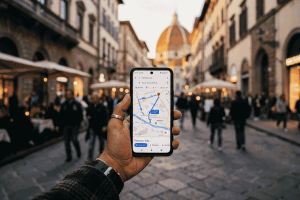
Yet, for many international travelers, finding a simple, affordable connectivity solution used to be a source of stress. The days of juggling tiny SIM cards and unpredictable roaming charges are quickly disappearing thanks to a smarter, digital approach built right into most smartphones.
Using an eSIM for travel is no longer just a tech enthusiast’s trick; it is the new standard for staying connected abroad. It eliminates the hassle of physical cards, saves you money, and keeps you online the moment you touch down. In this guide, we will explore exactly how this technology works, why it is superior to traditional methods, and how you can get started.
Understanding the Technology Behind the Modern eSIM
To understand why the “esim card” (often just called an eSIM) is revolutionizing travel, we first need to look at what it actually is. The term stands for “embedded Subscriber Identity Module.” Unlike the traditional SIM cards you are used to popping in and out of your device, an eSIM is a tiny chip soldered directly onto your phone’s motherboard during manufacturing.
A Brief History of the SIM
Mobile connectivity has been shrinking for decades. We started with the credit-card-sized Standard SIM in the early 90s. Then came the Mini SIM, the Micro SIM, and finally, the Nano SIM, which most people still use today. As phones became sleeker and packed with more battery and camera technology, space became a premium. The physical SIM tray took up valuable real estate.
The industry’s solution was to embed the technology. The eSIM does everything a physical card does—it stores your profile, authenticates your identity to the network, and encrypts your data. However, because it is software-based, it is rewritable. You don’t need to physically replace a chip to change carriers; you simply download a new data profile.
Why This Matters for Travelers
This rewriteable nature is what makes the technology so powerful for travel. Historically, your phone was tied to one carrier via that physical piece of plastic. To change networks (like when visiting a foreign country), you had to physically change the hardware.
With an eSIM, you can store multiple carrier profiles on a single device. You can keep your home number active for urgent calls and texts while simultaneously using a local data plan from a provider like Terminal eSIM to browse the web, use maps, and post on social media. It is the equivalent of having a multi-SIM phone without the bulk.
Furthermore, it is safer. Physical cards are easily lost or damaged. They are tiny, fragile, and often require a sharp tool to access. If you drop your home SIM down a drain in a hotel bathroom, you are in trouble. An embedded chip cannot be lost, stolen, or dropped. It is securely inside your phone, ready to be updated over the air.
How to Activate and Use an eSIM Card for Your Next Trip
Switching to digital connectivity might feel intimidating if you have never done it before, but the process is surprisingly straightforward. Here is a practical guide on how to select, install, and use an esim card profile for your next adventure.
Step 1: Check Device Compatibility
Before you purchase a plan, you must ensure your phone supports the technology. Most flagship devices released since 2018 are compatible.
- Apple: iPhone XR, XS, and newer (including SE 2nd and 3rd gen).
- Samsung: Galaxy S20 series and newer, plus Fold and Flip models.
- Google: Pixel 3 and newer.
- Others: Many newer models from Motorola, Huawei, and Sony.
Pro Tip: Go to your phone settings. On iPhone, look under “Cellular” for an “Add eSIM” button. On Android, check “Network & Internet” for a similar option. If you see it, you are likely good to go. Also, ensure your device is “carrier unlocked.” If you are still under contract with a major provider, they may have locked your phone to their network. Call them to request an unlock before you travel.
Step 2: Purchase Your Plan
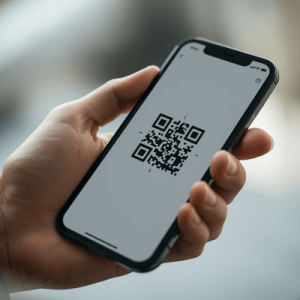
Visit a provider like Terminal eSIM and choose your destination. You can buy plans for a specific country, a region (like Europe or Asia), or a global plan if you are bouncing between continents. Once purchased, you will receive an installation kit, usually via email, containing a QR code.
Step 3: Installation
You should install your eSIM before you leave home, while you still have a stable Wi-Fi connection.
- Open Settings: Navigate to Cellular or Mobile Data.
- Add Plan: Select “Add eSIM” or “Add Data Plan.”
- Scan Code: Use your camera to scan the QR code provided in your email.
- Label It: Your phone will ask you to label the new line. Call it “Travel” or “Terminal eSIM” to distinguish it from your “Primary” home line.
Step 4: Activation Upon Arrival
Installation is not the same as activation. You can install the profile days or weeks in advance. The validity period of your plan (e.g., 7 days, 30 days) typically only begins once the eSIM connects to a supported network in the destination country.
- When you land: Go into your settings.
- Turn on the line: Toggle your “Travel” line to ON.
- Enable Roaming: Crucial step—you must turn on “Data Roaming” specifically for your eSIM line. (Keep it OFF for your primary home line to avoid fees).
- Set Data Source: Ensure your phone is set to use the Travel line for “Mobile Data.”
Data Saving Tips
To make your gigabytes last longer:
- Download offline maps on Google Maps before you leave Wi-Fi.
- Turn off “Wi-Fi Assist” (iPhone) or “Adaptive Wi-Fi” (Android).
- Set apps like Instagram and TikTok to “Low Data Mode” or avoid scrolling them unless you are on hotel Wi-Fi.
Comparing Your Connectivity Options: Roaming vs. Local SIM vs. eSIM
Travelers usually face three choices when it comes to getting online. To help you decide, we have broken down the pros and cons of each method in the table below.
The Traveler’s Connectivity Comparison
| Feature | Carrier Roaming | Local Physical SIM | Travel eSIM |
| Cost | High. Usually $10-$15 per day. Can result in “bill shock” if not careful. | Low. Local rates are cheap, but airport kiosks often markup prices. | Low to Medium. Competitive rates without hidden fees or markup. |
| Convenience | High. You do nothing but land and turn on your phone. | Low. Requires finding a store, waiting in line, and swapping tiny cards. | High. Instant setup via QR code. No stores, no lines, no swapping. |
| Keep Home Number? | Yes, but calls/texts are expensive. | No. You lose your home number while the local card is in. | Yes. Dual SIM technology lets you keep your home number active. |
| Setup Time | Zero time. | 30–60 minutes (finding a shop, registration). | 5–10 minutes (scan and go). |
| Physical Risk | None. | High risk of losing your original home SIM card. | None. Everything is digital. |
| Coverage | Good (depends on roaming agreements). | Excellent (direct local network access). | Excellent (often connects to multiple top-tier local networks). |
Key Insights
Looking at the comparison, carrier roaming is the easiest but by far the most expensive. A two-week trip could cost you over $150 in roaming fees alone.
Local physical SIM cards are cheap, but they cost you time. Who wants to spend their first hour in Paris standing in line at a chaotic airport kiosk? Plus, removing your home SIM means you miss Two-Factor Authentication (2FA) codes from your bank or messages from family.
The esim card approach sits in the “Goldilocks zone.” It offers the convenience of roaming with the pricing of local SIMs. You get immediate connectivity without the logistical headaches. You maintain your ability to receive texts on your main number while routing all expensive data traffic through the affordable travel plan.
Common Traveler Questions and Future Trends
As with any technology shift, there are valid questions and emerging trends that travelers should be aware of. The landscape of mobile data is changing rapidly.
The Death of the Physical Slot
One major trend is the move toward eSIM-only devices. In the United States, Apple removed the physical SIM tray entirely starting with the iPhone 14. This signals a massive industry shift. If you buy a new phone in the US, you must use an eSIM. Other manufacturers are expected to follow suit globally over the next few years. Mastering this technology now puts you ahead of the curve.
Regional vs. Global Connectivity
Another trend is the rise of regional plans. Instead of buying a plan just for France, Germany, and Italy separately, travelers are opting for “Europe” plans that cover 30+ countries. This creates a seamless border-crossing experience where your data doesn’t cut out as your train moves from one nation to another.
Frequently Asked Questions
- Can I use WhatsApp with an eSIM?
Yes, absolutely. WhatsApp, FaceTime, iMessage, and Telegram utilize an internet connection. When you switch your mobile data to your eSIM, these apps will continue to work seamlessly. You will keep your existing WhatsApp number and chats, even though your data is coming from a different source. - Will using an eSIM drain my battery faster?
Generally, no. While searching for a signal in a weak area drains battery regardless of the SIM type, modern phones are optimized for dual-SIM standby. However, keeping two active lines searching for towers can use slightly more power than one. If you are in a low-battery situation, consider temporarily turning off your primary home line. - Is my phone locked? How do I know?
This is the biggest hurdle. If you bought your phone on a payment plan from a carrier (like Verizon, AT&T, or Vodafone), it might be “network locked.” This prevents you from using any other SIM or esim card until the device is paid off. You can test this by borrowing a friend’s SIM card from a different carrier and inserting it into your phone. If it works, you are unlocked. If it says “SIM Not Supported,” you are locked. - Can I install the eSIM if I am already traveling?
Yes, provided you have a Wi-Fi connection. You need the internet to download the profile initially. Many travelers use airport or hotel Wi-Fi to set up their plan last minute, though we recommend doing it before departure for peace of mind.
Summary of Key Takeaways
Switching to digital connectivity transforms the way you travel. Let’s recap the main points we have covered:
- It is Safer and Easier: An embedded SIM cannot be lost or damaged. You avoid the stress of handling tiny plastic chips and sharp ejector tools in transit.
- Cost-Effective: You avoid the exorbitant daily roaming fees charged by home carriers, which can add hundreds of dollars to your trip cost.
- Dual Connectivity: You can keep your home number active for emergencies and bank verifications while using a travel plan for high-speed data.
- Instant Access: No queuing at airport kiosks. You can be online the moment the plane lands.
The technology is mature, reliable, and supported by almost all modern smartphones. It represents freedom—freedom from contracts, freedom from physical hardware, and freedom to explore without worrying about the next bill.
Experience Seamless Connectivity with Terminal eSIM
Traveling is about discovery, not troubleshooting connection issues. Whether you are a digital nomad working from a cafe in Lisbon, a backpacker island-hopping in Thailand, or a business traveler heading to a conference in New York, your connection should be the last thing on your mind.
At Terminal eSIM, we specialize in keeping you connected globally with zero hassle. Our plans are designed for modern travelers who value speed, reliability, and affordability. We offer coverage in over 150 countries, with flexible data packages that suit weekend getaways and months-long expeditions alike.
Don’t let roaming charges ruin your post-vacation glow. Join the thousands of travelers who have ditched the plastic and upgraded to a smarter way to travel. Check your device compatibility today and find the perfect data package for your next journey.