If you are planning a trip to Singapore, you already know the city is a playground of futuristic architecture, world-class street food, and incredibly efficient public transit. Whether you are navigating the underground MRT lines, ordering a ride on Grab, or scanning a QR code to pay for Hainanese chicken rice at Maxwell Food Centre, you are going to need mobile data.
For years, the ritual for incoming tourists was always the same: land at Changi Airport, hunt down a physical kiosk, wait in line, hand over your passport, and fumble with a tiny plastic SIM card using a bent paperclip.
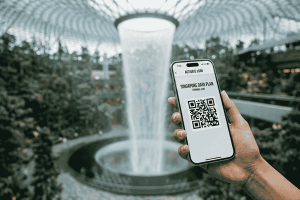
Lately, things have changed. Walk through Jewel Changi or sit at a cafe in Kampong Glam, and you will notice more travelers bypassing the kiosks entirely. They are using digital SIM cards. Choosing an esim in singapore has quickly shifted from a tech-savvy niche to the standard way people stay connected.
But is it actually the right choice for your trip, or is it just marketing hype? Let’s break down the practical realities, the pros, the limitations, and how to choose the right option for your itinerary.
The Practical Realities of Staying Online in Singapore
Singapore is a hyper-connected city-state. Its mobile infrastructure is routinely ranked among the fastest and most comprehensive in the world. The country’s major telecom networks—Singtel, StarHub, and M1—provide blistering speeds, even when you are traveling deep underground on the subway system.
| Network Provider | Known For |
|---|---|
| Singtel | #1 Network coverage & speed |
| StarHub | Excellent urban 5G |
| M1 | Reliable citywide backup |
When you use a travel eSIM, your digital profile instructs your phone to latch onto one of these local networks. This means you get the exact same coverage as a local resident, without paying exorbitant roaming fees to your home provider.
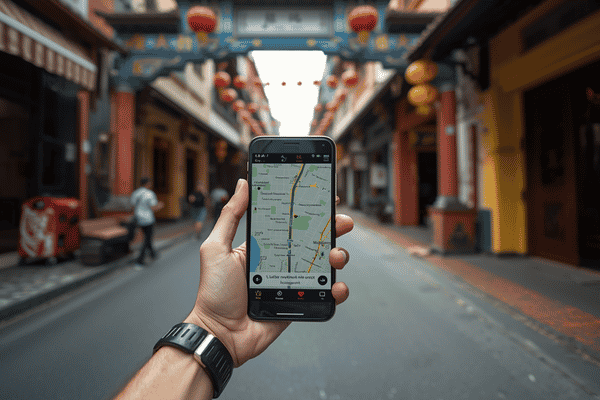
For example, if you are uploading videos of the light show at Gardens by the Bay or using Google Maps to find a hidden speakeasy in Chinatown, a solid local data connection keeps things running smoothly without relying on spotty public Wi-Fi networks.

Pros of Using an eSIM in Singapore
There are distinct advantages to going entirely digital with your mobile data when visiting the Lion City.
- Skip the Airport Lines: Changi Airport is incredibly efficient, but after a long-haul flight, the last thing you want to do is line up at a currency exchange or convenience store counter just to get internet access. With an eSIM, you can buy and install your plan while waiting for your flight at your departure gate, and activate it the moment your plane touches down.
- Keep Your Home Number Active: This is a major benefit for many travelers. If you pull out your physical home SIM card to put in a Singaporean tourist SIM, you lose access to your text messages. That means you cannot receive two-factor authentication (2FA) codes from your bank or work accounts. An eSIM allows you to keep your primary physical SIM active for texts while routing all your heavy data usage through the digital travel profile.
- Easy Multi-Country Travel: Singapore is the ultimate gateway to Southeast Asia. Many travelers spend a few days exploring Marina Bay before catching a bus to Malaysia or a quick flight to Bali. Instead of buying three separate physical plastic cards, you can simply load a regional plan onto your phone before you leave.
Things to Know Before Making the Switch
While the technology is convenient, it is not flawless. To keep this guide honest and practical, here are the limitations you need to consider before buying an eSIM for your trip.
1. Device Compatibility and Carrier Locks
Your phone must support eSIM technology, and it must be carrier-unlocked. If you are still paying off your phone via a monthly contract with your home provider, there is a high chance your device is locked to their network. If it is locked, a digital travel profile will not work. Always check your phone settings or call your carrier to double-check before purchasing.
2. Lack of a Local Phone Number
Most travel eSIMs are data-only plans. They do not come with a local Singaporean phone number (+65). While you can easily use WhatsApp, Telegram, FaceTime, or Messenger to make calls over data, you won’t be able to make a standard voice call to landlines.
Real-World Travel Tip: If you need to call a local restaurant to change a dinner reservation, or if you need to call your boutique hotel because you left your jacket in a taxi, a data-only plan won’t let you dial them directly. You will have to rely on VOIP apps or ask your hotel front desk for help.
How Top Providers Stack Up for Singapore
If you search for a travel data plan online, you will face an overwhelming number of options. Let’s look at how the main players compare for a trip to Singapore.
Airalo
Airalo is one of the most recognizable names in the industry. For Singapore, their local profile (often branded as “Connect Lah!”) runs primarily on the Singtel network.
- The Good: Their app is straightforward, and the data speeds are generally stable because they partner with Singtel.
- The Less Good: Their plans are heavily structured around specific data caps (e.g., 1GB, 3GB, 5GB). If you accidentally stream too many videos or upload raw photos, you might run out of data unexpectedly and have to manually top up through their app.
Holafly
Holafly handles data packages differently by focusing almost exclusively on unlimited data plans sold by the number of days.
- The Good: You don’t have to monitor your gigabyte consumption. It is great for heavy users who stream content constantly.
- The Less Good: It is often significantly more expensive than fixed plans, especially for short trips. Furthermore, their “unlimited” plans sometimes come with a Fair Usage Policy (FUP). If you consume an immense amount of data in a single day, they may temporarily throttle your speeds. They also restrict data tethering (hotspotting) on many plans.
Nomad and Ubigi
Nomad is popular for its competitive short-term pricing, while Ubigi is widely favored by frequent flyers for its robust regional and global profiles, often utilizing StarHub or Simba networks in Singapore. Both are reliable options, though navigating their multi-country regional menus can occasionally feel clunky if you only need a simple, single-country plan.
A Reliable Alternative: Terminal eSIM
If you want a middle ground that avoids confusing menus and overly expensive packages, Terminal eSIM is highly worth considering. Instead of acting as a massive, overwhelming marketplace that mixes and matches hundreds of random local resellers, it operates as a direct, curated platform.
The application is clean and focuses purely on what a real traveler needs: transparent pricing, straightforward activation, and direct data management. If you are hopping across Southeast Asia, their regional plans provide a practical balance of affordability and network quality without forcing you into expensive unlimited tiers you won’t fully utilize.
Step-by-Step: How to Set Up Your Data Before Landing
Setting up a digital SIM profile is simple, but it is highly recommended to do the initial setup at home before your trip while you have a stable, familiar internet connection.
- Choose and Purchase Your Plan: Download your preferred app—like Terminal eSIM—select Singapore, and pick a data package that fits your trip length.
- Scan the QR Code: You will receive a QR code via email or directly inside the app. Go to your phone’s cellular settings, select “Add eSIM,” and scan the code.
- Label Your Lines: Give your new profile a clear label, like “Singapore Data,” and label your home SIM as “Primary.”
- Configure Your Data Settings: Set your phone to use your home primary line for Default Voice Calls (so you still receive important emergency texts) and select the travel profile for Cellular Data.
- Turn on Roaming for the Travel Profile: Don’t worry—this will not charge your home account. Turning on “Data Roaming” for your new travel line simply tells your phone to allow the digital profile to connect to Singaporean networks like Singtel or StarHub once you arrive.
Frequently Asked Questions
Can I use Grab or map apps with a data-only plan?
Yes. Ride-hailing apps like Grab and navigation tools like Google Maps or Citymapper only require an active internet connection to function. They do not require a local phone number. You can register your Grab account using your home phone number before you leave, and it will work perfectly fine using your travel data in Singapore.
What happens if I run out of data while exploring the city?
If you choose a fixed-gigabyte plan and hit your limit, your internet access will stop. However, apps like Terminal eSIM or Airalo allow you to open the app and purchase a “top-up” package using your credit card or Apple Pay/Google Pay. You won’t need to install a new profile; the extra data will automatically attach to your existing active profile.
Is free public Wi-Fi common in Singapore?
Yes, Singapore has a widespread public Wi-Fi network called Wireless@SGx, and almost every shopping mall along Orchard Road or café in the CBD offers free internet. However, these public networks often require a multi-step registration process, can be slow during peak hours, and are not secure for sensitive tasks like mobile banking. Having a dedicated data plan is much safer and more convenient.
Conclusion: Ready for the Lion City?
Switching to a digital data profile is ultimately about maximizing your limited travel time. Instead of wasting your first hour at Changi Airport dealing with plastic cards and paperwork, you can walk straight to the taxi stand, book a ride, and head to your hotel with an active internet connection from the moment you step off the plane.
Take a quick look at your device settings to confirm your phone is unlocked, choose a straightforward data provider like Terminal eSIM that matches your itinerary, and focus on what really matters: enjoying the incredible sights and flavors of Singapore.