But with the sunsetting of physical SIM cards in many new flagship devices, the question has shifted from “Should I get a SIM?” to “How do I choose the best eSIM card?”
The market is flooded with options, ranging from local providers to global powerhouses. Picking the right one can mean the difference between effortless navigation and being stranded without a signal. This guide will walk you through everything you need to know to find the perfect eSIM card for your next adventure, ensuring you get the best speed, coverage, and value for your money.
What is an eSIM and Why Is It Revolutionizing Travel?
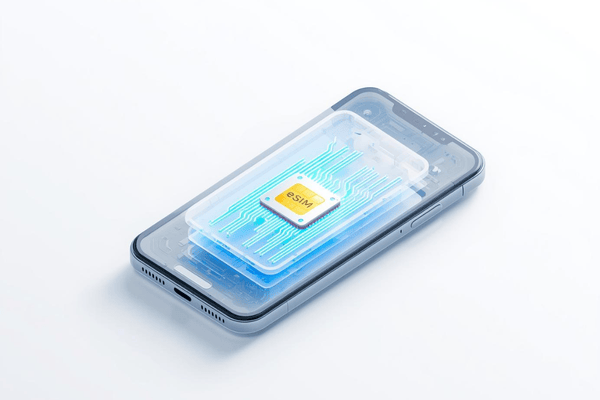
To choose the right product, you first need to understand the tech. An eSIM (embedded SIM) is a digital version of the traditional plastic SIM card. Instead of sliding a physical chip into a slot, the hardware is already built into your phone. You simply “download” a service plan by scanning a QR code or using an app.
A Brief History of Connectivity
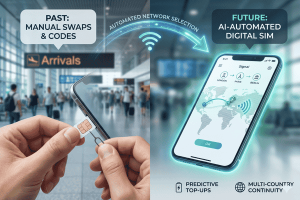
For decades, travelers were forced into a frustrating ritual: landing in a new country, hunting for a kiosk, fumbling with paperclips to open SIM trays, and praying they didn’t lose their home SIM card in the process. Then came the era of “Roam Like at Home” in Europe, but for the rest of the world, roaming charges remained predatory.
The introduction of the eSIM card changed the game. It allowed for “Remote SIM Provisioning,” a fancy term that means you can buy and install a data plan before you even leave your house. By 2025, major manufacturers like Apple and Samsung moved toward eSIM-only or eSIM-primary designs, making this technology the global standard for international roaming.
The Core Benefits
- Convenience: No more physical swapping. You can store multiple eSIM profiles on one device.
- Cost-Efficiency: You bypass expensive carrier roaming fees by connecting directly to local or regional networks at local rates.
- Security: Since there is no physical card to steal or lose, your digital profile is much more secure.
- Sustainability: No plastic waste and no shipping emissions.
Understanding that an eSIM card is essentially a software-defined connection helps you realize that the “best” one isn’t just about the data—it’s about the reliability of the software and the strength of the network partners behind it.
Practical Guide: How to Evaluate an eSIM Card
When shopping for an eSIM card, don’t just look at the price tag. A $5 plan is useless if it doesn’t work when you’re trying to call an Uber at 2:00 AM. Use this checklist to evaluate your options.
1. Check Device Compatibility and Lock Status
Before anything else, ensure your phone is “eSIM capable” and “unlocked.”
- Compatibility: Most iPhones (XR and newer), Samsung S-series (S20 and newer), and Google Pixels (3 and newer) support eSIM.
- Carrier Lock: If you bought your phone on a contract, your carrier might have locked it. You must request an unlock to use a third-party eSIM card.
2. Determine Your Data Usage Needs
Are you a “lite” browser or a “heavy” streamer? Here is a quick reference for data consumption:
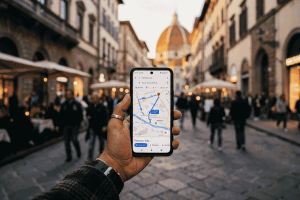
- Google Maps: ~5MB per hour of active navigation.
- Social Media (Scrolling): ~100MB–150MB per hour.
- Video Calls (Zoom/Teams): ~800MB–1.5GB per hour.
- Netflix (HD): ~3GB per hour.
Pro Tip: For a one-week trip with moderate Instagram use and heavy Maps usage, a 3GB to 5GB eSIM card plan is usually the “sweet spot.”
3. Coverage and Network Partners
A provider is only as good as the local towers it uses. Look for providers that partner with Tier-1 carriers (e.g., Orange in France, Vodafone in the UK, or T-Mobile in the USA). Some premium eSIM card options like Terminal eSIM offer “Multi-Network” support, meaning your phone will automatically switch to the strongest available signal in the area.
4. Installation and Activation Rules
Read the fine print on when the “validity period” starts.
- On Installation: The timer starts the moment you download the eSIM.
- On Connection: The timer starts only when you land and connect to the local network.
Always prioritize plans that activate upon arrival so you don’t waste days of data while still at home.
Comparison: Regional vs. Global vs. Local eSIM Plans
Choosing the right “scope” for your eSIM card can save you significant money, especially on multi-country trips.
| Feature | Local eSIM | Regional eSIM | Global eSIM |
| Best For | Single-country stays (7+ days) | Backpacking (e.g., Europe, SE Asia) | Frequent flyers, Cruises, Business |
| Cost | Lowest per GB | Moderate | Highest per GB |
| Convenience | Must buy new for each country | One setup for 30+ countries | One setup for 100+ countries |
| Network Speed | Usually 5G | 4G/5G Mix | 4G/5G Mix |
| Hotspot Support | Almost always | Usually | Depends on provider |
Summary of Insights:
- Local Plans: Choose these if you are staying in one place, like Italy, for two weeks. You get the highest speeds and most data for the lowest price.
- Regional Plans: These are the “hero” products for travelers. A “Europe 33 Countries” eSIM card allows you to take a train from London to Paris to Amsterdam without ever losing signal or changing settings.
- Global Plans: These are perfect for digital nomads who don’t want to think about connectivity. You pay a premium for the “set it and forget it” convenience.
2026 Trends and Solving Common eSIM Problems
The eSIM landscape is evolving rapidly. In 2026, we are seeing the rise of 5G Standalone (SA) architecture in travel eSIMs, providing lower latency for remote workers. Additionally, “AI-Orchestrated Roaming” is now becoming a standard feature for top-tier providers, ensuring your eSIM card always grabs the fastest frequency available.
Troubleshooting Common Issues
Even with the best tech, hiccups happen. Here is how to solve them:
- “Stuck on Activating”: This is usually a handshake issue with the local tower. Toggle Airplane Mode on and off, or restart your device.
- No Data After Setup: Check if Data Roaming is turned ON for the eSIM line specifically. Unlike your home SIM, the travel eSIM card requires roaming to be enabled to function on partner networks.
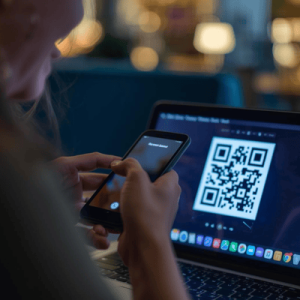
- QR Code Won’t Scan: Ensure you have a stable Wi-Fi connection during the initial setup. If the scan fails, most providers offer a “Manual Entry” code (SM-DP+ Address).
Frequently Asked Questions (FAQs)
Q: Can I keep my WhatsApp number with an eSIM?
A: Yes! Your WhatsApp is tied to your phone number, not your data connection. When you install a new eSIM card, simply select “Keep Existing Number” when WhatsApp asks if you want to change it.
Q: Does an eSIM card include a phone number for calls?
A: Most travel eSIMs are “Data-Only.” However, you can use apps like WhatsApp, FaceTime, or Skype to make calls. Some premium providers offer plans with a VoIP number if needed.
Q: Can I use my hotspot with a travel eSIM?
A: Most reputable providers allow tethering, but always check the product description. It’s a lifesaver for digital nomads who need to connect a laptop in a cafe.
Summary: The Golden Rules of eSIM Selection
Finding the best eSIM card doesn’t have to be a chore. To recap, follow these three golden rules:
- Prioritize Quality Over Price: A $2 savings isn’t worth a 3G connection in a 5G world. Look for providers that explicitly mention 5G access and Tier-1 network partners.
- Match the Plan to the Itinerary: Use local plans for deep dives into one country and regional plans for “Euro-trips” or “Asia-hops.”
- Prepare Before You Fly: Always install your eSIM card while you have a stable Wi-Fi connection at home or in the airport lounge. This ensures that the moment your plane touches the tarmac, you are online.
By following these steps, you eliminate the stress of “dead zones” and high bills, leaving you free to focus on what matters: the journey itself.
Why Travelers Trust Terminal eSIM
When you’re thousands of miles from home, you need a connection that just works. Terminal eSIM was built by travelers, for travelers. We understand that whether you’re a digital nomad jumping between co-working spaces or a family trying to find the nearest pharmacy in a foreign city, your data is your lifeline.
Our eSIM card solutions offer:
- Instant Delivery: Get your QR code via email seconds after purchase.
- Elite Coverage: We partner with the world’s leading carriers to ensure you stay on 5G/4G LTE networks.
- Transparent Pricing: No hidden fees, no “gotchas,” and no contracts. You pay for what you need, and nothing more.
- 24/7 Support: Our team of experts is always online to help you troubleshoot, no matter what time zone you’re in.
Don’t leave your connectivity to chance. Secure your high-speed data today and experience the world without borders.