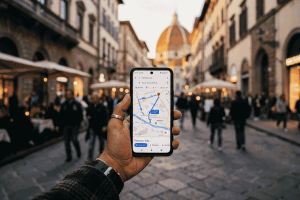
Imagine trying to find a local SIM for your phone while your tablet and laptop sit offline, unable to access important maps or emails. This is where the magic of embedded SIM technology, or eSIM, comes in. This digital-first approach to mobile data is revolutionizing how we connect abroad. Instead of physical cards, you get instant, flexible data plans downloaded directly to your devices. For anyone traveling with a full suite of tech, understanding how eSIM plans can simplify your journey is a game-changer. Let’s explore why this technology is the ultimate solution for multi-device travelers.
The Evolution of Connectivity: From SIM Cards to eSIMs
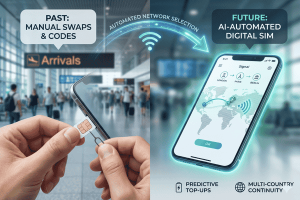
To appreciate the convenience of eSIMs, it helps to look back at the journey of mobile connectivity. For decades, the Subscriber Identity Module (SIM) card has been the tiny, essential chip that connects our phones to a cellular network. It started as a credit-card-sized piece of plastic in the early 90s, shrinking over time to the mini, micro, and nano-SIMs we use today. Each evolution made devices slimmer, but the core concept remained the same: a physical token you had to acquire, insert, and often swap out when you traveled.
This physical dependency created several challenges for international travelers. Upon landing in a new country, you’d face the “SIM card scramble”—hunting for a local provider at the airport, navigating language barriers, and dealing with registration paperwork. For those with multiple devices, like a phone and a cellular-enabled tablet, this meant double the hassle. You’d either need two separate local SIM cards or rely on the often-insecure and unreliable public Wi-Fi for your secondary devices.
The eSIM changes everything by digitizing this entire process. Introduced around 2016, an eSIM is an “embedded” SIM that is built directly into the device’s hardware by the manufacturer. There’s no physical card to insert or lose. Instead, you can download and activate a cellular plan from a provider like Terminal eSIM through a simple QR code or app. This innovation allows you to store multiple cellular profiles on a single device and switch between them effortlessly. For a traveler, this means you can keep your home number on your primary profile while using a local eSIM data plan for affordable internet access abroad. This seamless transition marks a significant leap forward, offering the flexibility and convenience modern travelers need.
A Practical Guide to Managing Your Devices with eSIM Plans
Switching to eSIM plans streamlines connectivity across your entire tech arsenal—phone, tablet, and even compatible laptops. It eliminates the need to buy multiple physical SIM cards or rely solely on a single device’s hotspot, which can drain its battery rapidly. By using eSIMs, each device can have its own independent, secure connection. Here’s how you can make it work for you.
Step 1: Check Your Devices for eSIM Compatibility
Before you travel, confirm which of your devices are eSIM-ready. Most newer smartphones from major brands like Apple, Google, and Samsung support eSIM technology. Many cellular-enabled iPads, Microsoft Surface Pro models, and other modern tablets and laptops also include this feature. A quick search of your device model’s specifications online or a check in your “Cellular” or “Mobile Data” settings will confirm compatibility.
Step 2: Choose the Right eSIM Plans for Your Needs
With a provider like Terminal eSIM, you have access to a wide variety of plans tailored to different destinations and data needs.
- For your smartphone: This is your primary device for navigation, communication, and quick lookups. A regional plan covering all your destinations (e.g., a Europe-wide plan) is often the most cost-effective choice. This gives you seamless connectivity as you cross borders.
- For your tablet or laptop: These devices are typically used for work, streaming, or more data-intensive tasks. Consider a country-specific plan with a larger data allowance for the destination where you’ll spend the most time. This way, you can handle video calls and large file downloads without worrying about hitting a data cap.
- Data Sharing vs. Individual Plans: While tethering (using your phone as a hotspot) is an option, it quickly drains your phone’s battery. Assigning separate eSIM plans to each device ensures they all stay connected without putting a strain on one. It also provides a more stable and often faster connection for each gadget.
Step 3: Activation and Management
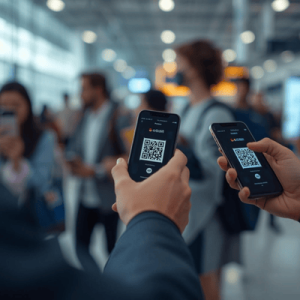
Activating an eSIM is simple. After purchasing your plan, you’ll receive a QR code. Just scan it with the device you want to connect, follow the on-screen prompts, and you’re ready to go. You can activate your plan right before you leave or upon arrival. Managing your eSIMs is just as easy—you can label each plan (e.g., “Europe Trip – Phone,” “Spain Work – Laptop”) within your device settings to keep everything organized.
Comparing Connectivity Options for Multi-Device Travelers
When traveling with multiple devices, you have several options for staying connected. However, as the table below illustrates, eSIM plans offer a superior blend of convenience, cost-effectiveness, and security. Below is a comparison of the most common methods travelers use.
| Feature | Physical SIM Cards | Roaming with Home Provider | Public Wi-Fi | eSIM Plans |
| Convenience | Low: Requires finding a store, swapping cards for each device. | High: Works automatically upon arrival. | Medium: Requires finding and connecting to hotspots. | Very High: Instant activation via QR code, no physical swap. |
| Cost | Medium: Generally affordable, but buying multiple cards adds up. | Very High: Often leads to exorbitant fees and bill shock. | Low/Free: Usually free but with significant limitations. | High Value: Competitive pricing without hidden fees. |
| Coverage | Good: Relies on a single local network. | Good: Leverages partner networks. | Spotty: Unreliable and inconsistent outside of cafes/hotels. | Excellent: Access to top-tier local networks. |
| Security | High: Secure cellular connection. | High: Secure cellular connection. | Very Low: Unsecured networks pose risks for data theft. | High: Encrypted and secure cellular connection. |
| Multi-Device Setup | Difficult: Requires a separate SIM for each device. | Very Difficult: Roaming on multiple devices is prohibitively expensive. | Easy: Connect all devices if available. | Easy: Purchase and install separate plans for each device. |
As the comparison shows, traditional methods present clear drawbacks. Physical SIM cards are inconvenient to manage for more than one device. International roaming is incredibly expensive, making it an impractical choice for data-heavy users. Public Wi-Fi, while free, is often unreliable and poses significant security risks, making it unsuitable for handling sensitive work or personal information.
In contrast, eSIM plans emerge as the clear winner. They combine the convenience of roaming with the affordability of local SIMs. You can purchase and install plans for your phone, tablet, and laptop from the comfort of your home before you even start your trip. This preparation ensures you are connected from the moment you land, with each device having its own secure, high-speed data line.
Solving Common Travel Connectivity Problems with eSIMs
Travelers juggling multiple gadgets face a unique set of connectivity hurdles. From data security concerns to the simple frustration of a dead battery from hotspotting, these issues can detract from the travel experience. eSIMs directly address these pain points, offering elegant solutions to long-standing problems.
Problem: The Security Risk of Public Wi-Fi
Using airport, café, or hotel Wi-Fi on your laptop or tablet is tempting, but these public networks are notoriously insecure. They are prime targets for hackers looking to steal personal information, login credentials, and financial data.
Solution: An eSIM provides your device with its own private, encrypted cellular connection. This means you can work on your laptop or browse on your tablet with the same level of security you’d expect from your home network, no matter where you are. For digital nomads and business travelers, this is not just a convenience—it’s an essential security measure.
Problem: The Inefficiency of Mobile Hotspotting
Relying on your phone’s hotspot to get your other devices online is a common but flawed strategy. It drains your phone’s battery at an alarming rate, and the connection can be slow and unstable, especially if multiple devices are connected.
Solution: By installing separate eSIM plans on your tablet and laptop, each device gets its own dedicated data stream. This preserves your phone’s battery for its main tasks—navigation, calls, and messaging. It also ensures a more stable and faster connection for all your gadgets, allowing you to be more productive and less stressed.
Frequently Asked Questions (FAQs)
- Can I use an eSIM on all my devices at the same time?
Yes, absolutely. You can purchase and activate separate eSIM plans for your compatible smartphone, tablet, and laptop. Each will operate independently, giving you simultaneous, reliable connections. - Is it expensive to buy multiple eSIM plans?
It’s far more affordable than you might think. Providers like Terminal eSIM offer competitive pricing on data plans worldwide. Buying a few targeted eSIM plans is almost always cheaper than paying for international roaming on even a single device and provides far more utility. - What happens if I use up the data on one of my eSIM plans?
Most eSIM providers, including Terminal eSIM, make it easy to top up your data or purchase a new plan directly from their app or website. You can add more data in just a few clicks without needing to find a physical store. - Can I still receive calls on my primary number with an eSIM active?
Yes. Most modern dual-SIM phones allow you to use an eSIM for data while keeping your primary physical SIM active for calls and texts. This gives you the best of both worlds: affordable local data and the ability to be reached on your regular number.
The Smart Traveler’s Choice for Total Connectivity
In summary, navigating the world with multiple devices no longer requires a complex juggling act of SIM cards, insecure Wi-Fi, and expensive roaming. The shift from physical SIMs to embedded digital technology has fundamentally simplified how we stay connected abroad. For the modern traveler—whether a digital nomad working from a cafe in Lisbon, a family streaming movies on a long train ride, or a business professional prepping for a meeting in Tokyo—eSIM plans offer a powerful and elegant solution.
By allowing each device to have its own secure, affordable, and easy-to-manage data connection, eSIMs eliminate the biggest connectivity headaches. You no longer have to sacrifice your phone’s battery to a hotspot or risk your data on a public network. Instead, you can enjoy the freedom of seamless internet access across your phone, tablet, and laptop. This approach saves you money, enhances your security, and provides the reliability you need to work, explore, and share your experiences without interruption. Adopting eSIMs is more than just a tech upgrade; it’s a move toward smarter, more efficient, and stress-free travel.
Embrace Seamless Travel with Terminal eSIM
Are you ready to stop worrying about connectivity and start enjoying your travels? For digital nomads, frequent flyers, and tech-savvy families, the benefits of eSIMs are too great to ignore. Imagine landing in a new country and having your phone, tablet, and laptop all instantly connected to a fast, secure network. No more hunting for SIM vendors, no more shocking roaming bills, and no more depending on unreliable Wi-Fi.
Terminal eSIM provides flexible and affordable eSIM plans for over 190 destinations worldwide. Our platform is designed for travelers like you who demand convenience and reliability. With just a few taps, you can equip all your devices with the data they need to keep you productive, entertained, and connected. Stop tethering and start traveling smarter.
Explore the possibilities and find the perfect eSIM plans for your next adventure. Visit Terminal eSIM today and unlock a world of seamless connectivity.