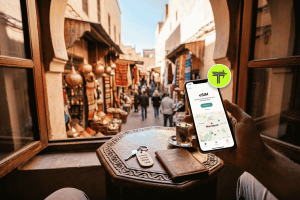
Staying connected is essential for navigating, sharing, and making the most of your travels. This is where a modern travel solution changes the game.
For years, travelers have juggled expensive international roaming plans or the hassle of finding and swapping physical SIM cards in every new country. But there’s a smarter, more seamless way to stay online. A virtual SIM, or eSIM, offers instant, affordable, and reliable data access across Europe without the physical plastic. It’s a digital key that unlocks connectivity right from your phone. This guide will walk you through everything you need to know about using a virtual SIM for your European adventure, transforming how you travel and connect.
Unpacking the Tech: What Is an eSIM and How Does It Work?
To understand the magic of a virtual SIM, it helps to look back at its predecessor: the physical SIM card. For decades, that tiny piece of plastic has been our phone’s identity, linking it to a specific carrier’s network. When you traveled, you either paid your home carrier hefty roaming fees or went on a scavenger hunt for a local SIM card upon arrival. This often involved finding a store, dealing with language barriers, and going through the tedious process of swapping cards.
An eSIM (embedded Subscriber Identity Module) eliminates all that hassle. It’s a small, programmable chip that is already built into your smartphone, tablet, or smartwatch by the manufacturer. Instead of a physical card, an eSIM stores your mobile plan information digitally. You can think of it as a virtual SIM card that you can activate with a simple QR code or through an app. This technology isn’t brand new—it was first introduced around 2016—but its adoption by major phone manufacturers like Apple, Google, and Samsung has made it a mainstream feature for travelers.
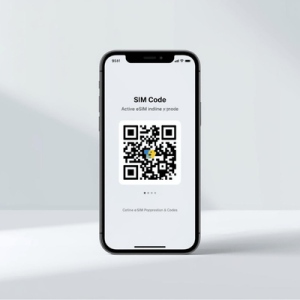
So, how does it work for a trip to Europe? Before you even pack your bags, you can purchase a European data plan from a provider like Terminal eSIM. They send you a QR code. You scan it, follow a few simple on-screen prompts, and voilà—you’ve installed a new data plan on your phone. Upon landing in your European destination, you simply switch to your eSIM profile, and your phone instantly connects to a local network. You get high-speed data without ever having to open your phone’s SIM tray. This technology allows you to store multiple eSIM profiles on one device, letting you switch between your home plan and your travel plan with just a few taps.

Your Guide to Using a Virtual SIM in Europe
Making the switch to a virtual SIM is surprisingly simple. It removes the stress of airport SIM card kiosks and lets you get online the moment you land. Here’s a step-by-step guide to get you set up for seamless connectivity on your European trip.
Step 1: Check Your Device for eSIM Compatibility
Before anything else, confirm that your smartphone supports eSIM technology. Most modern phones do, but it’s always best to check.
- For iPhone: Go to Settings > Cellular (or Mobile Data). If you see an option like “Add eSIM” or “Add Cellular Plan,” your device is compatible. This feature is available on iPhone XS, XR, and newer models.
- For Android: The path varies by manufacturer. Typically, you can find it under Settings > Network & Internet > SIMs. Look for an option to add a SIM using a QR code. Google Pixel, Samsung Galaxy, and other major Android phones have included eSIM support for years.
Step 2: Choose and Purchase Your European eSIM Plan
Once you’ve confirmed compatibility, it’s time to pick a data plan. Providers like Terminal eSIM offer a range of options tailored for Europe. Consider these factors:
- Data Amount: How much data will you need? If you just need maps and messaging, a smaller plan (3-5 GB) might suffice. If you plan on streaming video or using your phone as a hotspot, look for larger plans (10-20 GB or more).
- Duration: Plans are usually valid for a specific period (e.g., 7, 15, or 30 days). Match the plan’s validity to the length of your trip.
- Coverage: Ensure the plan covers all the countries you plan to visit. Most “Europe” plans cover the entire EU and often other popular destinations like the UK and Switzerland.
Purchase the plan online before you depart. You’ll typically receive an email with your QR code and activation instructions almost immediately.
Step 3: Install and Activate Your eSIM
It’s best to install your eSIM while you still have a stable internet connection at home.
- Scan the QR Code: Go to your phone’s cellular settings and select the option to add an eSIM. Use your camera to scan the QR code from your provider.
- Label Your Plan: Your phone will prompt you to label your new plan. Naming it “Europe Travel” or something similar helps you easily distinguish it from your primary plan.
- Choose Your Default Lines: You can select which line to use for voice calls, messages, and cellular data. For your trip, set your new eSIM as the primary for cellular data. It’s often wise to keep your home number for calls and texts to receive verification codes or important messages (just be aware of potential roaming charges from your home carrier if you answer calls).
When you land in Europe, simply turn on your travel eSIM in your phone’s settings, and you’ll connect to a local network automatically.
Comparing Your Options: Virtual SIM vs. Other Choices
When planning for connectivity in Europe, you have several options. While a virtual SIM offers significant advantages, it’s helpful to see how it stacks up against traditional methods. Here’s a clear comparison to help you decide what’s best for your travel style.
| Feature | Virtual SIM (e.g., Terminal eSIM) | Physical Local SIM Card | International Roaming Plan |
| Activation | Instant; scan a QR code at home. | In-person purchase and installation at destination. | Call your home carrier before your trip. |
| Convenience | High. No need to swap cards; keep your home number. | Low. Requires finding a store, potential language barriers. | Medium. Easy to set up, but expensive. |
| Cost | Low to moderate. Data-only plans are very affordable. | Low to moderate. Good value, but per-country. | High. Often the most expensive option. |
| Flexibility | High. Store multiple eSIMs and switch as needed. | Low. One SIM per country; swapping is a hassle. | Low. Tied to your home carrier’s partners and rates. |
| Coverage | Excellent. Pan-European plans cover multiple countries. | Limited. Usually works in one country only. | Varies. Coverage can be inconsistent. |
| Best For | Tech-savvy travelers, multi-country trips, short stays. | Long stays in a single country, budget-conscious travelers. | Short business trips where convenience outweighs cost. |
As the table shows, a virtual SIM excels in convenience and flexibility. The ability to set everything up before you leave and enjoy instant connectivity upon arrival is a major benefit, especially for trips involving multiple European countries. While a local physical SIM can be cheap for a long stay in one place, the hassle of acquiring one often outweighs the savings. International roaming remains the least cost-effective option, best reserved for emergencies or when your employer covers the bill. For the modern traveler, the blend of affordability, control, and ease-of-use makes an eSIM the clear winner.
Common Questions and Traveler Concerns Answered
Switching to new technology can bring up some questions. Let’s address the most common concerns travelers have about using a virtual SIM in Europe, so you can travel with confidence.
One of the biggest worries is reliability. Will the connection be fast and stable? Reputable eSIM providers like Terminal eSIM partner with top-tier local networks across Europe. This means you’re not using some secondary, slower service; you’re connecting to the same robust 4G and 5G infrastructure that locals use. Whether you’re in a major city like Paris or a rural village in Tuscany, your eSIM will automatically connect to the strongest available signal, ensuring you have reliable data for maps, uploads, and video calls.
Another common concern is complexity. Many people assume that because it’s a digital product, it must be difficult to set up. In reality, it’s far simpler than dealing with a physical SIM. The process is designed to be user-friendly: you get a QR code, you scan it, and you follow a few taps on your screen. There are no tiny plastic cards to lose and no paperclip-ejector tools needed. The entire setup can be done in under two minutes from the comfort of your home.
Frequently Asked Questions (FAQs)
- Can I still receive calls and texts on my regular phone number?
Yes, you can! This is one of the best features of dual-SIM technology. You can keep your home line active for incoming calls and texts while using the eSIM for all your mobile data needs. This allows you to receive important messages or two-factor authentication codes without paying for data roaming. - What happens if I use up all my data?
Most eSIM providers make it easy to top up your data. Through their app or website, you can purchase additional data packs that activate instantly. This flexibility means you’re never caught without a connection. You can start with a smaller plan and simply add more if you find you need it. - Does an eSIM drain my phone’s battery faster?
No, using an eSIM does not consume any more battery than a physical SIM card. Both technologies perform the same function, and your phone’s battery usage will depend on how you use your device (e.g., screen brightness, app usage, signal strength), not on the type of SIM you’re using. - Can I use my eSIM as a personal hotspot?
Yes, most eSIM plans allow you to use your phone as a hotspot, so you can share your data connection with your laptop, tablet, or a travel companion’s device. Always check the specific plan details to confirm that tethering is supported.
Your Smarter European Journey Starts Here
Planning a European getaway should be exciting, not stressful. By choosing a modern connectivity solution, you can eliminate one of the biggest travel hassles. We’ve explored how a virtual SIM works, walked through the simple setup process, and compared it to older, less convenient options. The verdict is clear: for convenience, affordability, and flexibility, an eSIM is the superior choice for staying connected across Europe.
Imagine landing at your destination and being online before the plane even reaches the gate. There’s no need to hunt for airport Wi-Fi, no fumbling with tiny plastic SIM cards, and no fear of returning home to a shocking phone bill. With an eSIM, you have immediate access to maps, ride-sharing apps, and social media, allowing your adventure to begin smoothly. This technology empowers you to travel with confidence, knowing a reliable connection is just a few taps away. It puts you in complete control of your data usage and expenses, fitting perfectly with the needs of a modern traveler.
Unlock Europe with Terminal eSIM
Your European adventure awaits, and staying connected has never been easier. Whether you’re a digital nomad hopping between capitals, a family on a two-week vacation, or a solo backpacker exploring off-the-beaten-path destinations, a reliable data connection is your most valuable tool. It’s your map, your translator, your link to loved ones, and your way to share incredible moments as they happen. Don’t let outdated technology hold you back or drain your travel budget.
With Terminal eSIM, you can step into a world of seamless, affordable connectivity. We offer a wide range of flexible data plans designed for Europe, covering dozens of countries with a single purchase. Say goodbye to roaming fees and hello to instant, high-speed internet. Get your European travel plan today and experience the freedom of being fully connected, wherever your journey takes you.
Explore our Europe plans now at https://terminalesim.com and travel smarter.