The era of hunting for paperclips and squinting at microscopic plastic chips in a crowded airport is officially over. As we move through 2026, the way we stay connected while globetrotting has undergone a digital revolution.
In the golden age of travel, your smartphone is your most vital companion. From navigating the neon-lit streets of Tokyo with Google Maps to translating a menu in a Parisian bistro, data is the invisible thread that keeps your trip together.
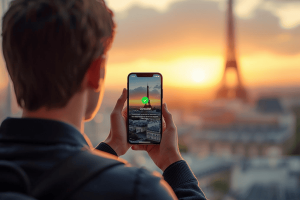
Imagine stepping off the plane at Charles de Gaulle, the crisp Parisian air greeting you as you catch your first glimpse of the distant Eiffel Tower. You want to call a ride, check your hotel reservation, and tell your family you’ve arrived safely—all without hunting for a Wi-Fi password or a physical SIM card kiosk.

Are you planning a trip to the land down under but dreading the thought of a massive roaming bill? Whether you’re road-tripping along the Great Ocean Road, surfing at Bondi Beach, or trekking through the Outback, staying connected is non-negotiable.
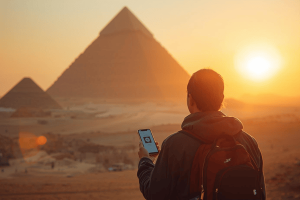
Planning a journey to the land of the Pharaohs is an exhilarating experience. From the towering Great Pyramid of Giza to the turquoise waters of Sharm El-Sheikh, Egypt offers a sensory overload of history, culture, and natural beauty.
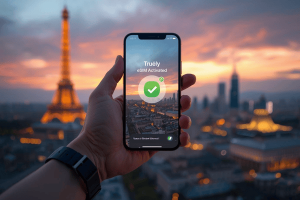
The era of hunting for tiny paperclips in airport terminals is officially over. If you’ve ever stood in a long queue at a foreign kiosk just to buy a piece of plastic that might not even work, you know the frustration of traditional travel connectivity.
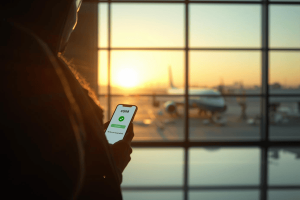
In the high-octane world of international travel, connectivity is the invisible thread that holds a trip together. For the frequent flyer, the transition from one timezone to another should be seamless, but for years, mobile connectivity has been a friction point.