It’s a common travel headache: how do you stay connected without breaking the bank? The answer might be simpler than you think. Enter the eSIM, a digital SIM card that lives inside your phone, offering a new way to manage mobile data abroad.
The big question on every traveler’s mind is whether this technology is truly a money-saver. Can switching to eSIM plans genuinely cut down your travel expenses? This article will explore the truth about the costs associated with staying connected overseas. We’ll break down what eSIMs are, compare them to traditional options, and give you a clear picture of how they can impact your travel budget. Get ready to discover how you can navigate, share, and connect in over 100 countries without the fear of a massive bill waiting for you back home.
Understanding the Shift from Physical SIMs to Digital eSIMs
Before we can determine if eSIMs save you money, it helps to understand what they are and how they differ from the traditional SIM cards we’ve used for decades. A SIM (Subscriber Identity Module) is a tiny chip that connects your device to a mobile network. For years, this meant physically swapping a small plastic card every time you wanted to change carriers or travel to a new country. It was a functional but often clumsy process involving paper clips, tiny trays, and the risk of losing your primary SIM card.
An eSIM, or embedded SIM, is the next evolution of this technology. It’s a small chip that is permanently built into your device’s motherboard. Instead of a physical card, your phone’s “SIM” is a digital profile that you can download and activate. This means you can store multiple cellular plans from different carriers on a single device and switch between them with just a few taps in your settings. Think of it like having several SIM cards ready to go without needing to open your phone.
The convenience is immediate. Imagine landing in Tokyo, scanning a QR code, and instantly connecting to a local Japanese data network. There’s no need to find a store, struggle with a language barrier to buy a local SIM, or pay your home carrier’s steep international roaming fees. This technology streamlines the entire process, putting control directly into your hands. This fundamental difference is what opens the door to significant cost savings, as it gives you the freedom to choose the most affordable data plans for your specific destination.
A Practical Guide to Using eSIM Plans for Travel
Making the switch to eSIM plans is a straightforward process that can transform how you stay connected abroad. The beauty of this technology lies in its simplicity. Once you understand the basic steps, you can say goodbye to roaming fees and SIM card hunting for good. Here’s a practical guide to get you started.
Step 1: Check if Your Device is eSIM-Compatible
Before anything else, you need to confirm that your smartphone supports eSIM technology. Most flagship phones released since 2018—including iPhones, Google Pixels, and Samsung Galaxy devices—are compatible. A quick way to check is to go into your phone’s settings.
- On iPhone: Go to Settings > Cellular. If you see an option like “Add eSIM” or “Add Cellular Plan,” your device is compatible.
- On Android: The path can vary, but it’s usually under Settings > Network & Internet > SIMs. Look for an option to add a network via QR code or an “Add eSIM” button.
Step 2: Choose the Right eSIM Plan for Your Trip
Once you’ve confirmed compatibility, the next step is selecting an eSIM data plan. This is where the savings really begin. Instead of being locked into your home carrier’s expensive one-size-fits-all international package, you can shop for a plan that perfectly matches your trip.
Consider these factors:
- Destination: Are you visiting a single country or multiple? Providers like Terminal eSIM offer country-specific, regional (e.g., Europe, Asia), and global plans.
- Data Amount: How much data will you need? If you just need maps and messaging, a 1-3 GB plan might suffice. If you plan on streaming or video calls, look for 10 GB or more.
- Duration: Plans are typically valid for a set number of days (e.g., 7, 15, or 30 days). Choose one that covers the length of your stay to avoid having to top up.
Step 3: Purchase, Install, and Activate Your eSIM
Purchasing is as easy as buying anything else online. You’ll receive a QR code via email almost instantly. To install it:
- Connect to Wi-Fi: You’ll need an internet connection for the initial setup. It’s best to do this at home or your hotel before you head out.
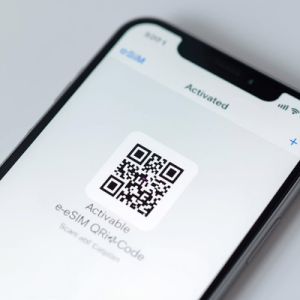
- Scan the QR Code: Go back to your phone’s cellular settings and select the option to add an eSIM. Your phone’s camera will open, allowing you to scan the QR code.
- Follow the Prompts: Your device will guide you through the final steps, which include labeling your new plan (e.g., “Spain Data”) and choosing its role (e.g., primary or secondary data line).
It’s wise to keep your primary SIM active for calls and texts from home but set your new eSIM as the designated line for mobile data. This setup ensures you avoid any accidental roaming charges from your home carrier while enjoying affordable local data.
Cost Comparison: eSIM Plans vs. Traditional Options
To truly see the financial benefits of eSIM technology, it’s helpful to compare it directly against the alternatives. Let’s analyze the typical costs for a two-week trip to Europe, assuming a moderate data usage of 5 GB.
| Connectivity Option | Average Cost for 5GB (2 Weeks in Europe) | Convenience & Setup | Key Drawbacks |
| International Roaming | $70 – $140 ($5-$10 per day) | Highest convenience; automatically works | Extremely expensive; data speeds can be throttled. |
| Local Physical SIM Card | $20 – $40 | Affordable data rates once installed. | Requires finding a store, potential language barriers, and losing access to your primary phone number. |
| Portable Wi-Fi Hotspot | $80 – $120 (rental fee + data) | Connects multiple devices. | Another device to carry, charge, and potentially lose. Often more expensive than eSIMs. |
| Terminal eSIM Plan | $10 – $20 | Instant setup via QR code; keep your primary number; activate upon arrival. | Requires a compatible device. |
As the table clearly shows, eSIM plans emerge as the most cost-effective solution for the modern traveler. International roaming from a home carrier is prohibitively expensive, often costing up to ten times more than an eSIM for the same amount of data. While a local physical SIM card is cheaper than roaming, the initial hassle of acquiring one can be a significant inconvenience, especially after a long flight. Portable Wi-Fi hotspots, though useful for groups, add another layer of complexity and cost.
In contrast, an eSIM from a provider like Terminal eSIM combines the best of both worlds: the affordability of a local SIM with the convenience of instant digital activation. You get access to fast, local networks without the high price tag or logistical headaches, making it the clear winner for saving money while traveling.

Common Questions and Traveler Concerns Answered
As with any new technology, travelers have questions and concerns about how eSIMs work in the real world. Many worry about reliability, compatibility, and whether it’s truly as simple as it sounds. Let’s address some of the most common issues and provide clear, straightforward solutions.
Frequently Asked Questions about Travel eSIMs
- Can I keep my original phone number while using an eSIM?
Yes, absolutely! This is one of the biggest advantages of dual-SIM functionality in modern phones. You can keep your primary physical SIM or eSIM active for receiving calls and text messages on your regular number while using your travel eSIM exclusively for mobile data. This setup lets you stay connected to home while avoiding your carrier’s outrageous data roaming fees. Just be sure to configure your phone’s settings to use the travel eSIM for all cellular data.
- What happens if I use up all the data on my eSIM plan?
Running out of data mid-trip isn’t a problem. Most eSIM providers, including Terminal eSIM, make it easy to top up your plan or purchase a new one directly from their website or app. The process is just as simple as your initial purchase. You can add more data in minutes without needing to find a physical store or even have access to Wi-Fi, as long as you have a minimal cellular connection to access the provider’s site.
- Are eSIMs secure? Is my data safe?
eSIMs are just as secure as physical SIM cards. They use the same encryption and authentication standards established by the GSMA, the global association for mobile network operators. Since the eSIM is embedded in your device, it’s actually more secure in some ways—it can’t be physically removed and stolen if your phone is lost. You are connecting to trusted local networks, ensuring your data is protected just as it would be with a traditional SIM.
- What if I have trouble setting up my eSIM?
While the setup process is designed to be user-friendly, issues can sometimes arise. The most common problem is trying to activate the eSIM without a stable Wi-Fi connection. Always install your eSIM plan before you leave home or once you’ve connected to Wi-Fi at your hotel or the airport. If you still face issues, reputable providers like Terminal eSIM offer 24/7 customer support with clear, step-by-step instructions to get you connected quickly.
The Verdict: A Smarter Way to Stay Connected
After breaking down the costs, convenience, and practicalities, the conclusion is clear: eSIM plans can absolutely save you a significant amount of money while traveling. They offer a powerful alternative to the expensive and often frustrating options of the past. By eliminating exorbitant roaming fees and the hassle of hunting for local SIM cards, eSIMs empower you to take control of your connectivity and your budget.
The savings are not just theoretical. For the price of a single day of international roaming from some carriers, you can often purchase an eSIM plan with enough data to last your entire trip. This allows you to redirect your hard-earned money from your mobile provider to what really matters—enjoying your travels. Whether you’re navigating a new city with Google Maps, sharing photos with family back home, or staying on top of work emails, an eSIM provides reliable, high-speed data at a fraction of the cost.
For digital nomads, frequent flyers, and casual vacationers alike, the shift to eSIM technology represents a smarter, more efficient way to travel. It’s a simple change that delivers immediate and tangible benefits, ensuring you stay connected without the fear of a shocking bill upon your return.
Unlock Seamless Travel with Terminal eSIM
Ready to stop overpaying for mobile data and start traveling smarter? The era of expensive roaming charges and inconvenient SIM swaps is over. With Terminal eSIM, you can access affordable, high-speed data in over 100 countries with just a few taps. Imagine landing at your destination and being online in minutes, ready to explore, share, and connect without a second thought about the cost.
Our eSIM plans are designed for every type of traveler. Whether you need a small data package for a weekend getaway or a robust plan for a month-long adventure, we have you covered. Forget waiting in line for a local SIM card or carrying around another device. The future of travel connectivity is digital, and it’s already here. Join thousands of savvy travelers who have made the switch and experience the freedom of seamless, affordable global internet.
Visit Terminal eSIM today to browse our plans and find the perfect fit for your next journey.