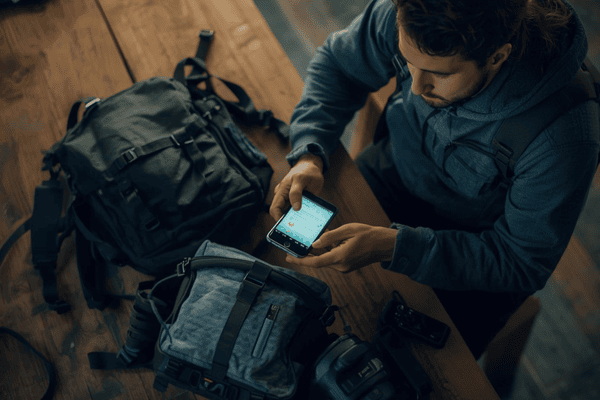
From exorbitant roaming charges to the inconvenience of finding a local SIM provider upon arrival, traditional methods can add unnecessary stress to your trip. Fortunately, there’s a modern solution that simplifies everything: the eSIM.
An eSIM, or embedded SIM, is a digital version of the physical SIM card you’re used to. It’s built directly into your smartphone, allowing you to activate a cellular plan without needing to insert a physical card. This technology is changing how we connect while traveling, offering instant internet access in hundreds of countries. Before your next adventure, understanding how to buy an eSIM can save you time, money, and a lot of trouble. This guide will walk you through everything you need to know, from how eSIMs work to choosing the perfect plan for your travels.
What is an eSIM and Why is it a Traveler’s Best Friend?
To understand the value of an eSIM, it helps to look back at its predecessor: the physical SIM card. For decades, the Subscriber Identity Module (SIM) has been the key to connecting our phones to cellular networks. This small chip stores information that identifies you to a mobile carrier, allowing you to make calls, send texts, and use data. While effective, physical SIMs have their limitations, especially for travelers. They require you to physically swap cards, they can be easily lost or damaged, and buying one in a new country can involve language barriers and complicated registration processes.
The eSIM was developed to solve these problems. First introduced in 2016, the technology replaces the physical chip with a rewritable, embedded one. Think of it as a digital slate inside your phone that can hold multiple cellular profiles at once. When you buy an eSIM plan, you receive a QR code or an in-app prompt to download and install a new cellular profile directly onto your device. This process takes only a few minutes and can be done from anywhere with an internet connection.
For travelers, the benefits are immense. Imagine landing in Tokyo, scanning a QR code you bought before you left home, and being online before you even get off the plane. No more airport kiosk lines or searching for a store that sells local SIMs. With an eSIM, you can maintain your primary phone number for calls and texts while using a secondary, travel-specific eSIM for affordable local data. This dual-SIM capability is a game-changer, giving you the flexibility to stay connected on your own terms. Providers like Terminal eSIM have made this technology accessible, offering plans for over 190 countries, so you can travel the world with confidence and convenience.
Your Practical Guide to Buy an eSIM for Travel
Ready to make the switch? Buying and using an eSIM is a straightforward process. Following these steps will ensure you’re connected and ready to go before your plane even takes off. This guide will help you confidently buy an eSIM and get it set up on your device.
Step 1: Check Your Device for eSIM Compatibility
Before you buy an eSIM plan, the first and most important step is to confirm your phone supports the technology. Most smartphones manufactured since 2018 have eSIM capabilities, but it’s always best to double-check.
- For iPhone: Go to Settings > General > About. Scroll down to find the “Available SIM” or “Digital SIM” section. If you see an IMEI number listed here, your iPhone is eSIM-compatible.
- For Android (Samsung, Google Pixel, etc.): The path can vary. Typically, you can go to Settings > Connections > SIM Card Manager. If you see an option like “Add eSIM” or “Add Mobile Plan,” your device is ready. You can also dial *#06#—if an EID number appears, your phone has an eSIM.
Step 2: Choose and Purchase Your eSIM Plan
Once you’ve confirmed compatibility, it’s time to select a plan that fits your travel needs. Consider the following:
- Destination: Are you visiting a single country or multiple? Regional plans (e.g., Europe, Asia) can be more cost-effective for multi-destination trips.
- Data Amount: How much data will you need? Think about your usage habits. Are you just using maps and email, or will you be streaming videos and making video calls? It’s often better to buy a little more than you think you’ll need.
- Duration: Match the plan’s validity to the length of your trip. Plans can range from a few days to a month or more.
Reputable providers like Terminal eSIM offer a wide range of options. You can easily browse plans by country or region on their website, compare data packages, and complete your purchase in minutes.
Step 3: Install and Activate Your eSIM
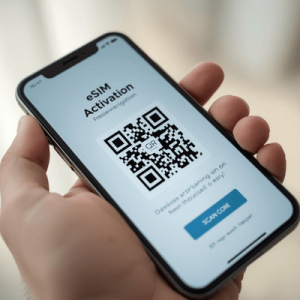
After purchasing, you’ll receive an email with a QR code and activation instructions.
- Connect to Wi-Fi: You need an internet connection to install the eSIM profile.
- Scan the QR Code: On your phone, go to the mobile/cellular settings where you confirmed compatibility. Select “Add eSIM” or “Add Cellular Plan.” Your phone’s camera will open, allowing you to scan the QR code.
- Follow the Prompts: Your phone will guide you through the final steps, which usually involve labeling your new plan (e.g., “Travel eSIM”) and selecting it for cellular data.
- Activate Upon Arrival: It’s best to wait until you land at your destination to turn on your eSIM and enable data roaming for it. This prevents the plan from activating prematurely. Once you arrive, simply switch your cellular data line to your travel eSIM, and you’ll be connected instantly.
Comparing Your Connectivity Options: eSIM vs. Local SIM vs. Roaming
Choosing how to stay connected abroad depends on your priorities. Whether you value convenience, cost, or simplicity, each option has its pros and cons. Here is a comparison to help you decide what’s best for your next trip.
| Feature | eSIM (e.g., Terminal eSIM) | Local Physical SIM | International Roaming |
| Convenience | Excellent. Purchase and install from anywhere before you travel. Instant activation on arrival. | Fair. Requires finding a local store, potential registration, and physical card swapping. | Good. Activates automatically. No setup required. |
| Cost | Excellent. Highly competitive rates for data, often much cheaper than roaming. Pay-as-you-go. | Good. Generally affordable for local data, but can be expensive for regional travel. | Poor. Extremely expensive, with high per-MB or daily flat-rate charges. |
| Flexibility | Excellent. Store multiple eSIMs. Easily switch between plans for different countries. | Poor. Locked to one carrier. Swapping SIMs means losing access to your primary number. | Fair. Works in many countries but is tied to your home carrier’s agreements and prices. |
| Setup Time | Minimal. Less than 5 minutes to install via QR code. | Variable. Can take 30 minutes to an hour, including travel to a store and queuing. | None. Already active on your phone. |
| Best For | Tech-savvy travelers, digital nomads, and anyone wanting instant, affordable connectivity. | Budget travelers staying in one country for an extended period. | Short business trips where convenience outweighs cost, or for emergencies. |
In summary, eSIMs offer a powerful combination of convenience and affordability that traditional options can’t match. While a local SIM can be a good budget choice for long stays in a single country, the hassle of acquiring one is a significant drawback. International roaming remains the least practical option for most travelers due to its prohibitive costs. For the modern traveler, buying an eSIM from a provider like Terminal eSIM is the clear winner, providing a seamless and stress-free connectivity experience from the moment you land.
Common Questions and Concerns About eSIMs Answered
As with any new technology, travelers often have questions about how eSIMs work in practice. From security concerns to managing multiple numbers, it’s important to have clear answers. Here, we address some of the most common queries and trends surrounding travel eSIMs.
Is using an eSIM secure?
Yes, eSIMs are just as secure as physical SIM cards, if not more so. The entire process, from purchase to installation, is digital and encrypted. Because the eSIM is embedded in your device, it cannot be physically stolen and used in another phone, which adds a layer of security if your device is lost or stolen. Reputable providers use secure payment gateways and follow industry standards to protect your data and privacy.
Can I still receive calls and texts on my primary number?
Absolutely. This is one of the biggest advantages of using an eSIM. Most modern smartphones support Dual SIM Dual Standby (DSDS), which allows you to keep both your primary physical SIM and your travel eSIM active at the same time. You can set your travel eSIM as the primary source for mobile data while still being able to receive calls and SMS messages on your regular home number. This is perfect for receiving two-factor authentication (2FA) codes or staying reachable for emergencies without incurring roaming charges for data.
What happens if I use up all my data?
Running out of data mid-trip is a common concern, but with eSIMs, it’s easy to manage. Most eSIM providers, including Terminal eSIM, make it simple to top up your plan. You can typically do this directly through the provider’s website or app. Instead of having to find another physical store, you can purchase additional data from your hotel room, a café, or anywhere you have a Wi-Fi connection. Some providers even send notifications when your data is running low, so you have plenty of time to add more.
Is the eSIM trend here to stay?
All signs point to yes. The adoption of eSIM technology is rapidly growing, with major smartphone manufacturers like Apple, Samsung, and Google making it a standard feature. Apple has even removed the physical SIM tray entirely from its iPhone models in the United States, signaling a full commitment to the eSIM future. For travelers, this means more choices, better prices, and greater convenience as the technology becomes the global standard for mobile connectivity.
Your Journey to Seamless Connectivity Starts Here
Traveling is about freedom—the freedom to explore, to discover, and to connect with the world around you. Yet, for too long, staying connected has been a source of frustration, tethered to expensive roaming plans and inconvenient physical SIM cards. The rise of eSIM technology has finally changed that narrative, putting control back into the hands of the traveler.
We’ve covered how an eSIM is a digital powerhouse, allowing you to download a cellular plan and get online in minutes. We walked through the simple steps to buy an eSIM: checking device compatibility, choosing a plan that fits your itinerary, and activating it with a simple QR code scan. You’ve seen how it stacks up against older methods, offering a superior blend of cost, convenience, and flexibility. By keeping your primary number active for calls while using an affordable eSIM for data, you get the best of both worlds. The common concerns are easily addressed, as eSIMs are secure, easy to top up, and are quickly becoming the new standard for global connectivity.
Stay Connected Effortlessly with Terminal eSIM
Why let connectivity issues dictate your travel experience? Whether you’re a digital nomad hopping between countries, a frequent flyer on a weekend getaway, or a family on a once-in-a-lifetime vacation, staying online should be the easiest part of your trip. With an eSIM, you can say goodbye to roaming bill shock and the hunt for local SIMs forever. You gain the power to connect instantly, wherever your travels take you.
Terminal eSIM is dedicated to providing travelers with reliable, affordable, and instant mobile data in over 190 destinations. Our wide range of flexible plans ensures there’s a perfect fit for every trip and every type of traveler. Stop worrying about finding Wi-Fi and start focusing on your adventure.
Explore plans for your next destination and experience the future of travel connectivity today.