
For modern travelers, the secret to staying connected in France is the embedded SIM, or eSIM. This digital technology is transforming how we use our phones abroad, eliminating the need for physical SIM cards and the frustrating hunt for Wi-Fi.
An eSIM offers immediate, reliable, and affordable data from the moment you land. Whether you’re exploring the lavender fields of Provence, the historic beaches of Normandy, or the bustling markets of Nice, an eSIM ensures you have the internet access you need. In this guide, we’ll explore the top five reasons why travelers are choosing an eSIM for France. From unbeatable convenience to surprising cost savings, you’ll discover why this technology has become an essential travel companion for any French adventure.
What is an eSIM and Why is it Perfect for Travel?
Before we dive into the specific advantages of using an eSIM in France, let’s clarify what it is. An eSIM, or embedded SIM, is a digital SIM card that is built directly into your smartphone, tablet, or smartwatch. Unlike a traditional plastic SIM card that you must physically insert into your device, an eSIM is activated by scanning a QR code or through a provider’s app. This simple process allows you to download a cellular plan directly to your device.
The concept of a SIM card has evolved significantly since its introduction. The first SIMs were the size of a credit card. Over time, they shrank to mini, micro, and finally nano-SIMs, each new version requiring a smaller physical slot in our phones. The eSIM represents the next logical step in this evolution: complete virtualization. By removing the physical component, manufacturers can create more space for other hardware, improve water resistance, and offer users greater flexibility.
For travelers, this flexibility is the key benefit. With an eSIM-compatible device, you can store multiple cellular profiles at once. For example, you could keep your home country’s plan active for calls and texts while using a French eSIM for affordable local data. This dual-SIM capability means you no longer have to choose between staying connected to your primary number and avoiding expensive roaming charges. Instead of swapping tiny plastic cards and risking losing your primary SIM, you can switch between plans with just a few taps in your phone’s settings. This innovation puts you in complete control of your connectivity, making international travel simpler and more efficient than ever before.
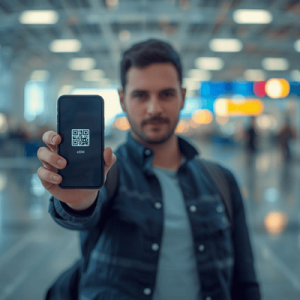

Your Practical Guide to Getting an eSIM for France
Ready to simplify your travel connectivity? Setting up an eSIM for France is a straightforward process that you can complete before you even leave home. This ensures you have data access the moment your plane touches down at Charles de Gaulle or any other French airport. Follow these simple steps to get started.
Step 1: Check Your Device’s Compatibility
First, you need to confirm that your smartphone is eSIM-compatible. Most newer models from major manufacturers like Apple, Samsung, and Google support eSIM technology.
- For iPhone: Go to Settings > Cellular or Mobile Data. If you see an option to “Add eSIM” or “Add Cellular Plan,” your device is compatible. This feature is generally available on iPhone XS, XR, and newer models.
- For Android: The path can vary. Look in Settings > Network & Internet > SIMs. If you see a “+” sign or an option to “Download a SIM instead?,” your phone supports eSIMs. Popular compatible devices include the Samsung Galaxy S20 series and newer, and the Google Pixel 3 and newer.
Step 2: Choose and Purchase Your France eSIM Plan
Once you’ve confirmed compatibility, it’s time to choose a plan. Providers like Terminal eSIM offer a variety of options tailored for travelers. Consider the following when selecting your plan:
- Data Amount: How much data will you need? A 5 GB plan might be enough for a week of light browsing and maps, while a month-long trip with remote work might require 20 GB or more.
- Validity Period: Plans are usually valid for a set number of days (e.g., 7, 15, or 30 days). Choose one that covers the duration of your trip.
- Coverage: Ensure the plan offers robust coverage throughout France, including any rural areas you plan to visit.
You can purchase your plan directly from the provider’s website, and you will receive a QR code via email almost instantly.
Step 3: Install and Activate Your eSIM
This is the easiest part. You have two primary options for installation:
- Before You Travel: Connect to Wi-Fi at home and scan the QR code you received. Follow the on-screen prompts to add the cellular plan. You can label it “France eSIM” to easily identify it. Keep this line turned off until you arrive in France to prevent it from activating early.
- Upon Arrival: Once you land in France, go to your phone’s cellular settings, turn on your new eSIM line, and enable data roaming for it. Your phone will automatically connect to the local network, and you’ll be online in seconds.
By following these steps, you can enjoy hassle-free connectivity and make the most of your French holiday.
Comparing Connectivity Options for Your Trip
When planning a trip to France, deciding on the best way to stay connected is crucial. While options like international roaming from your home provider or buying a local physical SIM card exist, an eSIM often provides the best balance of cost, convenience, and control. Let’s compare these choices side-by-side.
Below is a table that breaks down the key differences between using your home provider’s roaming plan, purchasing a physical SIM card in France, and activating an eSIM.
| Feature | International Roaming | Physical French SIM Card | Terminal eSIM for France |
| Activation | Automatic upon arrival | Requires visiting a store, ID check, and installation | Instant digital activation via QR code before you leave |
| Cost | Very high (often $10+/day or per MB) | Moderate, but can have hidden fees | Low-cost, transparent prepaid plans |
| Convenience | High (no setup) | Low (requires finding a store, language barriers) | Very high (setup from home, instant connectivity) |
| Flexibility | Low (locked into one provider) | Moderate (stuck with one French carrier) | High (store multiple eSIMs, switch plans easily) |
| Primary Number | Keep your number, but at a high cost | Lose access to your primary number (must swap SIM) | Keep your primary number for calls/texts, use eSIM for data |
| Best For | Short business trips where cost is not a concern | Long-term stays or travelers on a very tight budget | Most travelers: short-term and long-term vacationers, digital nomads |
As the comparison shows, international roaming is convenient but prohibitively expensive for most travelers. A physical SIM card offers better rates but comes with significant hassles, including store visits and potential language barriers.
An eSIM for France from a provider like Terminal eSIM emerges as the superior option for the majority of travelers. It combines the convenience of roaming with prices that are often better than local SIMs, all without the need to physically alter your device. You get instant connectivity upon arrival, the ability to manage everything digitally, and the flexibility to keep your home number active. This makes it the most modern, efficient, and traveler-friendly solution available today.
Common Traveler Questions About eSIMs in France
As eSIM technology becomes more popular, travelers naturally have questions about how it works and whether it’s the right choice for them. Here, we address some of the most common concerns and provide clear, straightforward answers to help you travel with confidence.
FAQs for Using an eSIM in France
- Can I still receive calls and texts on my regular phone number?
Yes, you can! This is one of the biggest advantages of using an eSIM. Most smartphones with dual-SIM capabilities allow you to keep your primary physical SIM or eSIM active for calls and texts while using your French eSIM for mobile data. When setting up your eSIM, your phone will prompt you to choose which line to use for data and which for voice/texts. This way, you won’t miss important calls or authentication messages sent to your home number.
- What happens if I run out of data on my eSIM plan?
Running out of data mid-trip is not a problem. Most eSIM providers, including Terminal eSIM, make it easy to top up your plan or purchase a new one. This can typically be done directly through the provider’s website or app. The process is just as simple as your initial purchase. You’ll get a new data package activated on your existing eSIM profile within minutes, without needing a new QR code. It’s always a good idea to monitor your data usage in your phone’s settings to know when you’re running low.
- Does the eSIM give me a French phone number?
Most travel-focused eSIM plans are data-only, meaning they do not come with a local French phone number. This is usually sufficient for modern travelers who rely on internet-based apps like WhatsApp, FaceTime, or Skype for communication. These apps use your data plan to make calls and send messages. If you absolutely need a local number for making traditional calls to French landlines or businesses, you might need to look for a specific eSIM plan that includes a voice and text package or consider a physical SIM card as a supplement.
- Is the network coverage reliable with an eSIM?
Absolutely. An eSIM does not determine network quality; it’s simply the technology that connects you to a network. eSIM providers partner with major local carriers in France, such as Orange, SFR, or Bouygues Telecom. This means you get the exact same reliable, high-speed 4G/LTE or 5G coverage that local residents use. You can expect strong signal strength in cities and popular tourist areas, and dependable service throughout the French countryside. Your connection quality will be just as good, if not better, than what you would get with a physical SIM from the same local network.
The 5 Key Reasons an eSIM Wins for France
To bring it all together, let’s recap the top five reasons why an eSIM is the best connectivity choice for your French adventure. These advantages demonstrate why so many experienced travelers have made the switch and won’t go back to the old ways of connecting abroad.
First, immediate connectivity upon arrival. With an eSIM, you are online the second you turn off airplane mode. There’s no time wasted searching for a SIM card vendor at the airport or navigating public spaces without access to maps or ride-sharing apps.
Second is unbeatable convenience. You can research, purchase, and install your eSIM from the comfort of your home before your trip begins. The entire process is digital, with no tiny plastic cards to handle or lose. It’s a simple, stress-free setup.
Third, an eSIM is highly cost-effective. It helps you avoid the exorbitant fees associated with international roaming. Prepaid eSIM plans offer transparent pricing, so you know exactly what you’re paying for, with data rates that are often more competitive than local physical SIMs.
Fourth is the flexibility of dual-SIM functionality. You can keep your primary number active for important calls and texts while using the eSIM for affordable, high-speed data. This dual-SIM capability offers the best of both worlds without compromise.
Finally, an eSIM offers enhanced security. Because there’s no physical card to be stolen, your cellular plan is more secure. This digital format reduces the risk of SIM-swapping fraud and gives you one less thing to worry about while enjoying your travels.
Experience France with Seamless Connectivity
Your trip to France should be about creating memories, not managing mobile data. It’s about savoring a fresh croissant in a Parisian café, marveling at the art in the Louvre, and soaking up the sun on the French Riviera. The last thing you want is the hassle of finding unreliable Wi-Fi or the shock of a massive phone bill when you return home. An eSIM frees you from these worries, providing a modern, elegant solution for staying connected.
For digital nomads who need to work from anywhere, families who want to share their journey with loved ones, or solo adventurers who rely on their phone for navigation and translation, an eSIM is the perfect travel partner. It offers the freedom and flexibility to explore France on your own terms, backed by reliable, high-speed internet. You can instantly book a train to Lyon, look up museum hours in Marseille, or video call family from the top of Mont Saint-Michel.
Don’t let connectivity be an obstacle. Embrace the smarter way to travel. Explore the affordable and convenient eSIM France plans at Terminal eSIM today and make your next French holiday the most connected and seamless one yet.