Gone are the days of fumbling with tiny plastic SIM cards or hunting for unreliable public Wi-Fi. The solution is an eSIM, a digital SIM that lets you activate a cellular plan on your device without a physical card.
Using an eSIM in the Philippines means you can have data access the moment you land. This allows you to navigate with maps, book rides, translate conversations, and share your adventures online instantly. It offers flexibility, cost savings, and peace of mind. In this guide, we’ll explore the best eSIM providers for your Philippine journey, helping you choose the right plan for your travel style. We’ll compare the top options, provide practical tips for setup, and ensure you have all the information needed for a connected and stress-free vacation.
What Exactly is an eSIM and Why is it Perfect for the Philippines?
Before we dive into the top providers, let’s clarify what an eSIM is and why it has become a game-changer for international travelers. An eSIM, or embedded Subscriber Identity Module, is a small chip built directly into your smartphone, tablet, or smartwatch. Unlike a traditional physical SIM card that you must insert and swap, an eSIM can be programmed remotely. Think of it as a digital, rewritable SIM card.
The technology first emerged around 2016 and has been steadily gaining adoption by major device manufacturers like Apple, Samsung, and Google. Initially, its use was limited, but as more people sought convenience and flexibility, phone makers and network carriers embraced the standard. Now, most modern flagship phones come with eSIM capability, allowing users to store multiple cellular profiles on a single device. For example, you can have your home country’s plan and a travel eSIM active at the same time, switching between them with just a few taps.
This technology is especially beneficial for a destination like the Philippines. The country is a collection of thousands of islands, and travel between them can be frequent. Having an eSIM means you don’t have to worry about finding a store to buy a local SIM card in a new city or remote area. You can purchase and install your data plan before you even leave home. Upon landing at Ninoy Aquino International Airport (MNL) in Manila or Mactan-Cebu International Airport (CEB), you can switch on your eSIM and immediately have data to book a Grab car or let your family know you’ve arrived safely. It eliminates the language barrier at phone kiosks and protects you from the inflated prices sometimes found at airport stalls.

How to Choose and Activate Your eSIM Philippines Plan
Getting started with an eSIM for your trip to the Philippines is straightforward. The process is entirely digital and can be completed in minutes. Here’s a practical guide to help you choose the right plan and activate it on your device.
Step 1: Check Your Device Compatibility
First, ensure your phone supports eSIM technology. Most smartphones released in the last few years are compatible. This includes:
- iPhones from the XR/XS series onwards
- Samsung Galaxy S20 series and newer
- Google Pixel 3 and newer
- Many other flagship models from various brands
A quick way to check is by going into your phone’s settings under “Cellular” or “Mobile Data.” If you see an option like “Add Cellular Plan” or “Add eSIM,” your device is ready. Also, make sure your phone is “unlocked,” meaning it is not restricted to a single carrier.
Step 2: Choose the Right Provider and Plan
With compatibility confirmed, it’s time to select an eSIM provider. Consider these factors when making your choice for an eSIM Philippines plan:
- Data Amount: How much data will you need? If you primarily use maps and messaging, a smaller plan (e.g., 3-5 GB) might suffice. For streaming video, frequent social media uploads, or remote work, look for larger plans (10 GB or more).
- Validity Period: Match the plan’s duration to your trip length. Options typically range from 7 to 30 days. Some providers offer longer validity for extended stays.
- Coverage: While most major eSIM providers offer excellent coverage in urban areas like Metro Manila, Cebu, and Davao, check if their network partners (usually Globe or Smart) have strong signals in the specific rural or remote islands you plan to visit.
- Price: Compare the cost per gigabyte to find the best value. Global providers like Terminal eSIM often offer competitive rates that are cheaper than roaming with your home carrier.
Step 3: Purchase and Install Your eSIM
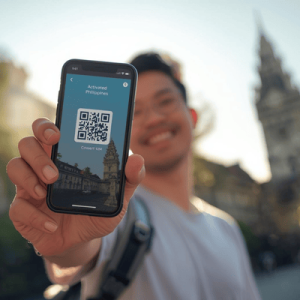
Once you’ve selected a plan, the purchase process is simple. You’ll complete the transaction on the provider’s website, like Terminal eSIM. After payment, you will receive an email containing a QR code.
To install it:
- Go to your phone’s cellular settings.
- Select “Add eSIM” or “Add Cellular Plan.”
- Scan the QR code from the email using your phone’s camera.
- Follow the on-screen prompts to label your new eSIM (e.g., “Philippines Travel”).
- Set it as your primary line for cellular data. It’s best to wait until you arrive in the Philippines to activate it to ensure the validity period starts upon use.
Comparing the Top eSIM Providers for the Philippines
Choosing the right eSIM provider can significantly impact your travel experience. To simplify your decision, we’ve compared five leading options available for travelers heading to the Philippines. The table below breaks down their key features, helping you find the best fit for your budget and data needs.
| Feature | Terminal eSIM | Airalo | Holafly | Smart Communications | Globe Telecom |
| Target Audience | Global Travelers | Budget Travelers | Heavy Data Users | Local & Tourists | Local & Tourists |
| Typical Plan | 10 GB for 30 days | 5 GB for 30 days | Unlimited data for 15 days | Prepaid Tourist SIM | Prepaid Tourist SIM |
| Network Partner | Globe / Smart | Globe / Smart | Globe / Smart | Smart | Globe |
| Special Feature | Flexible plans, high-speed data, multi-country options | App-based management | Unlimited data plans | Physical SIM available | Physical SIM available |
| Ease of Setup | QR code install | QR code install | QR code install | In-person purchase | In-person purchase |
| Price Point | $$ (Value-focused) | $ (Budget-friendly) | $$$ (Premium) | $ (Local rates) | $ (Local rates) |
Key Insights from the Comparison
Terminal eSIM strikes an excellent balance between generous data allowances, long validity periods, and competitive pricing, making it a strong all-around choice for most travelers. Its use of top local networks ensures reliable coverage across the islands.
Airalo is a great option for short trips or light data users, offering smaller, more affordable packages. Holafly, on the other hand, caters to data-hungry users with its unlimited plans, though these come at a higher price point.
Smart Communications and Globe Telecom are the two major local carriers. While they offer very cheap prepaid rates, they require you to purchase a physical SIM or find a way to get their eSIM upon arrival, which can be less convenient than setting up a global eSIM before your trip. For ultimate convenience and a guarantee of connectivity from the moment you land, a global provider like Terminal eSIM is often the superior choice.
Common Questions and Solutions for Using an eSIM in the Philippines
Navigating a new technology in a foreign country can bring up some questions. To ensure your experience is seamless, let’s address some common concerns travelers have about using an eSIM in the Philippines and provide straightforward solutions.
Frequently Asked Questions (FAQs)
- Can I keep my home number for calls and texts while using a travel eSIM?
Yes, absolutely. This is one of the biggest advantages of dual-SIM phones with eSIM capability. You can set your travel eSIM (e.g., from Terminal eSIM) as your primary source for mobile data while keeping your home SIM active for receiving calls and SMS messages, such as verification codes from your bank. In your phone’s settings, you can designate which line is used for data, calls, and texts. - What happens if I use up all my data?
Most eSIM providers make it easy to manage your data. With providers like Terminal eSIM, you can often purchase a top-up plan directly through their website or app. You’ll receive a new QR code or activation instructions to add more data to your plan without needing a new eSIM profile. It’s wise to monitor your data usage in your phone’s settings to avoid running out unexpectedly. - Is the internet speed good with an eSIM in the Philippines?
The internet speed you experience depends on the local network infrastructure, not the eSIM itself. eSIM providers partner with major local carriers like Globe and Smart, which offer robust 4G/LTE and growing 5G coverage, especially in cities and popular tourist areas. In urban centers like Manila and Cebu, you can expect fast speeds suitable for streaming, video calls, and large downloads. In more remote or rural islands, the connection might be slower, which would be the same for a physical SIM on the same network. - Can I share my eSIM data with other devices using a hotspot?
This depends on the specific provider and plan. Many global eSIM providers, including Terminal eSIM, allow tethering or personal hotspots. This is incredibly useful if you’re traveling with a laptop or with family members who need to connect their devices. However, some unlimited data plans may restrict hotspot usage, so it’s always best to confirm this feature before purchasing a plan. - What should I do if my eSIM isn’t working after I land?
First, don’t panic. The issue is usually a simple settings adjustment.
- Check that your eSIM is turned on in your phone’s cellular settings.
- Ensure that Data Roaming is enabled for your travel eSIM profile. This is often required for the eSIM to connect to the local partner network.
- Verify that the eSIM is selected as your primary line for mobile data.
- Restart your phone. This classic trick can often resolve minor connectivity issues.
If problems persist, contact your eSIM provider’s customer support. They can typically troubleshoot the issue with you quickly.
Summary: Finding Your Perfect Philippine Connection
Choosing the right connectivity solution for your trip to the Philippines is a crucial step in ensuring a smooth and enjoyable journey. We’ve explored how eSIM technology offers a modern, convenient, and cost-effective alternative to traditional physical SIM cards. By allowing you to purchase and install a data plan before you even leave home, an eSIM removes the stress of finding a local SIM upon arrival and ensures you’re connected from the moment you land.
We delved into the key factors for selecting an eSIM Philippines plan, including data allowance, validity, network coverage, and price. Our comparison of top providers highlighted the different strengths of each: Airalo for budget-conscious travelers, Holafly for those needing unlimited data, and the local carriers for in-person purchases. For most travelers, however, a global provider like Terminal eSIM offers the ideal blend of generous data, reliable coverage across the archipelago, and straightforward setup. By understanding your own data needs and trip duration, you can confidently select a plan that keeps you connected without breaking the bank.
Ready for Your Philippine Adventure? Stay Connected with Terminal eSIM
Your trip to the Philippines deserves to be filled with incredible memories, not connectivity headaches. Whether you’re a digital nomad needing reliable internet to work from a beachfront cafe in Siargao, a family sharing vacation photos from Bohol, or a solo adventurer navigating the rice terraces of Banaue, a dependable data connection is non-negotiable. With an eSIM, you have the power to stay connected effortlessly.
Terminal eSIM is designed for the modern traveler. We offer a range of flexible and affordable plans for the Philippines, all running on the country’s top networks to give you the best possible coverage. Forget about airport SIM queues and confusing local plans. With just a few clicks, you can have a high-speed data plan ready to go on your phone. Enjoy the freedom to explore, share, and connect seamlessly from the moment you touch down.
Visit Terminal eSIM today to browse our plans for the Philippines and make connectivity the easiest part of your travel planning.