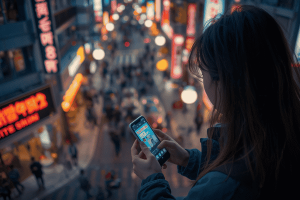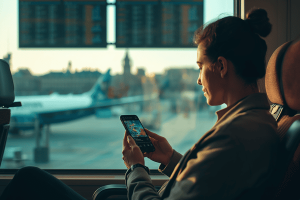
But nothing kills a travel buzz faster than seeing “No Service” on your phone or coming home to a massive roaming bill.
In the past, landing in KLIA meant hunting for a SIM card kiosk, standing in line with tired travelers, and fumbling with tiny pins to swap out your physical SIM. It was a hassle. Today, digital nomads and savvy tourists have moved on to a smarter solution: the eSIM. It’s instant, digital, and often much cheaper than traditional roaming.
If you are planning a trip to Southeast Asia, you are likely asking: “What is the best eSIM for Malaysia?” The answer depends on your data needs, budget, and how long you plan to stay. In this guide, we will break down everything you need to know to stay connected effortlessly, so you can focus on enjoying your nasi lemak instead of searching for Wi-Fi.
The Evolution of Connectivity: Why eSIMs Rule in Malaysia
To understand why eSIMs are changing the travel game, we have to look at how connectivity has evolved in Malaysia. Historically, Malaysia has had excellent telecommunications infrastructure. Major local providers like Maxis, Celcom, Digi, and U Mobile offer robust coverage across the peninsula and parts of Borneo.
However, for a tourist, accessing these networks wasn’t always seamless. You had to unlock your phone, ensure it was compatible with local bands, and physically buy a plastic SIM card. This often involved handing over your passport for registration at a busy airport counter—not exactly a relaxing start to a vacation.
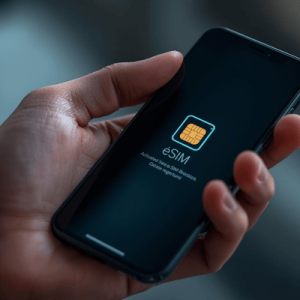
The Embedded Subscriber Identity Module, or eSIM, has completely disrupted this old model. An eSIM is a digital version of the traditional SIM card. It is a small chip already embedded inside your smartphone (iPhone XR and newer, Google Pixel 3 and newer, and most recent Samsung flagships). You don’t insert anything; you simply download a data profile.

Why Malaysia is an eSIM Hotspot
Malaysia is arguably one of the most “connected” countries in Southeast Asia. The government has pushed hard for digital adoption, and 4G/5G coverage is widespread in urban centers. This infrastructure makes Malaysia the perfect place to use an eSIM. You get local speeds without the local administrative headaches.
When you use an eSIM, you are essentially renting access to these high-speed local towers through a global provider like Terminal eSIM. This means:
- No plastic waste: You aren’t throwing away a SIM card after two weeks.
- Dual SIM capability: You can keep your home number active for bank OTPs and emergency calls while using the eSIM for cheap local data.
- Instant activation: You can purchase your plan while sitting in the airport lounge in London or New York and have it ready the moment your plane touches down in Sepang.
For expats living in Malaysia or digital nomads doing a “visa run,” eSIMs offer flexibility that traditional contracts cannot. You aren’t tied to a 12-month telco agreement. You simply buy data as you need it. This shift from physical hardware to software-based connectivity is the biggest leap in travel tech since the smartphone itself.
Practical Guide: How to Choose the Best eSIM for Malaysia
Finding the right data plan can feel overwhelming because there are so many options. To find the best eSIM for Malaysia, you need to look beyond just the price tag. Here is a practical guide on what to look for and how to get set up.
1. Assessing Your Data Habits
Before you buy, be honest about how you travel.
- The Light User: You rely mostly on hotel Wi-Fi. You only need data for Grab (taxi app), Google Maps, and WhatsApp text messages. Recommendation: 1GB to 3GB plan.
- The Social Traveler: You post Instagram Stories daily, video call home occasionally, and browse restaurant reviews constantly. Recommendation: 5GB to 10GB plan.
- The Digital Nomad: You work from cafes, attend Zoom meetings, and stream Netflix on the bus to the Cameron Highlands. Recommendation: 20GB to Unlimited Data.
2. Coverage is King
Cheap data is useless if it doesn’t work. When evaluating providers, check which local networks they partner with. In Malaysia, you want an eSIM that connects to Celcom or Maxis. These two networks generally offer the widest coverage, especially if you venture outside of Kuala Lumpur into rural areas or islands like Langkawi and Perhentian. Terminal eSIM, for example, prioritizes tier-one network partners to ensure you aren’t left with a weak “E” signal when you need 4G or 5G.
3. Activation Policy
Read the fine print on when the plan starts.
- On Installation: Some plans start ticking down the moment you scan the QR code. Avoid these if you are buying weeks in advance.
- On Connection: The best plans (like those from Terminal eSIM) only activate the validity period once the eSIM connects to a supported network in Malaysia. This allows you to install it comfortably at home before you fly.
4. The Setup Process (Step-by-Step)
Setting up an eSIM is easier than most people think. Here is the typical workflow:
- Purchase: Buy your plan online. You will receive a QR code via email.
- Install (Before Flying): Go to your phone settings (Cellular/Mobile Data > Add eSIM). Scan the QR code. Label it “Malaysia Travel.”
- Arrival: When you land, go back to settings. Turn on the “Malaysia Travel” line. Ensure “Data Roaming” is ON for the eSIM line (but OFF for your home line to avoid fees).
- Surf: Your phone should connect automatically within a minute.
5. Tethering and Hotspots
If you travel with a laptop or iPad, ensure your chosen eSIM supports tethering (Personal Hotspot). Some “unlimited” plans from competitors restrict hotspot usage, forcing you to work off your phone screen. Always look for plans that explicitly allow you to share your data connection.
Comparison Table: Top eSIM Options for Malaysia
To help you make an informed decision, we have compared different tiers of connectivity. Travelers have different needs, so we have broken this down by user type.
Note: Prices and features are estimates based on current market averages and Terminal eSIM offerings.
| Feature | Terminal eSIM (Recommended) | Local Airport SIM Kiosk | Competitor “Unlimited” Plans | Roaming with Home Carrier |
| Best For | Smart travelers, Nomads, Tourists | Budget backpackers with time to spare | Heavy data users (with caveats) | Business travelers with expense accounts |
| Setup Time | Instant (Digital) | 30-60 mins (Queue + Install) | Instant (Digital) | Instant (Automatic) |
| Network Quality | High (Tier-1 Partners) | High (Local Telco Direct) | Variable (Often throttled) | Variable (Depends on agreement) |
| Price (5GB/30 Days) | ~$12 – $15 USD | ~$8 – $10 USD | ~$20+ USD | $10/Day ($100+ total) |
| Convenience | ⭐⭐⭐⭐⭐ | ⭐⭐ | ⭐⭐⭐⭐ | ⭐⭐⭐⭐⭐ |
| Physical Swap? | No (Keep home SIM inside) | Yes (Must remove home SIM) | No | No |
| ID Registration | None required usually | Passport Scan Required | None required usually | None required |
| Tethering | Allowed | Allowed | Often Blocked or Slowed | Allowed |
Key Insights from the Comparison
The Airport SIM Trap: While buying a local SIM at KLIA might save you a few dollars (literally the cost of a coffee), the cost in time and convenience is high. You have to find the kiosk, wait in line, hand over your passport, and risk losing your tiny home SIM card.
The “Unlimited” Illusion: Many competitors market “Unlimited Data” for Malaysia. However, if you read the fair usage policy (FUP), they often throttle your speed down to 2G levels (128kbps) after you use 1GB or 2GB in a day. This makes the “unlimited” claim misleading.
The Terminal eSIM Advantage: Terminal eSIM focuses on clear, high-speed data packages. You know exactly what you are getting—premium bandwidth without the throttling surprises. For most travelers, a dedicated 5GB or 10GB high-speed package offers a far better experience than a throttled “unlimited” plan. Plus, the ability to keep your home number active for emergencies is a safety feature money can’t buy.
Common Trends, FAQs, and Troubleshooting for Malaysia Travelers
Travel connectivity is changing fast. Here are the current trends affecting travelers in Southeast Asia, along with solutions to common problems.
Trend: The Rise of Regional eSIMs
Many travelers don’t just stop in Malaysia. They do the “Banana Pancake Trail”—Thailand, Vietnam, Malaysia, and Singapore.
- The Problem: Buying a separate eSIM for every country is annoying and expensive.
- The Solution: Look for Regional Asia eSIMs. Terminal eSIM offers regional packs that cover multiple countries with a single installation. You cross the border from Singapore to Johor Bahru, and your signal just switches over automatically. It is seamless.
Trend: 5G Expansion in Malaysia
Malaysia is aggressively rolling out 5G, particularly in Kuala Lumpur, Penang, and Johor.
- The Impact: Speeds are incredible in city centers.
- The Caveat: 5G drains battery life faster. If you are out all day exploring the Batu Caves, you might want to toggle your phone to “4G LTE Only” to save battery, unless you specifically need ultra-fast download speeds.
Troubleshooting: “My Data Isn’t Working!”
It happens to the best of us. If you land in Malaysia and can’t connect, try these steps:
- Check Roaming: Is “Data Roaming” toggled ON for the eSIM line? (It must be on).
- Check APN: Sometimes the Access Point Name (APN) doesn’t auto-fill. Check your installation email for the correct APN settings and enter them manually.
- Airplane Mode: Toggle Airplane mode on for 10 seconds, then off. This forces the phone to search for the nearest tower again.
- Network Selection: Turn off “Automatic Network Selection” and manually select a carrier (try Celcom or Maxis) to see which one offers a stronger signal.
Frequently Asked Questions
- Can I use WhatsApp with a Malaysia eSIM?
Yes, absolutely. Your WhatsApp account is linked to your phone number, not your data connection. You can change your data source to the eSIM and keep using WhatsApp with your original home number and contacts. You don’t need to update your number in the app. - Is my phone compatible with an eSIM?
Most premium phones from 2018 onwards are compatible. This includes iPhone XR/XS and newer, Samsung Galaxy S20 and newer, and Google Pixel 3 and newer. You can verify this by dialing *#06#. If you see an “EID” number, your phone is eSIM capable. Note: Your phone must also be carrier-unlocked. - How much data does Google Maps use?
Google Maps is surprisingly efficient. It uses about 5MB to 10MB per hour of active navigation. However, downloading offline maps for Kuala Lumpur or Penang while on Wi-Fi is a pro tip that saves data and battery. - Can I top up my data if I run out?
Yes. With Terminal eSIM, you don’t need to install a new profile. You can usually purchase a “top-up” package that adds more data to your existing eSIM instantly. - Is public Wi-Fi enough in Malaysia?
Public Wi-Fi is common in malls and cafes in KL, but it is often insecure and spotty. Relying on it means you can’t call a Grab car when you are stuck on a street corner in the rain. Having your own data connection is essential for safety and convenience.
Summary: Staying Connected in Malaysia
Traveling through Malaysia should be about the experience—the food, the culture, and the adventure—not about stressing over connectivity. We have covered a lot of ground, so here is a quick recap of why finding the best eSIM for Malaysia matters:
- Convenience: Skip the airport queues and the hassle of physical SIM cards. Download your plan before you leave home.
- Cost-Effectiveness: Avoid the exorbitant daily fees of international roaming from your home carrier.
- Flexibility: Choose a data plan that fits your specific needs, whether you are a light user or a heavy streamer.
- Dual Connectivity: Keep your home number active for 2FA and emergencies while using a local data line for everything else.
- Regional Options: If you are touring Southeast Asia, look for regional packs to avoid buying multiple plans.
Malaysia is a modern, tech-forward country. Your connectivity solution should match that. By choosing a reliable eSIM, you ensure that you have access to maps, translation apps, and ride-sharing services exactly when you need them.
Ready for Your Malaysian Adventure?
You have booked the flights. You have packed the sunscreen. Now, make sure your phone is ready for the journey.
Don’t wait until you are stranded without a signal in a foreign airport. Get your connectivity sorted today so you can hit the ground running. Whether you are capturing the sunset over George Town or navigating the jungle trails of Taman Negara, Terminal eSIM keeps you connected to what matters most.
We offer high-speed, reliable, and affordable eSIM plans specifically tailored for travelers to Malaysia. Our plans connect to top-tier local networks, ensuring you get the best possible coverage and speed without the hidden fees or throttling.
Stop worrying about roaming charges and start planning your itinerary. Check out our flexible Malaysia data plans and experience the freedom of true global connectivity.
Get connected instantly with the best rates: Browse Terminal eSIM Malaysia Plans