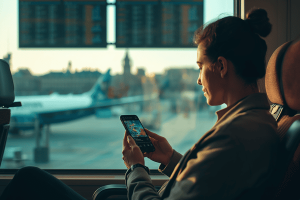
Yet, landing in a new country often comes with the stress of figuring out mobile data, whether it’s unreliable airport Wi-Fi or waiting to buy a local SIM. It’s a challenge countless globetrotters face, and it can easily put a damper on your journey right from the start.
Staying connected is no longer a luxury; it is a necessity. Whether you need Google Maps to find that hidden gem of a restaurant, Uber to get around, or just want to post a quick Instagram story, reliable connectivity is key. For years, travelers juggled expensive roaming fees, pocket Wi-Fi devices, and physical SIM cards. But recently, a new contender has changed the game.
The eSIM is rapidly becoming the standard for modern globetrotters. But is it truly the best option? In this guide, we will break down everything you need to know about using an eSIM for your next adventure. We will explore how it works, compare it to traditional methods, and help you decide if it is the right choice for your specific travel needs.
What is an eSIM and How Does It Work?
Before we dive into why you might want one, it is important to understand what an eSIM actually is. The term stands for “embedded SIM.” Unlike the traditional plastic cards you have to physically insert into your phone using a tiny, easy-to-lose tool, an eSIM is a small chip built directly into your device’s hardware.
The Evolution of Connectivity
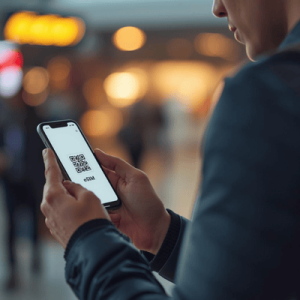
Think of it as the digital evolution of the SIM card. Mobile phones have been shrinking their SIM slots for years—from the credit-card-sized full SIM to mini, micro, and finally, nano SIMs. The eSIM is the next logical step. It removes the physical component entirely for the user. Instead of swapping chips, you download a digital data plan, usually via a QR code or an app, and activate it instantly.
Why It Matters for Travelers
This technology allows your phone to connect to cellular networks without needing a physical card from that specific carrier. Most modern smartphones, including iPhones (XR and newer), Samsung Galaxy S20 series and up, and Google Pixel devices, are eSIM compatible. Some newer models, like the US version of the iPhone 14 and 15, have ditched the physical SIM tray altogether, relying solely on eSIM technology.
When you use a provider like Terminal eSIM, you aren’t tied to a single local carrier’s shop hours or inventory. You are essentially downloading a profile that tells your phone, “Hey, connect to this local network.” This means you can keep your home number active for important calls or 2FA texts while using a travel eSIM for affordable data. It is a dual-sim setup without the hassle of juggling two physical cards.
Practical Guide: Tips for Getting the Best Internet for Travel
Finding reliable internet for travel doesn’t have to be complicated. If you have decided to try an eSIM, there are a few practical steps to ensure you have a seamless experience. Here is how to navigate the process like a pro.
Check Device Compatibility
Before you purchase any plan, the absolute first step is verifying your phone is unlocked and eSIM-compatible.
- Carrier Lock: If you bought your phone on a contract, it might be locked to your home carrier. Call them to request an unlock before you leave.
- Hardware: Go to your phone settings. On an iPhone, look under Settings > Cellular. If you see an “Add eSIM” option, you are likely good to go.
Choosing the Right Plan
Not all travel internet needs are the same. A backpacker streaming videos in hostels needs different data than a business traveler checking emails.
- Estimate Your Usage: If you rely heavily on maps and social media, aim for at least 3GB to 5GB per week.
- Regional vs. Local Plans: Are you visiting just Italy, or touring all of Europe? Regional plans cover multiple countries, saving you from buying a new eSIM every time you cross a border.
Installation Best Practices
We recommend setting up your eSIM before you fly.
- Purchase your plan: Buy your plan from Terminal eSIM while you still have stable home Wi-Fi.
- Scan and Install: Follow the instructions to scan the QR code. Label the new line “Travel” or the country name to avoid confusion.
- Turn off Data Roaming on your Primary Line: This is crucial. Go to your settings and ensure “Data Roaming” is OFF for your primary home number to avoid massive bill shock.
- Activate Upon Arrival: Once you land, simply toggle your Travel line on and enable “Data Roaming” for that specific eSIM line only.
Troubleshooting Connection Issues
If you land and don’t have service immediately:
- Toggle Airplane Mode: Turn it on for 10 seconds, then off. This forces the phone to search for the nearest tower.
- Check APN Settings: Sometimes, the Access Point Name (APN) needs to be entered manually. Your eSIM provider will supply this info.
- Manually Select Network: If automatic selection fails, go into cellular settings and manually select the carrier partner listed by your eSIM provider.
Comparison: eSIM vs. Pocket Wi-Fi vs. Roaming
To truly determine if an eSIM is the superior choice for internet for travel, we need to look at how it stacks up against the alternatives. Travelers usually choose between three main options: International Roaming from their home carrier, renting a Pocket Wi-Fi device, or buying a prepaid eSIM.
Here is a detailed breakdown of how these options compare regarding pricing, convenience, and features.
| Feature | Travel eSIM (e.g., Terminal eSIM) | Pocket Wi-Fi | International Carrier Roaming |
| Cost | Low. Usually prepaid flat rates ($5-$30 depending on GB). No hidden fees. | Medium/High. Daily rental fees ($8-$15/day) plus deposit and insurance. | High. often $10/day or exorbitant pay-per-MB rates. |
| Setup | Instant. Download and activate in minutes. No physical pickup required. | Slow. Requires picking up the device at the airport or shipping it home. | Easy. Usually automatic, but expensive. |
| Convenience | High. Built into your phone. Nothing to carry or charge. | Low. Another device to carry, charge, and return. Easy to lose. | High. Uses your existing phone setup. |
| Device Sharing | Limited. You can use a personal hotspot, but it drains the phone battery. | Good. Connects multiple devices easily (5-10 devices). | Varies. Hotspotting usually allowed but eats into expensive data limits. |
| Physical SIM | Kept Safe. Your home SIM stays in your phone (safe from loss). | N/A. External device. | Kept Safe. Stays in phone. |
| Risk | Low. If you delete it, you can usually reinstall or buy a new one. | High. If you lose the device, you pay a steep penalty fee ($100+). | High. Risk of massive “bill shock” if roaming isn’t managed correctly. |
Key Insights
Looking at the table, the eSIM is the clear winner for solo travelers, couples, and digital nomads who prioritize convenience and cost. You avoid the logistical headache of renting and returning a Pocket Wi-Fi router. More importantly, you avoid the predatory pricing of traditional carrier roaming packages.
Pocket Wi-Fi still has a niche for large families who need to connect 5+ iPads and laptops simultaneously, but for the vast majority of modern travelers, the eSIM offers the perfect balance of price and performance. You get local speeds at local prices, all managed directly from your screen.
Trends, Common Concerns, and FAQs
As the travel industry rebounds and evolves, the demand for seamless internet for travel has skyrocketed. We are seeing a massive shift away from physical SIM cards. In fact, industry analysts predict that physical SIM slots might disappear entirely from smartphones within the next five to seven years. This trend is driven by the need for better waterproofing and more internal space for bigger batteries.
However, many travelers still hesitate to switch. Let’s address some common concerns and clarify the “problems” people often associate with digital SIMs.
The “Tech-Savvy” Myth
One major barrier is the belief that you have to be a tech wizard to use an eSIM. This is false. If you can scan a QR code for a restaurant menu, you can install an eSIM. User interfaces have improved drastically, making the process intuitive.
The Fear of Losing Your Number
Another common worry is losing access to your main phone number (for WhatsApp, iMessage, or bank OTPs). With an eSIM, you don’t remove your physical SIM. You can set your phone to use your Home SIM for calls/texts (keeping your number active) and the eSIM for data. This is the best of both worlds.
Frequently Asked Questions
Q: Can I use WhatsApp with an eSIM?
A: Yes! When you switch to an eSIM for data, WhatsApp will ask if you want to keep your existing number. Simply select “Yes,” and you can message and call exactly as you did at home, using the eSIM’s data connection.
Q: Does an eSIM drain my battery faster?
A: Generally, no. While searching for a signal in a bad coverage area drains battery regardless of SIM type, an eSIM itself is very power-efficient. In fact, it is more efficient than using a constant Bluetooth connection to a Pocket Wi-Fi device.
Q: What happens if I run out of data mid-trip?
A: This is one of the biggest advantages of providers like Terminal eSIM. You don’t need to find a store to buy a “top-up” card. You can simply log into the website or app, purchase a data top-up, and it activates instantly.
Q: Can I install the eSIM before I leave my country?
A: Yes, and we highly recommend it! You can install the profile while at home. It just won’t connect to a network until you arrive at your destination. This ensures you have internet the moment the plane wheels hit the tarmac.
Summary
Navigating the world of internet for travel doesn’t have to be a headache. We have covered a lot of ground, so let’s recap the key takeaways to help you make your decision.
- Convenience is King: The eSIM eliminates the need for physical stores, tiny ejector tools, and keeping track of small plastic chips. It is instant, digital connectivity.
- Cost-Effective: Compared to carrier roaming fees which can run up to $10 a day, eSIMs offer substantial savings with prepaid, transparent pricing.
- Dual Connectivity: You can keep your home number active for emergencies and two-factor authentication while using the eSIM for data, giving you safety and functionality.
- Device Compatibility: While most new phones work perfectly, always double-check your specific model before purchasing.
- Security: Using cellular data via an eSIM is generally more secure than connecting to random, open public Wi-Fi networks in cafes or airports, protecting your personal data.
For the modern traveler, the flexibility of choosing a plan that fits the exact length and data requirements of a trip is unbeatable. It is a streamlined solution for a streamlined travel experience.
Why Terminal eSIM is Your Best Travel Companion
So, is an eSIM the best option for internet for travel? For the vast majority of travelers, the answer is a resounding yes. It represents the intersection of affordability, ease of use, and reliability. Gone are the days of hunting for a local SIM vendor in a foreign language or panicking over a lost physical card.
Whether you are a digital nomad needing reliable uploads in Bali, a business traveler requiring instant email access in London, or a vacationer navigating the streets of New York, Terminal eSIM has a plan tailored for you. We offer high-speed coverage in over 150 countries, with packages designed to fit short weekend getaways or month-long expeditions.
Don’t let connectivity issues ruin the magic of your next trip. Embrace the future of travel technology and land with confidence, knowing you are connected from the moment you arrive.
Ready to upgrade your travel experience? Check out our affordable data plans today at Terminal eSIM.