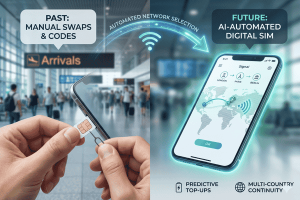
The days of exorbitant roaming charges, frantic SIM card swaps, and unreliable public Wi-Fi are, thankfully, becoming relics of the past. Today, the modern traveler demands seamless, affordable, and flexible connectivity, making the quest for the best international mobile plan a top priority.
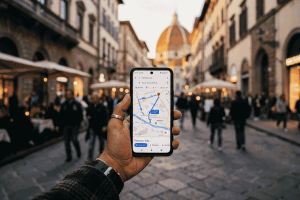
Imagine landing in a new country and instantly being able to hail a ride, navigate to your hotel, or share your arrival with loved ones – all without the stress of finding a local SIM or activating a costly roaming package. This isn’t a futuristic dream; it’s the reality offered by innovative solutions like eSIMs. This comprehensive guide is designed to cut through the confusion and equip frequent flyers, digital nomads, and globetrotters with all the information needed to choose the ultimate international mobile plan that keeps them connected, productive, and worry-free wherever their adventures take them.
Understanding the Evolution of Global Connectivity
For decades, international travel meant a significant hurdle when it came to mobile communication. Travelers were faced with a limited set of often frustrating options, each with its own drawbacks. Understanding this evolution helps appreciate the transformative power of modern connectivity solutions.
The Era of Roaming Charges and Local SIMs
In the not-so-distant past, using your home country’s SIM card abroad often resulted in what many came to call “bill shock.” International roaming charges were notoriously high, with every call, text, and megabyte of data racking up significant costs. This led many savvy travelers to seek alternatives.
The most common solution was purchasing a local SIM card upon arrival. This approach had its advantages: typically cheaper local rates and dedicated local numbers. However, it also came with a host of inconveniences:
- Finding a vendor: Often the first task after a long flight was to locate a mobile store, which might be closed or far from the airport.
- Language barriers: Communicating your needs in a foreign language could be challenging.
- Registration requirements: Many countries require passport registration, adding another layer of bureaucracy.
- Losing your primary number: Swapping SIMs meant temporarily losing access to your home number for calls and authentication.
- Managing multiple SIMs: For multi-country trips, this meant accumulating a collection of plastic cards.
These challenges, while manageable for a single, extended trip, became a significant burden for frequent flyers who might visit several countries in a short span.

The Rise of Portable Wi-Fi Hotspots
As data became more central to travel, portable Wi-Fi hotspots emerged as another popular option. These devices allowed travelers to create a personal Wi-Fi network, connecting multiple devices (phones, laptops, tablets) to the internet.
Pros:
- Convenient for multiple devices.
- Can be shared among travel companions.
- Avoids swapping SIMs.
Cons:
- Another device to carry and charge.
- Rental costs could add up, especially for frequent travel.
- Data caps and speed limitations often applied.
- Dependence on the device’s battery life.
While an improvement, portable hotspots still added bulk and cost, and didn’t solve the issue of having a local number for calls or texts.
The eSIM Revolution: A Game Changer
The latest and arguably most impactful innovation in international mobile plans is the embedded SIM, or eSIM. Unlike traditional physical SIM cards, an eSIM is a small chip built directly into your device (smartphone, tablet, smartwatch). Instead of swapping physical cards, you can download and activate mobile plans digitally.
How it works:
When you purchase an eSIM plan, you receive a QR code or an activation code. Scanning this code with your compatible device instantly downloads the profile of your new mobile plan. This means you can store multiple eSIM profiles on one device and switch between them with ease, all without ever touching a physical SIM card tray.
The eSIM technology has fundamentally reshaped the landscape for frequent flyers, offering unprecedented flexibility, convenience, and often, significant cost savings. It’s no longer about finding the “best physical SIM” but about finding the most suitable digital plan for your travels.
Choosing the Best International Mobile Plan: A Practical Guide
Selecting the ideal international mobile plan requires careful consideration of your travel habits, data needs, and communication preferences. Here’s a step-by-step guide to help you navigate the options and make an informed decision.
1. Assess Your Travel Frequency and Destinations
- How often do you travel internationally?
- Infrequent traveler: A pay-as-you-go eSIM plan for specific destinations might suffice.
- Frequent flyer (monthly/bi-monthly): A regional or global eSIM plan offering bundles across multiple countries will be more cost-effective and convenient.
- Digital nomad/long-term traveler: Look for plans with longer validity periods and potentially higher data allowances.
- Where do you travel most often?
- Specific region (e.g., Europe, Asia): Consider a regional eSIM plan that covers all countries within that area. These are often more economical than individual country plans.
- Globally diverse destinations: A global eSIM plan, though potentially more expensive per GB, offers unparalleled convenience and coverage across numerous countries.
2. Understand Your Data Needs
- Light user (email, maps, messaging): 1-3 GB per week might be enough.
- Moderate user (social media, streaming, video calls): 5-10 GB per week is a safer bet.
- Heavy user (constant streaming, remote work, large file transfers): You’ll need 20 GB or more, or plans with unlimited data where available.
Always err on the side of caution. It’s better to have slightly more data than run out mid-trip. Most eSIM providers allow easy top-ups if needed.
3. Compare Plan Features and Flexibility
- Data-only vs. Voice/Text/Data: Most international eSIMs are data-centric. If you need local calls and texts, check if the plan includes them or if you’ll rely on VoIP apps (WhatsApp, Skype, Facetime) and your home number for SMS verification.
- Validity Period: How long does the plan last? Some are valid for 7 days, others for 30 days, 60 days, or even longer. Match this to your trip duration.
- Speed and Network: Ensure the eSIM provider partners with reliable local networks that offer good speed and coverage in your destinations.
- Tethering/Hotspot capability: Can you use your phone as a hotspot for other devices? This is crucial if you travel with a laptop or multiple gadgets.
- Top-up options: Is it easy to add more data if you run out?
- Customer Support: Look for providers with responsive 24/7 customer support, especially when dealing with connectivity abroad.
4. Check Device Compatibility
Not all phones support eSIMs. Most newer flagship models from Apple (iPhone XR and later), Samsung (Galaxy S20 and later), Google Pixel (Pixel 3 and later), and some other manufacturers are eSIM compatible. Always verify your device’s compatibility before purchasing an eSIM plan.
5. Consider Multi-Country vs. Single-Country Plans
- Single-country plans: Best for extended stays in one specific nation. Often offer better local rates.
- Multi-country/Regional plans: Ideal for travelers visiting several countries within a region (e.g., a European tour). Offers seamless transition between borders without switching plans.
- Global plans: Perfect for truly frequent flyers who hop between continents. While potentially more expensive per GB, the convenience is unparalleled.
6. Read Reviews and Compare Pricing
Always read reviews from other travelers. Look for feedback on network reliability, ease of activation, and customer support. Compare the per-GB cost across different providers, but don’t just focus on price. Value often lies in reliability and convenience.
For seamless global connectivity, many frequent flyers are turning to platforms like Terminal eSIM, which offers a wide array of plans tailored for various travel needs. Explore their options at https://terminalesim.com to find a plan that fits your itinerary perfectly.
International Mobile Plan Comparison Table
To give you a clearer picture, let’s look at a hypothetical comparison of different types of international mobile plans. While specific providers and prices change constantly, this table illustrates the key factors to consider when evaluating your options.
| Feature | Traditional Roaming (Home Provider) | Local Physical SIM | Portable Wi-Fi Hotspot | eSIM (e.g., Terminal eSIM) |
| Setup & Activation | Automatic | Manual purchase & swap | Rental & setup | Digital activation (QR) |
| Cost | Very High | Low to Moderate | Moderate (rental) | Low to Moderate |
| Convenience | High (no effort) | Low (time-consuming) | Moderate (extra device) | Very High (instant) |
| Data Plans | Often limited/expensive | Varies by country | Varies by rental plan | Highly flexible, diverse |
| Coverage | Dependent on home provider | Local network only | Dependent on hotspot | Extensive, multi-network |
| Phone Number | Retain home number | New local number | No phone number | Retain home number (data only), or new number (some plans) |
| Physical Item? | No | Yes (swap required) | Yes (carry, charge) | No |
| Multi-country use? | Yes (expensive) | No (requires new SIM) | Often regional | Yes (seamless switching) |
| Flexibility | Low | Moderate | Moderate | Very High |
| Best for | Emergencies, very short trips | Long stays in one country | Group travelers | Frequent flyers, digital nomads, multi-country trips |
Key Insights from the Comparison:
The comparison clearly highlights why eSIMs are rapidly becoming the preferred choice for frequent international travelers. While traditional roaming offers convenience, its cost is prohibitive. Local SIMs are cheap but inconvenient and lack multi-country flexibility. Portable hotspots solve some data needs but add another device and aren’t as agile.
eSIMs, particularly those from dedicated providers like Terminal eSIM, combine the best aspects: convenience of instant activation, flexibility with diverse plans, often lower costs than roaming, and seamless operation across multiple borders without the hassle of physical swaps. This makes them an unparalleled solution for anyone whose life involves regular international movement.
Addressing Frequent Flyer Concerns: Trends, FAQs, and Solutions
Frequent flyers encounter unique challenges when it comes to staying connected. Let’s delve into some common concerns, current trends, and provide practical solutions.
Current Trends in International Mobile Connectivity
- The Dominance of eSIM: eSIM technology is no longer a niche product; it’s becoming mainstream. More phone manufacturers are integrating it, and more mobile operators and dedicated eSIM providers are offering plans. This widespread adoption means better competition, more diverse plans, and ultimately, better value for travelers.
- Increased Data Needs: With remote work, content creation, and constant communication, data consumption abroad is surging. Plans are adapting to offer larger data allowances, and even “unlimited” data options (often with fair usage policies) are becoming more common.
- Focus on Regional and Global Plans: Providers are recognizing the multi-country nature of modern travel. Regional eSIMs (e.g., Europe, Asia-Pacific) and truly global plans that cover dozens of countries are gaining traction, simplifying connectivity for complex itineraries.
- Integration with Travel Apps: Expect more seamless integration of eSIM purchasing and management within popular travel apps, further streamlining the user experience.
Frequently Asked Questions (FAQs)
Q1: Is my phone compatible with eSIM?
A1: Most modern flagship smartphones released after 2018 are eSIM compatible (e.g., iPhone XS/XR and newer, Samsung Galaxy S20 and newer, Google Pixel 3 and newer). It’s best to check your phone’s settings or the manufacturer’s specifications to confirm.
Q2: Can I use my home SIM and an eSIM at the same time?
A2: Yes, this is one of the biggest advantages of eSIM! Most eSIM-compatible phones support Dual SIM Dual Standby (DSDS). This means you can keep your physical home SIM active for calls/texts (and receiving verification codes) while using your eSIM for data abroad, giving you the best of both worlds.
Q3: Is an eSIM secure?
A3: Yes, eSIMs are highly secure. They are provisioned digitally and are less susceptible to physical theft or tampering than traditional SIM cards. The digital nature also makes them more resistant to cloning.
Q4: What if I run out of data on my eSIM plan?
A4: Most eSIM providers, including Terminal eSIM, offer easy top-up options. You can usually purchase additional data packages directly through their app or website, which activate almost instantly, allowing you to continue your connection without interruption.
Q5: Are eSIM data speeds comparable to local physical SIMs?
A5: Yes, eSIMs generally offer speeds comparable to local physical SIMs, as they connect to the same underlying local mobile networks. Your speed will depend on the specific network’s infrastructure in that area, just like with any other mobile plan.
Recap: Your Path to Seamless Global Connectivity
Navigating the world of international mobile plans can seem daunting, but armed with the right knowledge, frequent flyers can unlock a new level of travel freedom. We’ve journeyed through the evolution of global connectivity, from the pain points of traditional roaming and local SIMs to the transformative power of eSIM technology.
The key takeaways for any frequent flyer looking for the best international mobile plan are:
- Assess Your Needs: Understand your travel patterns, destinations, and data consumption.
- Embrace eSIM Technology: It offers unparalleled flexibility, convenience, and cost-effectiveness for multi-country travel.
- Compare Wisely: Look beyond just price; consider coverage, validity, data allowances, and customer support.
- Utilize Dual SIM Functionality: Keep your home number active while using an eSIM for data abroad.
Choosing the right connectivity solution means more than just saving money; it means peace of mind. It means being able to confidently land in a new city, knowing you can immediately access maps, communicate with colleagues, or share your adventures with family. It means staying productive as a digital nomad, without the constant search for Wi-Fi or the worry of data caps.
Stay Connected, Effortlessly, with Terminal eSIM
For the frequent flyer, the digital nomad, and the adventurous globetrotter, the pursuit of the perfect international mobile plan ends with solutions designed for modern travel. Terminal eSIM stands at the forefront of this revolution, offering a diverse range of eSIM plans crafted to meet the dynamic needs of global travelers.
With Terminal eSIM, you gain access to:
- Global Coverage: Plans that span multiple countries and regions, ensuring you’re always connected, wherever your journey takes you.
- Flexible Data Packages: From short trips to extended stays, find the perfect data allowance and validity period to match your itinerary.
- Instant Activation: Say goodbye to physical SIM cards and hello to seamless, digital activation with a simple QR code scan.
- Cost-Effective Connectivity: Avoid exorbitant roaming charges and enjoy competitive rates that keep your travel budget in check.
- Reliable Network Access: Connect to top-tier local networks for fast, stable, and secure internet access.
Don’t let connectivity concerns overshadow the excitement of your next international adventure. Empower your travels with a reliable, flexible, and affordable international mobile plan. Choose the smart way to stay connected, productive, and in touch with the world.
Ready to transform your travel connectivity?
Explore the perfect eSIM plan for your next journey and experience truly global freedom.