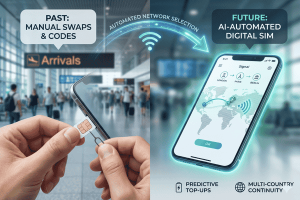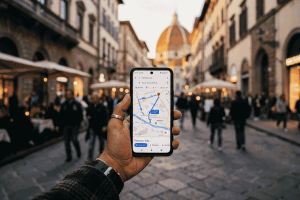
Like any technology, the world of eSIMs has a few common pitfalls that can trip up even seasoned travelers. From hidden fees and confusing activation processes to limited coverage in remote areas, a little knowledge can go a long way.
Understanding these potential issues is the key to a smooth, stress-free experience. A great eSIM service should simplify your travels, not complicate them. This guide will walk you through the five most common eSIM service pitfalls and provide clear, actionable advice on how to avoid them. By the end, you’ll be equipped to choose the right plan, manage your data effectively, and stay connected wherever your adventures take you, ensuring your focus remains on the journey, not your phone’s connectivity.
What is an eSIM and How Does it Work?
Before diving into the pitfalls, let’s establish a clear understanding of what an eSIM is. An eSIM, or embedded SIM, is a digital version of the traditional physical SIM card. Instead of a removable plastic chip, the eSIM is a small chip that is built directly into your device’s motherboard during manufacturing. This technology is becoming standard in modern smartphones, tablets, and smartwatches.
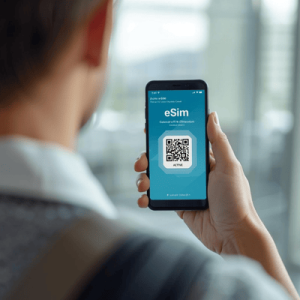
So, how does it function? When you purchase an eSIM plan, you receive a QR code or a manual activation code from your provider. You then scan this code or enter the details into your device’s settings. This process securely downloads a carrier profile onto the embedded chip, effectively activating your cellular plan. Your phone can store multiple eSIM profiles at once, allowing you to switch between different carriers or plans without physically changing cards. For example, you could have your primary domestic plan and a separate travel data plan on the same device, toggling between them as needed.
This innovation offers several advantages over traditional SIMs.
- Convenience: No more searching for a SIM card ejector tool or worrying about losing a tiny chip. Activation is entirely digital and can be done from anywhere with an internet connection.
- Flexibility: Store multiple plans from different carriers and switch between them easily. This is perfect for travelers who need local rates in various countries or for people who want separate numbers for personal and business use.
- Security: An embedded SIM cannot be physically removed if your device is lost or stolen, making it more difficult for thieves to take over your phone number.
The shift from physical to digital is a natural evolution in mobile technology. Just as we moved from physical media to streaming services, eSIMs represent a more efficient, flexible, and modern way to manage mobile connectivity. As more device manufacturers embrace this technology, it is quickly becoming the new standard for global communication.
How to Navigate Common eSIM Service Pitfalls
Choosing the right eSIM service is crucial for a seamless travel experience. While the technology is powerful, the quality of the provider makes all the difference. Some providers complicate what should be a simple process with confusing plans, poor support, and hidden limitations. To ensure you’re getting the best possible experience, it’s important to be aware of the common issues and know how to sidestep them. Here are five major pitfalls and practical tips for avoiding them.
Pitfall 1: Hidden Fees and Unclear Pricing
One of the most frustrating experiences is discovering unexpected charges on your bill. Some eSIM providers attract customers with low advertised prices, only to add taxes, activation fees, or other surcharges at checkout. Another common issue is unclear data-per-day limits or throttling policies that significantly slow your internet speed after you’ve used a certain amount of data, even on an “unlimited” plan.
- How to Avoid It: Always read the fine print before purchasing. Look for a provider that offers transparent, all-inclusive pricing. Terminal eSIM, for instance, displays the final price upfront, so what you see is what you pay. Check the plan details for any fair usage policies or throttling thresholds to understand exactly what you’re buying.
Pitfall 2: Complicated Activation and Installation
An eSIM should be simple to set up. However, some providers have convoluted activation processes that require multiple steps, technical know-how, or contacting customer support. This defeats the purpose of the technology’s convenience, especially if you’re trying to get connected quickly after landing in a new country.
- How to Avoid It: Choose a provider known for a user-friendly experience. Look for clear, step-by-step instructions, video tutorials, or an intuitive mobile app. The process should be as simple as scanning a QR code and tapping a few buttons. Check customer reviews to see what others say about the ease of installation.
Pitfall 3: Limited or Unreliable Network Coverage
Not all eSIM services are created equal when it comes to network coverage. A provider might offer a plan for a specific country, but its partner networks may only cover major cities, leaving you without a signal in rural or remote areas. Relying on a single, low-quality network can result in slow speeds and dropped connections.
- How to Avoid It: Research the provider’s network partners in your destination. Reputable eSIM services partner with top-tier local carriers to ensure broad, reliable coverage. Look for providers that offer access to multiple networks in a single country, as your device can then automatically switch to the strongest available signal.
Pitfall 4: Inadequate or Unresponsive Customer Support
When you’re in a different time zone and run into a connection issue, you need support that is available and effective. A common pitfall is choosing a provider with limited support hours (e.g., 9-to-5 in a single time zone) or channels limited to slow email responses. A lack of 24/7, multi-language support can leave you stranded.
- How to Avoid It: Prioritize providers that offer 24/7 customer support through multiple channels, such as live chat, email, and WhatsApp. Check for a comprehensive help center or FAQ section on their website. This ensures that no matter where you are or what time it is, help is available if you need it.
Pitfall 5: Inflexible Plans and Topping-Up Difficulties
Your travel plans can change, and your data needs might be unpredictable. Some eSIM services lock you into rigid plans with no option to top up your data if you run low. You may be forced to purchase an entirely new plan, which is inefficient and costly.
- How to Avoid It: Opt for a flexible eSIM service that allows you to easily add more data to your existing plan. Providers like Terminal eSIM let you top up directly from their app or website, so you can extend your connectivity without interruption. Look for a range of plan durations and data amounts to find one that best fits your itinerary.
eSIM Provider Comparison: What to Look For
Choosing an eSIM provider requires more than just comparing prices. Key features like network quality, customer support, and plan flexibility are just as important. To help you make an informed decision, here is a comparison table outlining what separates a top-tier provider like Terminal eSIM from average ones.
| Feature | Terminal eSIM | Average eSIM Provider |
| Pricing | Transparent, all-inclusive pricing. No hidden fees or taxes at checkout. | Advertised price is often pre-tax. May have activation fees or other surcharges. |
| Coverage | Partners with leading local carriers for premium, high-speed network access. | Often uses cheaper, lower-tier networks, which can result in slower speeds and spotty coverage. |
| Activation | Simple, instant activation via QR code. Clear instructions for a smooth setup. | Activation process can be complex, sometimes requiring manual configuration or support contact. |
| Flexibility | Wide range of plans (local, regional, global) with easy top-up options available. | Rigid plans. Topping up may not be possible, forcing the purchase of a new plan. |
| Customer Support | 24/7 multilingual support via live chat, email, and other channels. | Limited support hours, often restricted to a single time zone and email communication. |
The key takeaway from this comparison is that a quality eSIM service prioritizes the user experience from start to finish. While an average provider might offer a seemingly cheaper plan, the potential for hidden costs, poor coverage, and activation headaches can quickly negate any initial savings. A premium provider invests in strong network partnerships and robust customer support to ensure a reliable and stress-free experience. Ultimately, the best choice is a provider that offers a combination of fair pricing, excellent coverage, and dependable support, allowing you to travel with confidence.
Traveler Concerns and eSIM FAQs
Navigating the world of eSIMs can bring up questions, especially for first-time users. Addressing these concerns is key to building confidence in the technology. From device compatibility to data security, travelers want assurance that their connectivity solution is reliable and straightforward. Here are answers to some of the most frequently asked questions.
1. Is my phone compatible with eSIM?
Most smartphones released in the last few years are eSIM-compatible, including iPhones (from the XS model onwards), Google Pixels (from the Pixel 3 onwards), and Samsung Galaxy S series (from the S20 onwards). However, compatibility can vary by region and carrier model. The best way to be certain is to check your phone’s settings. On an iPhone, go to Settings > Cellular. If you see an option to “Add eSIM” or “Add Cellular Plan,” your device is compatible. On Android, you can typically find this under Settings > Network & Internet > SIMs. Most eSIM provider websites also have an up-to-date list of compatible devices.
2. Can I use my regular phone number while using an eSIM for data?
Yes, absolutely. This is one of the biggest advantages of dual SIM technology. You can keep your primary SIM or eSIM active for calls and texts on your regular number while using a travel eSIM for mobile data. This setup allows you to avoid expensive international roaming charges from your home carrier while remaining reachable on your primary number. When setting up your eSIM, your phone will prompt you to designate which line to use for voice, messages, and cellular data.
3. What happens if I use all my eSIM data?
This depends on your provider. With some providers, your connection will simply stop working. You would then need to purchase an entirely new plan to get back online. However, better eSIM services offer a more flexible solution. With a provider like Terminal eSIM, you will receive a notification when your data is running low. You can then easily top up your existing plan through their app or website, adding more data without needing to install a new eSIM profile. This ensures continuous connectivity without any hassle.
4. Is it safe to use an eSIM?
eSIMs are generally considered more secure than physical SIM cards. Since the SIM is embedded in your device, it cannot be physically removed and stolen. This prevents “SIM swapping” attacks, where a thief could potentially take control of your phone number to access personal accounts. The activation process is also secure, using an encrypted QR code to download the carrier profile. As long as you purchase your eSIM from a reputable provider, it is a very safe way to manage your mobile connectivity.
A Quick Recap: Your Path to Seamless Connectivity
Making the switch to an eSIM is a smart move for any traveler, but success lies in choosing the right provider and knowing how to avoid common issues. We’ve covered the most significant pitfalls that can turn a convenient technology into a travel headache. By being proactive, you can ensure a smooth and reliable connection wherever you go.
Let’s recap the key takeaways:
- Embrace Transparency: Always opt for providers with clear, all-inclusive pricing to avoid surprise fees.
- Prioritize Simplicity: The activation process should be effortless. Look for a simple QR code setup.
- Check the Coverage: Verify that the provider partners with top-tier local networks for strong, reliable service.
- Demand Great Support: Choose a service that offers 24/7 customer support to help you with any issues, anytime.
- Stay Flexible: Look for plans that are easy to top up, so you never have to worry about running out of data.
By keeping these five points in mind, you can sidestep the frustrations and fully enjoy the benefits of eSIM technology. Your focus should be on your destination, not on debugging your data plan.
Travel Smarter with Terminal eSIM
You deserve a travel experience free from connectivity worries. An eSIM should simplify your journey, offering instant internet access without the stress of hunting for Wi-Fi or paying for expensive roaming. The pitfalls we’ve discussed—hidden fees, complex setups, spotty coverage, poor support, and inflexible plans—are exactly what separates a mediocre eSIM service from a great one. Don’t let these issues disrupt your adventures.
At Terminal eSIM, we built our service around the needs of modern travelers, digital nomads, and frequent flyers. We believe in transparent pricing, so you’ll never face unexpected charges. Our activation process is as simple as scanning a QR code, getting you online in minutes. We partner with the best networks in over 190 countries to provide you with fast, reliable coverage. And if you ever need help, our 24/7 multilingual support team is available 24/7.
Stop settling for complicated and unreliable connectivity. Experience the freedom of seamless travel with a data plan that just works. Explore our affordable, flexible plans today and make your next trip the most connected one yet.
Visit Terminal eSIM to find the perfect plan for your next destination.