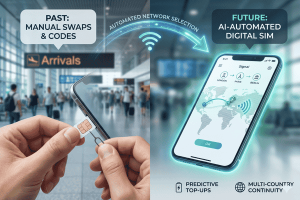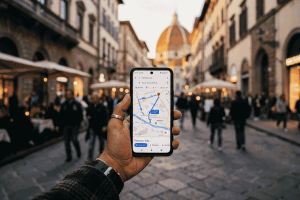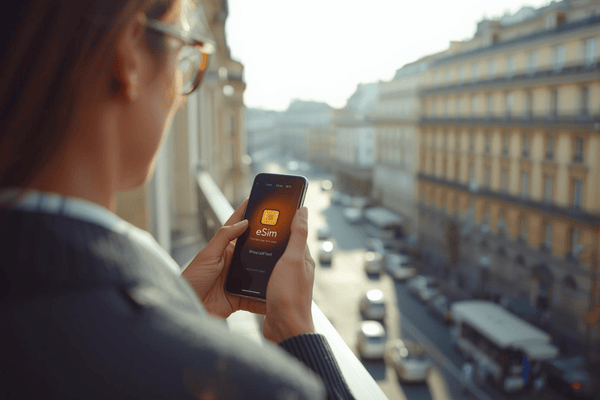
This isn’t a futuristic travel hack; it’s the reality of using a prepaid eSIM.
As we move through 2026, the way we stay connected while traveling has fundamentally shifted. The traditional physical SIM card, once the gold standard for global roaming, is rapidly becoming a relic of the past. For modern travelers, digital nomads, and business professionals, the prepaid eSIM has emerged as the most efficient, cost-effective, and secure way to bridge the connectivity gap.
Whether you’re planning a weekend getaway to Paris or a three-month trek across Southeast Asia, understanding how this technology works is essential. In this comprehensive guide, we’ll dive deep into the world of prepaid eSIMs, comparing them to traditional methods, and showing you exactly why they should be the first thing you “pack” for your next adventure.
What Exactly Is a Prepaid eSIM? The Digital Evolution of Connectivity
To understand a prepaid eSIM, we first have to look at the “e.” The “e” stands for embedded. Unlike the plastic cards we’ve spent decades swapping in and out of our phones, an eSIM is a small chip built directly into your device’s motherboard during manufacturing. It performs the exact same function as a physical SIM—identifying you to a mobile network—but it does so entirely through software.
A Brief History of the SIM
The evolution of the SIM card has always been about miniaturization:
- Standard SIM: The size of a credit card (1991).
- Mini and Micro SIM: Getting smaller to save phone space.
- Nano SIM: The tiny chip we use today.
- eSIM: The final step—removing the physical object entirely.
A prepaid eSIM takes this digital hardware and applies a “pay-before-you-go” model. You purchase a specific amount of data (e.g., 5GB or 10GB) or a specific duration (e.g., 7 days or 30 days) for a specific region. Once you’ve used your allotment or the time expires, the service simply stops. There are no contracts, no hidden monthly fees, and no surprise “overage” charges.
Why “Prepaid” Is the Traveler’s Best Friend
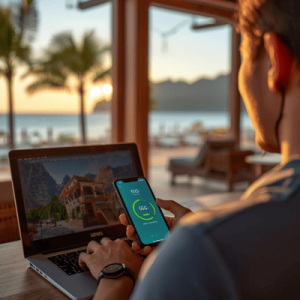
For an international traveler, the “prepaid” aspect is a massive safety net. When you use your home carrier’s roaming service, you are often billed “post-paid,” meaning you use the data first and see the cost later. This often leads to “bill shock”—the terrifying experience of finding out that a few hours of GPS navigation cost more than your hotel stay. With a prepaid eSIM, you are the master of your budget. You pay $20 upfront, and that is exactly what you spend.
How to Use a Prepaid eSIM: A Practical Step-by-Step Guide
Getting started with a prepaid eSIM is significantly easier than finding a local SIM shop in a foreign city. However, there are a few technical prerequisites you need to check before you buy.
Step 1: Check Your Compatibility
Not every phone supports eSIM technology, though most flagship models released after 2019 do.
- iPhone: iPhone XS, XR, and all subsequent models (11, 12, 13, 14, 15, 16, and the latest 17 series).
- Samsung: Galaxy S20 and newer, as well as the Z Fold/Flip series.
- Google Pixel: Pixel 3 and newer.
- Crucial Note: Your device must be unlocked. If your phone is still on a payment plan with your home carrier (like Verizon, AT&T, or Vodafone), they may have “locked” the device to their network, preventing you from using a third-party eSIM.
Step 2: Choose Your Plan
This is where the flexibility of a prepaid eSIM shines. You can choose plans based on your specific itinerary:
- Country-Specific: Best for long stays in one place (e.g., 10GB for Japan).
- Regional: Perfect for backpacking (e.g., a “Europe” plan that covers 35+ countries).
- Global: Ideal for frequent flyers or business travelers touching down in multiple continents.
Step 3: Installation and Activation
The beauty of a prepaid eSIM is that you can set it up from your couch before you even leave for the airport.
- Purchase: Select your plan on a platform like Terminal eSIM.
- Scan: You’ll receive a QR code via email. Go to your phone’s settings (Cellular/Mobile Data > Add eSIM) and scan the code.
- Label: Give your new eSIM a name like “Italy Travel” so you don’t get it confused with your primary line.
- Activate: Most plans only start their “countdown” once you connect to a local network at your destination. When you land, simply toggle the “Data Roaming” switch to ON for your travel eSIM.
Pro Tip: Always keep your primary (home) SIM active for calls and SMS to receive bank 2FA codes, but set your prepaid eSIM as the “Primary Data” line to avoid roaming fees.
Comparing Your Options: eSIM vs. Physical SIM vs. Roaming
When deciding how to stay connected, it helps to see the data side-by-side. While each method has its place, the prepaid eSIM offers a unique balance of cost and convenience.
Comparison Table: International Connectivity in 2026
| Feature | Prepaid eSIM | Local Physical SIM | International Roaming |
| Convenience | Instant digital setup; no store visit. | Requires finding a shop & swapping cards. | Automatic, no setup required. |
| Cost | Low (Prepaid data bundles). | Very Low (Local rates). | High ($10–$15/day typically). |
| Security | High (Cannot be physically stolen). | Low (Risk of losing home SIM). | High (Standard network security). |
| Phone Number | Usually data-only. | Includes local number. | Keeps your home number. |
| Multi-Country | Regional plans available. | Usually limited to one country. | Works globally, but expensive. |
| 5G Access | Common in most major hubs. | Standard on local plans. | Often throttled or restricted. |
Key Insight
While a local physical SIM might save you a few dollars over a prepaid eSIM, the trade-off is the “hidden cost” of time. Do you want to spend the first two hours of your vacation standing in a queue at a mobile kiosk, or would you rather be halfway to your hotel with a working GPS? For most travelers, the instant activation of an eSIM is worth the minor price difference.
2026 Trends and Frequently Asked Questions
The world of eSIMs is evolving fast. In 2026, we are seeing the rise of Satellite-Backed eSIMs, which allow for connectivity even in remote areas where cell towers don’t reach. Additionally, AI-driven platforms are now beginning to auto-select the strongest local carrier for you, ensuring you aren’t stuck on a congested network.
Troubleshooting Common Problems
Even with the best tech, hiccups happen. Here is how to solve the most common prepaid eSIM issues:
- “No Service” after landing: This is usually because “Data Roaming” is turned off. Even though it’s a travel SIM, your phone technically sees it as “roaming” on a foreign network.
- Stuck on “Activating”: Ensure you have a stable Wi-Fi connection during the initial installation.
- Slow Speeds: Try manually selecting a different network carrier in your phone’s settings. Sometimes “Automatic” selection picks the cheapest network rather than the fastest.
Frequently Asked Questions (FAQs)
- Can I use WhatsApp with a prepaid eSIM?
Absolutely. Since WhatsApp uses your data connection, it works perfectly. You can even keep your original phone number on WhatsApp while using the eSIM for data.
- Does a prepaid eSIM expire?
Yes, most have a validity period (e.g., 7, 15, or 30 days) that starts the moment you first connect to a network abroad.
- Can I make phone calls with a travel eSIM?
Most travel eSIMs are “data-only.” This means you can’t make traditional “cellular” calls, but you can use FaceTime, WhatsApp, Skype, or Zoom to call anyone in the world.
- What happens if I run out of data?
With a provider like Terminal eSIM, you can usually “top up” through the website or app, adding more gigabytes to your existing eSIM without having to install a new one.
Summary: Why Your Next Trip Needs an eSIM
The shift toward the prepaid eSIM is more than just a trend; it is a practical response to the needs of the modern, mobile world. To recap the essential benefits:
- Financial Freedom: You eliminate the fear of “bill shock” by paying for your data upfront.
- Seamless Transitions: You land connected, allowing you to call a ride-share or check maps immediately.
- Hardware Safety: You never have to remove your home SIM card, meaning you won’t lose that tiny piece of plastic in a hotel room or airplane seat.
- Environmentally Friendly: By removing the need for plastic SIM cards and packaging, you’re making a greener choice for the planet.
Connectivity is the “fourth utility” of travel—just as important as water, electricity, and shelter. By choosing a digital-first solution, you’re giving yourself the gift of a stress-free journey.
Get Ready for Your Next Adventure with Terminal eSIM
Ready to experience the freedom of a borderless world? Whether you’re heading to the neon streets of Tokyo, the historic plazas of Madrid, or the beaches of Bali, Terminal eSIM has a plan tailored for your journey.
We pride ourselves on offering:
- Blazing Fast 5G/LTE: We partner with top-tier local carriers to ensure you always have the best signal.
- Global Coverage: Access to over 190+ countries and regions.
- 24/7 Support: Because travel doesn’t keep 9-to-5 hours, and neither do we.
- Instant Delivery: No shipping, no waiting. Your QR code arrives in seconds.
Don’t let expensive roaming fees or the hassle of physical SIM cards dampen your wanderlust. Take control of your connectivity and focus on what really matters: making memories.
Explore our wide range of affordable plans today at Terminal eSIM and stay connected wherever your heart takes you.