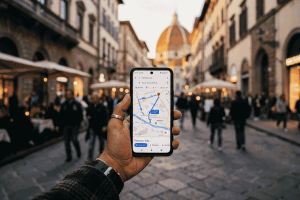
Yet, many have faced the frustration of surprise roaming charges, struggling to purchase local SIM cards at the airport, or deciphering complicated international phone plans. Fortunately, ongoing advancements in technology now offer smarter, more cost-effective ways to stay connected wherever your adventures take you.
The rise of eSIM technology has completely changed the game. Imagine landing in a new country and being online in minutes, without ever needing to swap a physical SIM card. This guide will walk you through everything you need to know about staying connected internationally. We’ll explore the evolution from traditional roaming to modern eSIMs, compare your options, and provide practical advice for choosing the best solution for your next trip. Understanding your choices will not only save you money but also eliminate one of the biggest stresses of modern travel.
The Evolution of Staying Connected Abroad
For decades, the default option for using your phone overseas was to rely on your home carrier’s roaming service. This allowed you to use your existing phone number and plan in another country, but it often came with a shocking bill at the end of the trip. Carriers partner with foreign networks and pass the high costs—plus a significant markup—onto you. A few minutes of calls or a small amount of data usage could result in hundreds of dollars in fees. These “bill shock” horror stories became a common part of the travel experience for many.
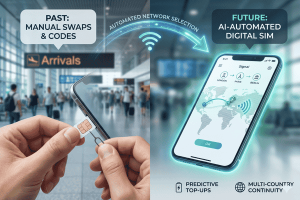
To avoid these exorbitant costs, savvy travelers turned to physical SIM cards. The process involved finding a local mobile shop upon arrival, navigating language barriers, and physically swapping the tiny chip in your phone. While more affordable, this method had its own set of challenges. You would get a new, local phone number, which could be inconvenient for receiving calls or verification texts from your home accounts. Furthermore, the risk of losing your original SIM card was always present, and the time spent hunting for a SIM could have been better spent exploring.
This is where eSIMs (embedded SIMs) enter the picture, representing the next major leap in global connectivity. An eSIM is a digital SIM that is built directly into your device’s hardware. It allows you to activate a cellular plan from a provider without needing a physical nano-SIM. You can download and install a data plan from a provider like Terminal eSIM before you even leave home. When you land, you simply activate the plan and are instantly connected to a local network. This technology eliminates roaming fees, the need for physical SIM swaps, and the search for a local store. It offers the best of both worlds: the convenience of your own device and the affordability of local data rates.
Your Guide to Choosing the Best International Phone Plans
Selecting the right connectivity solution for your travels can feel overwhelming with so many options available. The best choice depends on your travel style, trip duration, data needs, and budget. Let’s break down the most common international phone plans and help you decide which one fits your journey.
Carrier Roaming Add-Ons
Most major mobile carriers offer international day passes or monthly add-ons. These plans allow you to use your domestic talk, text, and data allowance abroad for a flat daily fee (typically $10-$15 per day) or a fixed monthly charge.
- Pros: Extremely convenient as you use your existing number and plan. No setup required.
- Cons: Can become very expensive, especially for trips longer than a few days. The daily fees add up quickly, and some plans have speed throttles after you hit a certain data limit. This is often the costliest of all international phone plans.
Local Physical SIM Cards
This traditional method involves buying a prepaid SIM card from a local carrier once you arrive at your destination.
- Pros: Generally affordable, offering good value for data, calls, and texts on local networks.
- Cons: Inconvenient. You have to find a store, deal with potential language barriers, and go through the activation process. You’ll also have a new phone number, which can complicate receiving calls and two-factor authentication codes sent to your primary number. You also risk losing your home SIM card.
Portable Wi-Fi Hotspots (MiFi)
These are small, battery-powered devices that create a personal Wi-Fi network. You can rent or buy one and purchase data plans for the region you’re visiting.
- Pros: Allows you to connect multiple devices (laptop, tablet, other phones) at once.
- Cons: It’s another device to carry, charge, and keep track of. The upfront cost of the device or rental fees can be high, and you are still dependent on purchasing data plans.
eSIM Data Plans
The modern solution for the connected traveler. eSIMs are digital SIMs embedded in your phone, allowing you to download and activate a data plan for your destination.
- Pros: Ultimate convenience. You can buy and set up your plan before you travel. Plans are often very affordable and flexible, with options for specific countries, regions, or even global coverage. You can keep your primary SIM active for calls and texts while using the eSIM for data.
- Cons: Your phone must be eSIM-compatible and unlocked. Most newer smartphones from Apple, Google, and Samsung support eSIM, but it’s important to check your device’s specifications.
For most travelers today, an eSIM offers the perfect balance of cost, convenience, and flexibility, making it a superior choice over other international phone plans.
Comparing Your International Connectivity Options
To make the decision clearer, let’s compare these options side-by-side based on what matters most to travelers: cost, convenience, and flexibility.
| Feature | Carrier Roaming | Local Physical SIM | Portable Wi-Fi | eSIM (e.g., Terminal eSIM) |
| Average Cost | High (e.g., $10/day) | Low to Medium | Medium to High | Very Low to Medium |
| Convenience | Very High | Low | Medium | Very High |
| Setup Time | Instant | 30-60 minutes | 5-10 minutes | 2-5 minutes |
| Keep Home Number | Yes | No | N/A | Yes (for calls/SMS) |
| Flexibility | Low (tied to carrier) | Medium (country-specific) | Medium | High (country, regional, global plans) |
| Device Dependency | None | Must be unlocked | Extra device to carry | Must be unlocked & eSIM-compatible |
As the table illustrates, while carrier roaming offers simplicity, its high cost makes it unsuitable for all but the shortest trips. Local SIM cards are budget-friendly but score lowest on convenience. A portable Wi-Fi hotspot is a good niche solution for those needing to connect multiple gadgets, but it means managing an extra piece of hardware.
eSIMs emerge as the clear winner for the majority of modern travelers. They combine the convenience of roaming with the affordability of a local SIM, all without the physical hassle. With an eSIM, you can shop for the best data plan online, activate it with a QR code, and be ready to go the moment you land. This seamless experience is why eSIMs are quickly becoming the standard for international travel.
Common Questions and Concerns About eSIMs
Switching to a new technology can bring up questions. Here, we address some of the most common queries and concerns travelers have about using eSIMs for their international phone plans.
Frequently Asked Questions (FAQs)
- How do I know if my phone is compatible with an eSIM?
Most smartphones released since 2018 support eSIM technology. This includes iPhone XS and newer, Google Pixel 3 and newer, and Samsung Galaxy S20 and newer models. The easiest way to check is to go into your phone’s settings. On an iPhone, go to Settings > Cellular and look for an “Add eSIM” or “Add Cellular Plan” option. On Android, search for “eSIM” in your settings menu or check under Network & Internet. You can also consult your phone manufacturer’s website. - Can I use an eSIM and my regular SIM at the same time?
Yes, absolutely! This is one of the biggest advantages of eSIM technology. Most phones with eSIM support have Dual SIM capabilities. This allows you to keep your primary physical SIM active for receiving calls and text messages on your regular phone number while using the eSIM for affordable mobile data. You can easily select which line to use for data in your phone’s settings. - What happens if I use up all my eSIM data?
This is a common worry, but the solution is simple. With providers like Terminal eSIM, you can easily top up your data directly from their website or app. The process is quick and your new data package is added to your existing eSIM profile, so there’s no need to install anything new. You can purchase more data anytime, anywhere, as long as you have a Wi-Fi connection. - Is it difficult to set up an eSIM?
Not at all. The setup process is designed to be user-friendly. After purchasing a plan, you’ll typically receive a QR code via email. You simply scan this code with your phone’s camera to start the installation process. The on-screen instructions will guide you through the few steps needed to activate the plan. The entire process takes just a few minutes, and it can be done from the comfort of your home before you even start packing. - Are eSIMs secure?
eSIMs are just as secure as physical SIM cards. They are embedded within your phone’s hardware, which can make them even more secure as they cannot be physically removed or stolen if you lose your phone. The digital profiles are managed through secure servers by the eSIM provider, ensuring your connection is safe.
Make Your Next Trip Seamless with eSIM
Your travels should be about creating memories, not worrying about mobile data. We’ve explored the journey from expensive roaming charges and inconvenient physical SIMs to the seamless, affordable connectivity offered by modern eSIMs. The choice is clear: for convenience, cost, and control, eSIM technology stands out as the superior option for today’s traveler. It eliminates the stress of finding a connection and empowers you to stay online effortlessly, wherever your adventures take you.
By understanding the pros and cons of different international phone plans, you can make an informed decision that fits your specific needs. An eSIM provides the flexibility to choose a plan tailored to your destination and data usage, all while allowing you to keep your primary number active for important calls and texts. It’s a simple change that can dramatically improve your travel experience, saving you both time and money.
Embrace Smarter Travel with Terminal eSIM
Are you ready to say goodbye to high roaming fees and the hunt for local SIM cards? It’s time to embrace the future of travel connectivity. At Terminal eSIM, we provide reliable, high-speed data plans for over 190 destinations worldwide. Whether you’re a digital nomad working from a cafe in Lisbon, a family on vacation in Japan, or a frequent flyer hopping between continents, we have a plan for you.
Our easy-to-use platform lets you purchase and activate your eSIM in minutes. Land at your destination and connect instantly, just like a local. Enjoy the freedom to navigate, share, and stay in touch without worrying about your phone bill.
Explore the world with confidence. Visit Terminal eSIM today to find the perfect data plan for your next adventure and travel smarter.