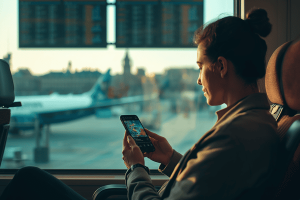
This technology transforms how we connect, offering a seamless and affordable alternative to traditional methods. By using a digital sim, you can land in a new country, scan a QR code, and be online in minutes, without ever swapping a physical card.
This guide will walk you through everything you need to know about setting up and using a digital sim for your next adventure. We’ll explore what eSIMs are, how they evolved from physical SIMs, and provide a step-by-step guide to get you connected. We will also compare different options, answer common questions, and show you how services like Terminal eSIM are making global roaming simpler and more accessible than ever. Get ready to travel smarter, not harder, with the power of eSIM technology.
From Plastic to Pixels: The Evolution of the SIM Card
To understand the value of a digital sim, it helps to look at its predecessor: the physical SIM card. For decades, the Subscriber Identity Module (SIM) card has been the small, removable chip that connects your phone to a mobile network. It stores your user information, authenticates your device, and allows you to make calls, send texts, and use data. The journey began with the credit-card-sized SIM in 1991, which quickly shrank to the Mini-SIM, Micro-SIM, and finally the Nano-SIM that most modern smartphones use today.
While revolutionary, physical SIM cards have always presented challenges for travelers. Upon arriving in a new country, you either had to pay exorbitant roaming fees from your home carrier or go through the hassle of finding a local store, purchasing a new SIM card, and physically swapping it out. This process can be time-consuming, confusing (especially with language barriers), and you risk misplacing your primary SIM card. Furthermore, managing multiple SIM cards for different countries is inconvenient for frequent flyers or digital nomads.
The eSIM was developed to solve these problems. Introduced around 2016, the “e” in eSIM stands for “embedded,” meaning the SIM is built directly into your device’s motherboard. It’s a rewritable chip that can be programmed remotely. This means you no longer need a physical card to switch carriers or plans. You can download and activate a new cellular profile directly onto your phone, often just by scanning a QR code or through an app. This innovation gives you the freedom to choose local or regional data plans on the fly, saving you money and eliminating the logistical nightmare of physical SIMs. For travelers, this shift from a physical object to a digital profile is a game-changer, offering unparalleled convenience and flexibility.
Your Step-by-Step Guide to Activating a Digital SIM
Getting started with a digital sim is surprisingly straightforward. The process is designed for convenience, allowing you to get connected in just a few minutes without any technical expertise. All you need is an eSIM-compatible device and an internet connection to purchase and install your plan.
Here’s a practical guide to setting up your first eSIM for travel.
Step 1: Check Your Device’s Compatibility
Before anything else, confirm that your smartphone supports eSIM technology. Most flagship phones manufactured since 2018 have this feature.
- For iPhone: Go to Settings > Cellular (or Mobile Data). If you see an option like “Add eSIM” or “Add Cellular Plan,” your phone is compatible. Models from the iPhone XS, XR, and newer typically support eSIM.
- For Android: The path can vary. Look in Settings > Network & Internet > SIMs. An option to “Add eSIM” or download a SIM indicates compatibility. Google Pixel, Samsung Galaxy, and other major brands have many eSIM-enabled models.
A quick search for your specific phone model plus “eSIM compatibility” will give you a definitive answer.
Step-2: Choose and Purchase Your eSIM Plan
Once you’ve confirmed compatibility, it’s time to pick a plan. This is where providers like Terminal eSIM shine. Instead of being tied to a single carrier, you can shop for plans based on your destination and data needs.
- Visit the Provider’s Website: Go to a trusted eSIM marketplace, such as https://terminalesim.com.
- Select Your Destination: Choose the country or region you’ll be visiting (e.g., Europe, Japan, USA). Many providers offer regional plans that cover multiple countries, which is perfect for multi-destination trips.
- Pick Your Data Package: Plans are typically offered based on the amount of data (e.g., 1GB, 5GB, 20GB) and the validity period (e.g., 7 days, 15 days, 30 days). Choose one that matches the length of your trip and your expected usage.
- Complete the Purchase: Add the plan to your cart and check out. You’ll receive an email almost instantly containing your activation details, usually in the form of a QR code.
Step 3: Install and Activate Your eSIM
With the QR code in hand, you’re ready to install the plan on your device. It’s best to do this just before you depart or once you arrive, as long as you have a Wi-Fi connection.
- On iPhone:
- Go to Settings > Cellular > Add eSIM.
- Select “Use QR Code.”
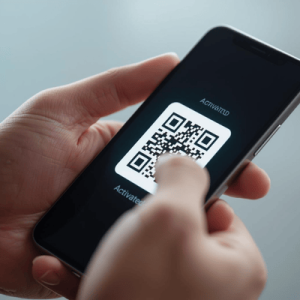
- Scan the QR code from your email (you may need to display it on another screen, like a laptop or tablet).
- Follow the on-screen prompts to label your new plan (e.g., “Travel eSIM”) and set it as your data line.
- On Android:
- Go to Settings > Network & Internet > SIMs.
- Tap the “+” or “Add eSIM” button.
- Select “Scan QR code” and scan the code provided in your email.
- Follow the instructions to activate and name your new plan.
Once activated, you can turn on data roaming for your new eSIM line and you’ll connect to the local network as soon as you land. You can keep your primary SIM active for calls and texts from home while using the eSIM exclusively for affordable mobile data.
Comparing Connectivity Options for Travelers
When planning a trip, choosing how to stay connected is a key decision. While a digital sim offers significant advantages, it’s helpful to see how it stacks up against other common options like international roaming from your home carrier and buying a local physical SIM card. Each method has its pros and cons depending on your travel style, budget, and needs.
Here is a comparison table to help you decide which solution is best for you.
| Feature | eSIM (e.g., Terminal eSIM) | International Roaming (Home Carrier) | Local Physical SIM Card |
| Activation Process | Instant digital activation via QR code before or on arrival. | Automatic activation, but may require setup with carrier. | Requires finding a store, purchase, and physical installation. |
| Cost | Highly affordable, with clear upfront pricing for data packages. | Often very expensive, with high daily rates or per-MB charges. | Generally affordable for local use, but can be costly for multi-country trips. |
| Convenience | Extremely high. No need to open your phone or visit a store. | High convenience, as it works automatically. | Low. Involves finding a vendor, potential language barriers, and swapping cards. |
| Flexibility | Excellent. Easily switch between plans and providers digitally. | Low. Locked into your home carrier’s partners and rates. | Moderate. You’re tied to one local carrier per SIM card. |
| Number Management | Keep your primary number for calls/texts while using eSIM for data. | Keep your primary number for all services. | You get a new, local phone number, which can be inconvenient. |
| Best For | Tech-savvy travelers, digital nomads, and multi-country trips. | Short business trips or users who prioritize convenience over cost. | Long stays in a single country or budget-conscious travelers. |
After reviewing the comparison, it’s clear that eSIMs strike an ideal balance. They combine the convenience of international roaming with the affordability of a local SIM, all while adding a new level of flexibility. With a provider like Terminal eSIM, you get transparent pricing without the risk of surprise roaming charges. You can buy a plan for Europe one week and another for Asia the next, all managed from a single device. While your home carrier’s roaming plan is easy, the cost is often prohibitive. A local SIM is cheap but comes with the significant hassle of acquisition and installation. The digital sim emerges as the modern, efficient, and cost-effective choice for the vast majority of international travelers.
Trends, Concerns, and FAQs for the Modern Traveler
As eSIM technology becomes more mainstream, new trends and questions are emerging. Travelers are increasingly adopting this technology, but with that comes a need for clarity on common concerns. From security to device compatibility, understanding these aspects can help you make a confident switch to a digital sim.
One major trend is the rise of regional eSIMs. Instead of buying a plan for a single country, travelers can now purchase one digital sim that covers an entire continent, like Europe, Asia, or North America. This is incredibly useful for backpackers or business travelers on multi-city tours, as the eSIM automatically connects to the best local network in each country without any extra effort. Another growing trend is the integration of eSIM management directly into travel apps, simplifying the process even further.
Despite the benefits, some travelers worry about the reliability and security of a digital sim. However, eSIMs use the same secure standards as physical SIMs. Your connection is encrypted and authenticated by the carrier, making it just as safe as a traditional plan. The digital delivery process is also secure, typically involving a unique, one-time-use QR code linked directly to your purchase. The primary challenge remains device compatibility, as older or budget smartphones may not support eSIMs. However, with every new phone launch, this is becoming less of an issue.
Frequently Asked Questions (FAQs)
- Can I still receive calls and texts on my regular number with an eSIM active?
Yes, you can. Most modern smartphones have Dual SIM capabilities, allowing you to use both your physical SIM and an eSIM simultaneously. You can set your eSIM as the primary source for mobile data while keeping your home SIM active for incoming calls and texts. This gives you the best of both worlds: affordable data and constant reachability on your main number. - What happens if I use up all the data on my digital sim plan?
If you run out of data, your connection will simply stop. You won’t incur any overage charges. Most eSIM providers, including Terminal eSIM, make it easy to top up your plan or purchase a new one directly from their website or app. You can add more data in just a few clicks and get back online immediately. - Do I need an internet connection to activate my eSIM?
Yes, you need a stable internet connection (like Wi-Fi) to download and install the eSIM profile onto your device. This is why it’s recommended to set up your eSIM either at home before you leave or at your hotel or the airport upon arrival using their Wi-Fi. Once installed, you no longer need Wi-Fi to use your cellular data. - Can I reuse my digital sim for a future trip?
It depends on the plan. Most prepaid travel eSIMs are data-only and expire after their validity period or once the data is used. They are typically not reusable. However, you can simply purchase a new plan for your next trip and install it on your phone. The process is so quick and easy that buying a new one is not a burden.
The Future of Travel Connectivity is Digital
We’ve journeyed from the basics of what a digital sim is to a practical guide on setting it up, and it’s clear that this technology is reshaping how we stay connected abroad. By moving away from plastic cards and expensive roaming fees, eSIMs offer a solution that is perfectly aligned with the needs of the modern traveler: it’s fast, flexible, and affordable. The ability to land in a new country and get online in minutes, without the hassle of finding a local store or fumbling with tiny SIM trays, is a massive leap forward.
This guide has shown that the setup process is simple—check compatibility, choose a plan from a provider like Terminal eSIM, and activate with a QR code. We’ve compared eSIMs to traditional options, highlighting their superior balance of cost and convenience. For anyone who travels, whether for a week-long vacation, a multi-country business trip, or a long-term nomadic lifestyle, the benefits are undeniable. You maintain access to your primary number for important calls while leveraging cheap, local data rates everywhere you go. This isn’t just a minor improvement; it’s a fundamental shift in global communication.
Embrace Seamless Travel with Terminal eSIM
Are you tired of bill shock from roaming charges or the inconvenience of swapping SIM cards every time you cross a border? It’s time to upgrade your travel experience. With a digital sim, you can unlock a world of hassle-free connectivity, giving you more time to enjoy your trip and less time worrying about your phone bill. Whether you’re a frequent flyer, a digital nomad, or planning your dream vacation, the power to connect instantly and affordably is in your hands.
Terminal eSIM offers a wide range of prepaid data plans for hundreds of destinations worldwide. Our platform is designed for simplicity, transparency, and reliability, ensuring you get connected the moment you arrive. Forget the old way of traveling and step into the future of global roaming. Explore our plans today and discover how easy it is to stay connected wherever your adventures take you.
Ready for a smarter way to travel? Visit https://terminalesim.com to find the perfect data plan for your next destination.