But amidst the excitement of planning routes, booking hostels, and packing essentials, there’s one crucial element that often gets overlooked until the last minute: staying connected. How will you navigate unfamiliar cities, share your breathtaking photos, or simply call home without breaking the bank? The answer, increasingly, lies in the revolutionary technology of an eSIM phone plan.
Gone are the days of wrestling with tiny SIM cards, hunting for local stores in a foreign language, or enduring exorbitant roaming charges. eSIMs have emerged as the backpacker’s best friend, offering unparalleled flexibility, affordability, and convenience. This comprehensive guide will dive deep into the world of budget-friendly eSIM phone plans specifically tailored for your European adventure. We’ll explore what an eSIM is, why it’s a game-changer for travelers, and, most importantly, unveil the top 5 eSIM phone plans that will keep you connected without draining your travel fund. Get ready to explore Europe smarter, with seamless connectivity at your fingertips!
Unpacking the Power of eSIM: Your Digital Passport to Connectivity
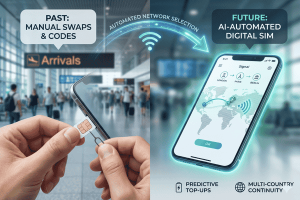
Before we dive into specific plans, let’s understand the magic behind an eSIM. eSIM, short for “embedded Subscriber Identity Module,” is essentially a digital SIM card. Instead of a physical chip that you insert into your phone, the eSIM is built directly into your device. This small, programmable chip allows you to activate a cellular plan from a carrier without needing a physical SIM. Think of it as a digital identity for your phone that can be reprogrammed on the fly.
The concept of digital SIMs isn’t entirely new, but their widespread adoption for international travel is a relatively recent phenomenon. Historically, travelers relied on traditional roaming services from their home carrier (often expensive), or purchased local SIM cards upon arrival (which could be inconvenient and time-consuming). The advent of eSIMs has dramatically simplified this process. Now, with a few taps on your smartphone, you can download and activate a new data plan for your destination before you even leave home, or while sipping coffee in a Parisian café.
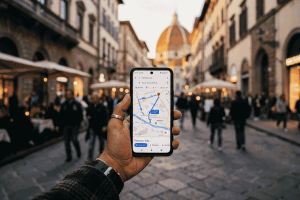
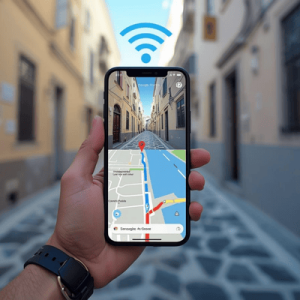
For European backpackers, the benefits are immense. Imagine landing in Rome, activating a local data plan instantly, and having Google Maps at your disposal to navigate your way to the Colosseum. Then, a week later, as you cross into Switzerland, you can effortlessly switch to a new regional plan without changing a physical card. This seamless transition is not just convenient; it’s also incredibly cost-effective, allowing you to pick and choose the best deals for each leg of your journey. Furthermore, most modern smartphones allow you to store multiple eSIM profiles, meaning you can keep your home number active for calls and texts while using an eSIM for data in Europe. It’s truly a game-changer for staying connected on the go, offering flexibility and control that traditional SIM cards simply cannot match.

Navigating Europe with Ease: A Practical Guide to Your eSIM Phone Plan
Choosing and activating an eSIM phone plan for your European backpacking trip might seem daunting at first, but it’s surprisingly straightforward. Here’s a practical guide to help you get connected efficiently and affordably:
- Check Device Compatibility: First and foremost, ensure your smartphone is eSIM compatible. Most newer models (iPhone XS and later, many Samsung Galaxy S20 series and later, Google Pixel 3 and later, etc.) support eSIMs. A quick online search for your phone model’s specifications or checking your phone settings will confirm this. Without an eSIM-compatible device, this guide won’t be as helpful!
- Research Your Destinations: Europe is vast and diverse. While many eSIM plans cover the entire continent, some are regional or country-specific. Before purchasing an eSIM phone plan, know your itinerary. Are you staying within the EU Schengen Area, or venturing into non-EU countries like Switzerland or the UK? This will influence the best plan choice.
- Understand Data Needs: How much data do you anticipate needing? Are you a casual browser and map user, or do you plan to stream videos, make frequent video calls, and upload large files? Most backpackers find that 5-10GB for a 2-week trip is a good starting point, but adjust according to your habits. Overestimating slightly is better than running out!
- Compare Plan Features and Pricing: This is where the budget-friendly aspect comes in. Look beyond just the data allowance. Consider the validity period (7 days, 15 days, 30 days?), speed limitations, network coverage in your target countries, and whether the plan includes calls or texts (though for most backpackers, data for messaging apps like WhatsApp is sufficient).
- Purchase Your eSIM: Once you’ve identified a suitable eSIM phone plan, purchase it online from a reputable provider like Terminal eSIM. The process is usually quick and involves selecting your plan, making payment, and then receiving a QR code or manual activation details via email.
- Activation is Key:
- Via QR Code: This is the easiest method. Go to your phone’s settings (usually “Cellular” or “Mobile Data”), tap “Add eSIM” or “Add Data Plan,” and scan the QR code provided.
- Manual Activation: If you can’t scan, you’ll enter the activation details (SM-DP+ Address, Activation Code) manually.
- Before You Go vs. On Arrival: You can often install the eSIM profile before you leave home, but only activate it once you land in Europe to conserve the validity period. Ensure data roaming is turned on for your eSIM profile once activated.
- Keep Your Home SIM Active: Most dual SIM phones (physical SIM + eSIM) allow you to keep your home SIM active for calls and texts while using the eSIM for data. Designate your eSIM for mobile data use in your phone’s settings. This prevents unexpected roaming charges on your home number.
- Monitor Usage: Keep an eye on your data consumption through your phone’s settings or the eSIM provider’s app, if available. This helps you manage your budget and top up if needed.
By following these practical steps, you can confidently set up your eSIM phone plan and enjoy seamless, affordable connectivity throughout your European backpacking adventure.
The Best of the Best: Top 5 Budget-Friendly eSIM Phone Plans for Europe
Choosing the right eSIM provider can significantly impact your travel experience and budget. After extensive research focusing on affordability, coverage, and ease of use, we’ve identified the top 5 budget-friendly eSIM phone plans that are perfect for European backpackers.
| eSIM Provider | Plan Name (Example) | Data Allowance | Validity | Covered Countries | Price Range (approx.) | Key Features | Best For |
| Terminal eSIM | Europe 10GB Data Plan | 10 GB | 30 Days | 35+ European | €15 – €25 | Excellent coverage, flexible plans, 24/7 support. | Long trips, multiple countries, reliable data. |
| Airalo | Eurolink (Various) | 1GB – 20GB | 7 – 30 Days | 39 European | $5 – $30 | Wide range of plans, easy top-up, good for shorter trips. | Flexibility, quick activation, shorter stays. |
| Holafly | Europe Unlimited | Unlimited* | 5 – 90 Days | 32 European | $19 – $99 | Unlimited data (FUP applies), local phone number. | Heavy data users, longer trips, staying connected. |
| Nomad | Europe Regional | 1GB – 20GB | 7 – 30 Days | 35+ European | $6 – $35 | Simple interface, good for basic data needs. | Budget travelers, data-light usage, easy to navigate app. |
| GigSky | Europe Data Plan | 1GB – 10GB | 7 – 30 Days | 40+ European | $8 – $50 | Premium networks, good for business travelers, flexible validity. | Reliable speed, broad coverage, last-minute activation. |
Disclaimer: “Unlimited” data plans usually come with a Fair Usage Policy (FUP) that might throttle speeds after a certain amount of high-speed data is consumed. Always read the fine print.
Key Insights from the Comparison:
- Terminal eSIM stands out for its balanced offerings, providing a sweet spot between generous data, broad coverage, and competitive pricing, making it an excellent all-rounder for most backpackers. Their 10GB plan for 30 days is particularly appealing for extended trips without constant re-purchasing.
- Airalo is fantastic for its sheer variety and micro-plans, allowing travelers to start small and top up as needed. It’s ideal for those with unpredictable data needs or shorter country hops.
- Holafly appeals to heavy data users, offering peace of mind with “unlimited” options, though users should be aware of the FUP. The inclusion of a local phone number can be a bonus for certain interactions.
- Nomad offers a user-friendly experience and solid, no-frills data plans, perfect for budget-conscious travelers who primarily need data for navigation and social media.
- GigSky positions itself with robust network access and broad country coverage, suitable for those who prioritize reliable, high-speed connections across many different European destinations.
Ultimately, the best eSIM phone plan depends on your specific travel style, data requirements, and budget. For a solid, reliable, and cost-effective option that covers a wide array of European countries, Terminal eSIM consistently proves to be a top contender for backpackers.
Staying Ahead: Trends, FAQs, and Solving Common eSIM Challenges
The world of mobile connectivity is constantly evolving, and eSIM technology is at the forefront of this change. As you plan your European backpacking adventure, it’s helpful to be aware of current trends, address common questions, and prepare for potential issues.
Current Trends in eSIM for Travelers:
- Increased Device Adoption: More smartphones, tablets, and even smartwatches are now supporting eSIM technology, making it accessible to a wider range of travelers.
- Regional and Global Plans: Providers are increasingly offering eSIM phone plan options that cover multiple countries or even entire continents, simplifying connectivity for multi-country trips.
- Focus on Data-Centric Plans: Recognizing that most travelers rely on apps for communication (WhatsApp, Messenger, etc.), eSIM plans are predominantly data-focused, often at very competitive rates.
- Bundled Services: Some eSIM providers are starting to bundle additional travel services, such as VPN access, travel insurance discounts, or local attraction deals, adding more value to their plans.
Addressing Traveler Concerns: eSIM FAQs
Q1: Is an eSIM less secure than a physical SIM?
A1: No, eSIMs are generally considered as secure, if not more secure, than physical SIMs. They are less susceptible to physical theft or damage, and activation requires secure digital verification.
Q2: Can I still use my home number for calls and texts with an eSIM?
A2: Yes, absolutely! Most modern smartphones support dual SIM functionality (one physical SIM and one or more eSIMs). You can set your home SIM for calls and texts (ensure roaming is off for data on your home SIM to avoid charges) and designate your eSIM for all your data needs in Europe.
Q3: What if my eSIM doesn’t work upon arrival?
A3: First, double-check your phone’s settings to ensure the eSIM profile is active and data roaming is enabled for it. Sometimes a simple restart of your phone can resolve minor glitches. If issues persist, contact your eSIM provider’s customer support immediately. Reputable providers like Terminal eSIM offer 24/7 support to assist travelers.
Q4: Can I top up my eSIM plan if I run out of data?
A4: Yes, most eSIM providers offer convenient top-up options directly through their website or app. This allows you to purchase additional data or extend your plan’s validity without needing a new eSIM.
Q5: Are eSIM speeds slower than local physical SIMs?
A5: Not typically. eSIMs utilize the same local network infrastructure as physical SIMs. Your speed will depend on the network coverage in your specific location and the quality of the partner networks your eSIM provider uses. Many providers, like Terminal eSIM, partner with major, high-speed networks across Europe.
By understanding these trends and having answers to common questions, you can approach your European adventure with confidence, knowing your eSIM phone plan will keep you reliably connected.
Seamless Journeys, Connected Memories: A Summary
Embarking on a European backpacking adventure is a dream for many, a journey filled with awe-inspiring sights, enriching cultural experiences, and lifelong memories. In this digital age, staying connected is no longer a luxury but a necessity for navigation, communication, sharing experiences, and even safety. We’ve explored how the innovative eSIM phone plan technology has revolutionized travel connectivity, offering unparalleled flexibility, convenience, and, crucially, affordability compared to traditional roaming or physical SIM cards.
We delved into the intricacies of eSIMs, providing a practical guide on how to choose, activate, and manage your plan effectively. From checking device compatibility to understanding your data needs and comparing providers, every step is designed to empower you with seamless connectivity. Our deep dive into the top 5 budget-friendly eSIM phone plans for European backpacking highlighted options like Terminal eSIM, Airalo, Holafly, Nomad, and GigSky, each catering to different travel styles and data requirements, but all committed to keeping you connected on a budget.
Whether you’re island hopping in Greece, exploring ancient ruins in Italy, or hiking the majestic Alps, an eSIM phone plan ensures you’re never truly alone. It allows you to navigate bustling cities with confidence, instantly share your breathtaking photos with loved ones, and access vital information on the go, all without the worry of unexpected bills or the hassle of searching for local SIM cards.
Your European Adventure Starts with Terminal eSIM: Connect and Explore!
The open road of Europe awaits, filled with adventures around every corner. Don’t let the thought of staying connected be a source of stress or an drain on your precious travel budget. With an eSIM phone plan, particularly one from a trusted provider, you can focus on what truly matters: immersing yourself in the rich tapestry of cultures, landscapes, and experiences that Europe has to offer.
Imagine stepping off the plane, your phone already connected, guiding you effortlessly to your hostel, or letting you instantly share that first magnificent view of the Eiffel Tower. That’s the freedom and peace of mind an eSIM provides. It’s an essential tool for the modern backpacker, digital nomad, or frequent flyer, ensuring you have reliable internet access wherever your European journey takes you. Stop worrying about exorbitant roaming fees or the hunt for local SIM cards. Embrace the future of travel connectivity.
Ready to unlock seamless, affordable connectivity for your dream European backpacking trip? Explore the diverse range of budget-friendly eSIM phone plan options designed for travelers like you.
Start your journey connected. Visit Terminal eSIM today and find your perfect European eSIM plan!