Planning a trip to the “Land of the Gazelle” involves more than just booking flights and a luxury stay at the Emirates Palace. In today’s digital age, your first priority upon landing in the UAE is usually finding a way to message home or order a ride.
Whether you’re planning to throw a coin into the Trevi Fountain, hike the colorful trails of Cinque Terre, or attend a high-stakes business meeting in Milan’s fashion district, staying connected is no longer optional. In 2026, the days of hunting for a local kiosk or fumbling with tiny plastic SIM cards are officially over.
Stay connected without the stress! Whether you are exploring the neon-lit streets of Kuala Lumpur or relaxing on the white sands of Langkawi, knowing your data usage is key to a smooth trip.
Staying connected while traveling used to be a logistical nightmare involving paper clips, tiny plastic SIM cards, and the inevitable fear of losing your primary phone number. You would land in a new country, groggy from a long-haul flight, and immediately hunt for a local kiosk, hoping you weren’t being overcharged for a temporary data plan.
The allure of new horizons, bustling cities, and serene landscapes is undeniable for the frequent flyer. But amidst the excitement of travel often lies a hidden anxiety: how do I stay connected without breaking the bank?

The world of international travel is constantly evolving, and staying connected has never been more crucial. Gone are the days of expensive roaming charges or the hassle of hunting down local SIM cards in every new country.
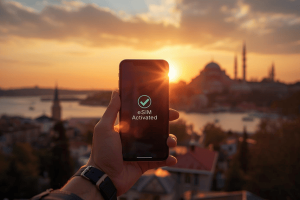
Istanbul is a city that straddles two continents, blending ancient history with a pulsing, modern energy. Whether you are haggling for carpets in the Grand Bazaar, marveling at the Blue Mosque, or sipping tea while crossing the Bosphorus, staying connected is non-negotiable.

The Great Firewall. Two words that strike a particular kind of dread into the heart of any digital nomad eyeing China as their next adventure. For those whose livelihoods depend on seamless internet access, reliable communication, and unrestricted global connectivity, navigating China’s unique digital landscape can seem like a daunting challenge.
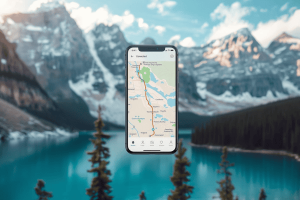
Planning a trip to the Great White North? Whether you are heading to the bustling streets of Toronto, the historic charm of Quebec City, or the breathtaking peaks of the Canadian Rockies, staying connected is non-negotiable.
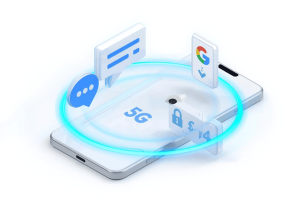
In the ever-evolving landscape of global travel, staying connected is no longer a luxury—it is a logistical necessity. Gone are the days of hunting for sketchy public Wi-Fi or fumbling with paper maps in a foreign tongue.

In the fast-paced world of 2026, the way we stay connected while traveling has undergone a radical transformation. Gone are the days of hunting for sketchy airport kiosks or fumbling with paperclips to swap out tiny pieces of plastic.
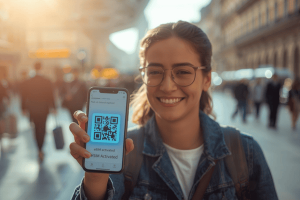
Traveling the world should be about making memories, not managing mobile data. For years, international travelers were forced to choose between two subpar options: exorbitant roaming fees from their home provider or the physical hassle of buying a local SIM card.
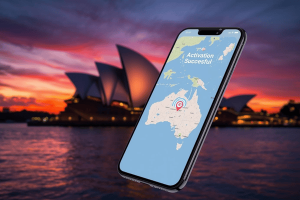
Planning a trip to Queensland’s sun-drenched capital? Whether you are heading to South Bank for a riverside stroll, catching a game at the Gabba, or exploring the rugged beauty of Moreton Bay, staying connected is non-negotiable.
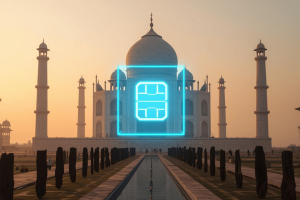
India, a land of vibrant cultures, breathtaking landscapes, and bustling cities, beckons travelers from across the globe. Whether you’re navigating the ancient streets of Varanasi, exploring the majestic forts of Rajasthan, or finding serenity in the backwaters of Kerala, staying connected is no longer a luxury—it’s a necessity.
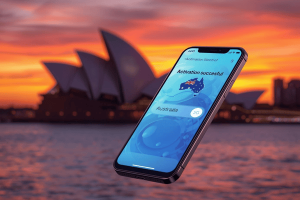
Planning a trip to the Land Down Under? Whether you’re heading to Sydney to see the Opera House, diving the Great Barrier Reef, or trekking through the outback, staying connected is non-negotiable.
The modern traveler’s greatest nightmare isn’t a delayed flight or a lost suitcase—it’s the dreaded “No Service” icon in the top corner of their smartphone. We rely on our devices for everything: navigating winding cobblestone streets, translating menus in real-time, and sharing those envy-inducing sunset photos.

The days of frantically searching for a paperclip to pop open a SIM tray while standing in a crowded airport are officially over. As we move through 2026, the way we travel has been fundamentally reshaped by a tiny piece of software: the e sim.
Stay connected without the stress. In 2026, traveling the globe shouldn’t mean hunting for a plastic SIM card at a crowded airport or coming home to a massive roaming bill.
Touching down at Heathrow or Gatwick should be the start of an unforgettable adventure, not the beginning of a financial headache. Whether you’re navigating the winding streets of Shoreditch or checking the latest schedules for the West End, your smartphone is your most vital travel tool.
Planning a trip to Turkey involves a lot of moving parts—from booking hot air balloon rides in Cappadocia to mapping out the best kebab spots in Istanbul. One detail you shouldn’t leave to the last minute is how you’ll stay connected.
Stay connected the moment you touch down in the Land of Smiles. Whether you’re navigating the neon-lit streets of Bangkok or lounging on a pristine beach in Phuket, having reliable data is no longer a luxury—it’s a travel essential.
Imagine landing at Tokyo’s Narita Airport after a twelve-hour flight. While the rest of the passengers are frantically scrambling toward expensive airport kiosks or hunting for unstable public Wi-Fi to message their families, you simply toggle a switch on your phone.

In the golden age of travel, your smartphone is more than just a camera; it is your map, your translator, your boarding pass, and your lifeline to home. But nothing kills the wanderlust faster than a “Loading…” icon in the middle of a busy Tokyo intersection or a pixelated video call from the Swiss Alps.
New York City is a place that never sleeps, and for a traveler, it’s a place where you never want to be disconnected. From navigating the labyrinth of the West Village to snagging a last-minute Broadway ticket or hailing a ride from JFK, your smartphone is your most essential travel companion.

Planning a trip to the Land of the Rising Sun is an exhilarating experience. From the neon-lit streets of Shinjuku to the serene bamboo groves of Kyoto, Japan offers a blend of ancient tradition and futuristic innovation.
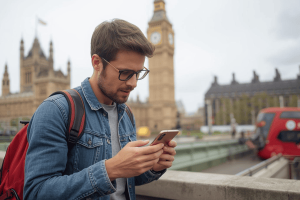
Are you planning your first trip to the land of Big Ben, the rolling Cotswolds, and the vibrant streets of Manchester? One of the biggest stressors for modern travelers isn’t packing the right clothes—it’s staying connected without returning home to a massive roaming bill.

Traveling the world is one of life’s greatest adventures, but staying connected can often be one of its biggest headaches. From hunting for a local SIM card kiosk in a crowded airport to coming home to a “bill shock” from international roaming charges, the digital side of travel has historically been a struggle.
Traveling the world in 2025 has become more about experiences and less about logistics. Gone are the days of hunting for a paper clip to pop open a SIM tray or standing in long airport queues just to get a local data plan.

Reliable connectivity has become the backbone of hassle-free travel in our digital era. From navigating new cities with GPS to sharing your adventures on social media, a reliable internet connection is crucial.
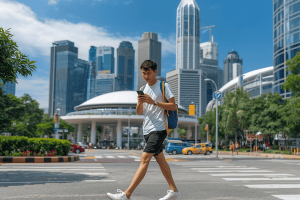
Planning a trip to the vibrant city-state of Singapore is an exciting experience. From the stunning Gardens by the Bay to the bustling hawker centers, there’s a world of adventure awaiting you.