Seoul, a vibrant metropolis where ancient traditions blend seamlessly with futuristic innovation, beckons travelers from across the globe. For digital nomads seeking a new base or tourists eager to explore its dynamic streets, staying connected is paramount.
Morocco, a land of enchanting medinas, breathtaking desert landscapes, and vibrant souks, calls to travelers from across the globe. As you plan your adventure, staying connected is undoubtedly a top priority.

Ah, France! The land of exquisite pastries, world-renowned art, breathtaking landscapes, and an undeniable je ne sais quoi that captivates millions of travelers every year. Whether you’re planning to stroll along the romantic Seine in Paris, explore the lavender fields of Provence, or hit the slopes in the French Alps, staying connected is no longer a luxury—it’s a necessity.
Are you tired of landing in a new country only to spend your first hour hunting for a local SIM card kiosk or battling unreliable airport Wi-Fi? For the modern traveler, connectivity isn’t just a luxury—it’s a necessity for navigation, safety, and staying in touch.
The era of hunting for paperclips and squinting at microscopic plastic chips in a crowded airport is officially over. As we move through 2026, the way we stay connected while globetrotting has undergone a digital revolution.
In the golden age of travel, your smartphone is your most vital companion. From navigating the neon-lit streets of Tokyo with Google Maps to translating a menu in a Parisian bistro, data is the invisible thread that keeps your trip together.
Imagine stepping off the plane at Charles de Gaulle, the crisp Parisian air greeting you as you catch your first glimpse of the distant Eiffel Tower. You want to call a ride, check your hotel reservation, and tell your family you’ve arrived safely—all without hunting for a Wi-Fi password or a physical SIM card kiosk.

Are you planning a trip to the land down under but dreading the thought of a massive roaming bill? Whether you’re road-tripping along the Great Ocean Road, surfing at Bondi Beach, or trekking through the Outback, staying connected is non-negotiable.
Planning a journey to the land of the Pharaohs is an exhilarating experience. From the towering Great Pyramid of Giza to the turquoise waters of Sharm El-Sheikh, Egypt offers a sensory overload of history, culture, and natural beauty.
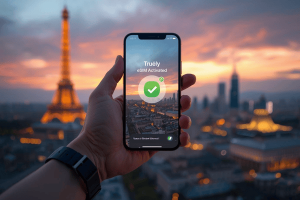
The era of hunting for tiny paperclips in airport terminals is officially over. If you’ve ever stood in a long queue at a foreign kiosk just to buy a piece of plastic that might not even work, you know the frustration of traditional travel connectivity.
In the high-octane world of international travel, connectivity is the invisible thread that holds a trip together. For the frequent flyer, the transition from one timezone to another should be seamless, but for years, mobile connectivity has been a friction point.
In the golden age of travel, we’ve traded paper maps for GPS and bulky guidebooks for curated Instagram feeds. Yet, for years, the most stressful part of crossing a border remained unchanged: the frantic hunt for a paperclip to swap out a tiny piece of plastic.
Sun, surf, and Art Deco vibes—Miami is a dream destination. But nothing kills the vacation buzz faster than landing at Miami International Airport (MIA) and realizing you’re disconnected from your maps, ride-sharing apps, and social media.
Vietnam is a land of sensory overload in the best possible way. From the chaotic charm of Hanoi’s Old Quarter and the emerald waters of Ha Long Bay to the neon-lit skyscrapers of Ho Chi Minh City, there is a lot to see, eat, and document.
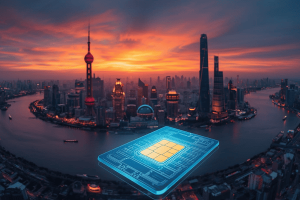
Traveling to China is an adventure like no other, but it comes with a unique set of digital hurdles. From the bustling tech hubs of Shenzhen to the historic alleys of Beijing, staying connected isn’t just about posting photos—it’s about survival.
In the modern era of travel, the “land and search for Wi-Fi” ritual is officially obsolete. Travelers today demand immediate connectivity the second their plane touches the tarmac.

Imagine landing in a new country, stepping off the plane, and instantly having a 5G connection to call an Uber or check Google Maps. No hunting for a local SIM kiosk, no struggling with language barriers at a mobile shop, and—most importantly—no “bill shock” from your home carrier when you return.
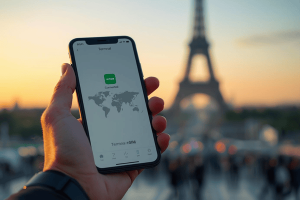
Staying connected while traveling used to be a choice between two evils: hunt for a local SIM card at a crowded airport kiosk or return home to a “bill shock” from expensive roaming fees. In 2026, the connectivity landscape has shifted.
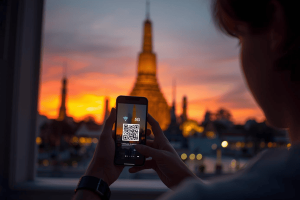
Planning a trip to the “City of Angels” is an exhilarating experience. From the golden spires of Wat Phra Kaew to the sizzle of street food in Yaowarat (Chinatown), Bangkok is a sensory explosion that demands to be shared in real-time.

Mexico is a land of vibrant contrasts—from the sprawling urban jungle of Mexico City to the turquoise waters of Tulum and the rugged landscapes of Baja California. For modern travelers, whether you’re a tourist chasing sun-drenched tacos or a digital nomad managing a remote team from a beachfront café, staying connected is no longer a luxury; it’s a necessity.
Stepping off the plane at Istanbul Airport, you are immediately greeted by the scent of roasted coffee and the frantic energy of one of the world’s busiest travel hubs. Your first instinct? Check the map for your shuttle, message your Airbnb host, or perhaps post a quick “I arrived!” story on Instagram.
Landing in a foreign city and immediately hunting for a physical SIM card is a travel ritual most of us are happy to leave in the past. Today, the question isn’t whether you should use an eSIM, but which one will save you the most money without sacrificing a stable connection.
The allure of international travel is undeniable – new cultures, breathtaking landscapes, and unforgettable experiences await. Yet, for many adventurers, the joy of discovery often comes with the nagging anxiety of staying connected.
The moments immediately following a long-haul flight are often a blur of adrenaline and exhaustion. You’ve just touched down in a new country, navigated the maze of customs, and reclaimed your luggage.
Stepping off a plane at Suvarnabhumi Airport (BKK) into the vibrant, humid embrace of Thailand’s capital is an exhilarating experience. But as you navigate the bustling crowds to find a taxi or check your hotel location on Google Maps, one question becomes urgent: How am I getting online?
Planning a trip to the “Great White North” is an exciting endeavor. Whether you are aiming to hike the rugged trails of Banff, explore the multicultural streets of Toronto, or witness the historic charm of Quebec City, staying connected is no longer a luxury—it’s a necessity.
Planning a trip to Mexico is an exhilarating experience. Between the turquoise waters of Cancún, the colonial charm of Oaxaca, and the bustling energy of Mexico City, there is a lifetime of discovery packed into one country.
Stay connected without the stress. International travel in 2026 has evolved, and with it, the way we manage our mobile data. If you’ve ever returned from a dream vacation only to find a $200 roaming bill waiting in your inbox, you know the struggle is real.
In the golden age of travel, the most stressful part of a trip shouldn’t be hunting for a paperclip to open a tiny metal tray at 3:00 AM in a foreign airport. Yet, for years, that was the “SIM card ritual.”
The dream of every modern traveler is simple: land in a new country, walk off the plane, and instantly share a “just landed” selfie without hunting for a physical SIM kiosk or fearing the dreaded “roaming enabled” notification. For years, we’ve balanced our digital lives on the edge of 1GB or 5GB data caps, constantly checking our settings like a pilot monitoring fuel levels.