Stop overpaying for travel data. We break down the best eSIM for Greece, covering network speeds, island coverage, and how to keep your home number active while abroad.
Stop juggling physical SIM cards and skipping the airport registration lines; discover how to get instant 5G connectivity across the Philippines. This guide shows you how to activate a Terminal eSIM in seconds so you can stay connected from the streets of Manila to the beaches of Boracay.
Stop overpaying for international roaming and stay connected the moment you land. Discover how Terminal eSIM and Flexiroam provide instant 5G data in 190+ countries, ensuring seamless global travel without the high costs.
Stop overpaying for roaming and simplify your travel with the 2026 eSIM compatible phones list. Switch to Terminal eSIM for instant, high-speed 5G connectivity across Europe without the hassle of physical SIM cards.
Imagine arriving in Abu Dhabi, the dazzling capital of the UAE. You land at Zayed International Airport, your eyes filled with dreams of the Sheikh Zayed Grand Mosque, the Louvre Abu Dhabi, and the thrilling dunes of the empty quarter.

Stop overpaying for data on your 2026 Europe trip with Terminal eSIM’s budget-friendly 5G plans for students and backpackers. Enjoy instant activation on iPhone 16 Pro and stay connected across 40+ countries with no roaming fees or hidden costs.
Planning a trip to the “Land of a Thousand Islands” is an exhilarating experience. Whether you are dreaming of the lush rice terraces of Ubud, the world-class surf breaks of Uluwatu, or the bustling metropolitan energy of Jakarta, one thing remains constant: the need for a reliable internet connection.
Are you preparing for an unforgettable adventure along the Nile, looking to capture the perfect sunrise over the Pyramids of Giza, or planning to dive into the crystal-clear waters of the Red Sea? Your trip to Egypt will be full of history, culture, and stunning landscapes.

Staying connected while traveling used to be a major headache. In the past, you either had to rely on patchy public Wi-Fi or face exorbitant roaming charges from your domestic carrier. The dread of checking your phone bill after a dream vacation was very real.
Traveling used to involve a specific ritual upon landing in a new country. You’d step off the plane, tired and slightly disoriented, and immediately begin the hunt.

Phuket, Thailand’s largest island, is a breathtaking paradise known for its vibrant beaches, lively nightlife, and rich cultural heritage. Planning a trip to this exotic destination involves much more than just booking flights and hotels; ensuring seamless communication is crucial.
Planning a trip to South Africa is an adventure of a lifetime. Whether you’re gearing up for a dynamic safari in Kruger National Park, wine tasting in Stellenbosch, or exploring the vibrant streets of Cape Town, one question is critical: how will you stay connected?
Imagine landing at Tirana International Airport, the Mediterranean sun warming the air as you step off the plane. You want to call a ride, check the location of your boutique hotel in the Blloku district, or post your first “Përshëndetje!” on Instagram.
In the golden age of jet-setting, your smartphone is more than just a camera—it is your map, your translator, and your lifeline to home. But for many, the excitement of landing in a new country is often dampened by the immediate “data anxiety.”
Imagine landing at your dream destination, stepping off the plane, and instantly having a high-speed 5G connection—no frantic search for an airport kiosk, no fumbling with tiny metal pins, and zero stress about returning home to a thousand-dollar roaming bill.

Congratulations! You’re planning the adventure of a lifetime—a world tour in 2026. You’ve probably got your route sketched out, your bucket list primed, and maybe even a few flights eyed.
Madrid is a city that never sleeps, a sprawling metropolis where centuries-old history meets a cutting-edge digital lifestyle. From the sun-drenched plazas of Puerta del Sol to the world-class galleries of the Prado Museum, the Spanish capital demands to be shared in real-time.
Planning a trip to the land of baguettes, the Eiffel Tower, and endless lavender fields? Whether you are navigating the winding streets of Le Marais in Paris or streaming the sunset over the French Riviera, staying connected is no longer a luxury—it’s a travel essential.
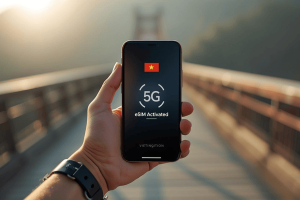
Staying connected while traveling through the bustling streets of Ho Chi Minh City or the serene rice terraces of Sapa is no longer just a luxury—it’s a necessity. As we move through 2026, the traditional hassle of hunting for a physical SIM card at the airport is quickly becoming a thing of the past.
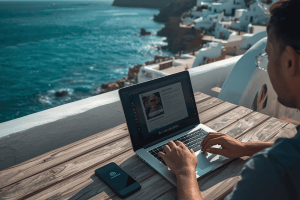
The dream of the digital nomad—sipping a latte in a Lisbon café one week and hopping on a video call from a beach in Bali the next—is no longer a distant fantasy. However, the backbone of this lifestyle isn’t just a laptop and a passport; it is a reliable, high-speed internet connection.
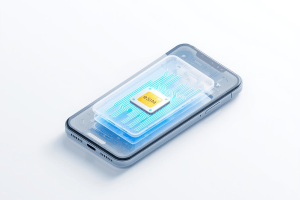
Traveling in 2026 is all about seamless experiences. Whether you are navigating the neon-lit streets of Tokyo, attending a business summit in Berlin, or lounging on a beach in Bali, staying connected is no longer a luxury—it’s a necessity.
Stepping off a plane at Schiphol Airport and immediately feeling the cool breeze of the North Sea is an exhilarating start to any Dutch adventure. But that excitement can quickly turn to frustration if you’re met with “No Service” or hit with a notification about exorbitant roaming charges.
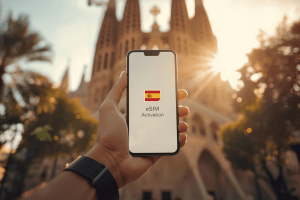
Are you planning to wander through the Gothic Quarter of Barcelona, surf the Atlantic swells in San Sebastián, or settle into a sunny “workation” in Valencia this year? In 2026, staying connected in Spain has reached a new gold standard.
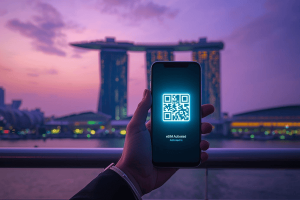
Ready for your upcoming adventure to Singapore, the Lion City? Land at Changi Airport, one of the world’s finest airports, and instantly have high-speed data at your fingertips. No long queues for a physical SIM card, no fumbling with tiny plastic pieces, and absolutely no overpriced roaming charges from your home carrier.
In the fast-paced world of 2026 travel, the “SIM card shuffle” is officially a thing of the past. Whether you are trekking through the Andes, navigating the neon-lit streets of Tokyo, or hopping between European capitals, staying connected is no longer a luxury—it is a safety requirement and a logistical necessity.
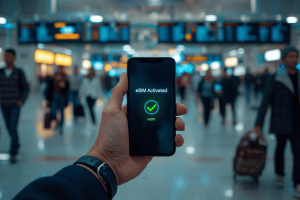
Traveling the world used to mean hunting for paperclips to pop open SIM trays or standing in long airport queues to buy overpriced local plastic cards. But in 2026, the way we stay connected has undergone a digital revolution.
Europe. The very name conjures images of ancient cobblestone streets, majestic mountain ranges, sun-drenched coastlines, and vibrant cultural tapestries. For the intrepid backpacker, it’s a continent of endless possibilities, each journey promising new discoveries and unforgettable memories.

Planning a trip to the vibrant capital of Catalonia? Whether you’re dreaming of the intricate spires of La Sagrada Família, the bustling energy of Las Ramblas, or the sun-drenched beaches of Barceloneta, one thing is certain: you need a reliable way to stay connected.

New Zealand is a land of dramatic landscapes, from the towering peaks of the Southern Alps to the geothermal wonders of Rotorua. Whether you are planning to hike the Milford Track, explore the film sets of Hobbiton, or surf the breaks in Raglan, staying connected is no longer a luxury—it is a necessity.
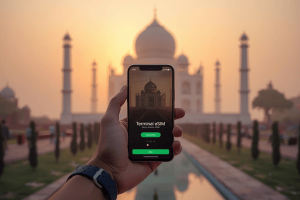
Planning a journey to India is an exercise in sensory overload—from the bustling spice markets of Old Delhi to the serene backwaters of Kerala. But in 2026, the one thing you can’t afford to leave to chance is your connectivity.